
Everyone wants skin that looks clear, even, and naturally bright, yet few people know where to begin when dull tone, dark spots, and uneven pigmentation start to show. Skincare shelves overflow with promises, but lasting improvement usually begins with professional guidance rather than guesswork. Many people searching for Glutathione in Islamabad are really looking for a safe, honest starting point, and that starting point is a proper consultation. Knowing what happens during that first visit, and what the treatment can and cannot do, helps you make a confident and informed decision.
What Glutathione Is and Why It Matters for Skin?
Glutathione is a natural antioxidant made by the body from three amino acids: cysteine, glycine, and glutamic acid. It protects cells from oxidative stress, supports the immune system, and helps the liver remove toxins. In skin care, it has drawn attention because it influences melanin production, the pigment responsible for skin color. By affecting the pathway that produces darker melanin, it may help create a brighter and more even complexion over time.Natural glutathione levels tend to decline with age, and factors such as stress, pollution, poor sleep, smoking, and an unbalanced diet can reduce them further. This is one reason many people explore supplementation or clinic-based treatment when they notice their skin losing its glow.
Why a Consultation Comes First?
A consultation is the most important step in any glutathione journey. Skin tone is influenced by genetics, sun exposure, hormones, medications, and underlying health conditions, so no single approach suits everyone. Starting treatment without assessment can lead to disappointment, wasted money, or avoidable side effects.During the consultation, a qualified professional evaluates your skin type, concerns, and goals, then explains whether glutathione is appropriate for you. An honest practitioner will also tell you when another treatment would serve you better.
What Happens During the Consultation?
The visit usually begins with a conversation about your medical history, including allergies, current medications, chronic conditions, pregnancy or breastfeeding status, and previous skin treatments. This information determines whether treatment is safe. People with asthma, kidney or liver conditions, or known sensitivities may need extra caution or alternative options.Next, the practitioner examines your skin, looking at tone, texture, pigmentation patterns, sun damage, acne marks, and hydration levels. You will discuss what you hope to achieve, whether that is overall brightness, fading of dark spots, or improved clarity. Realistic timelines, costs, possible side effects, and aftercare are explained before any decision is made.
Forms of Glutathione Treatment
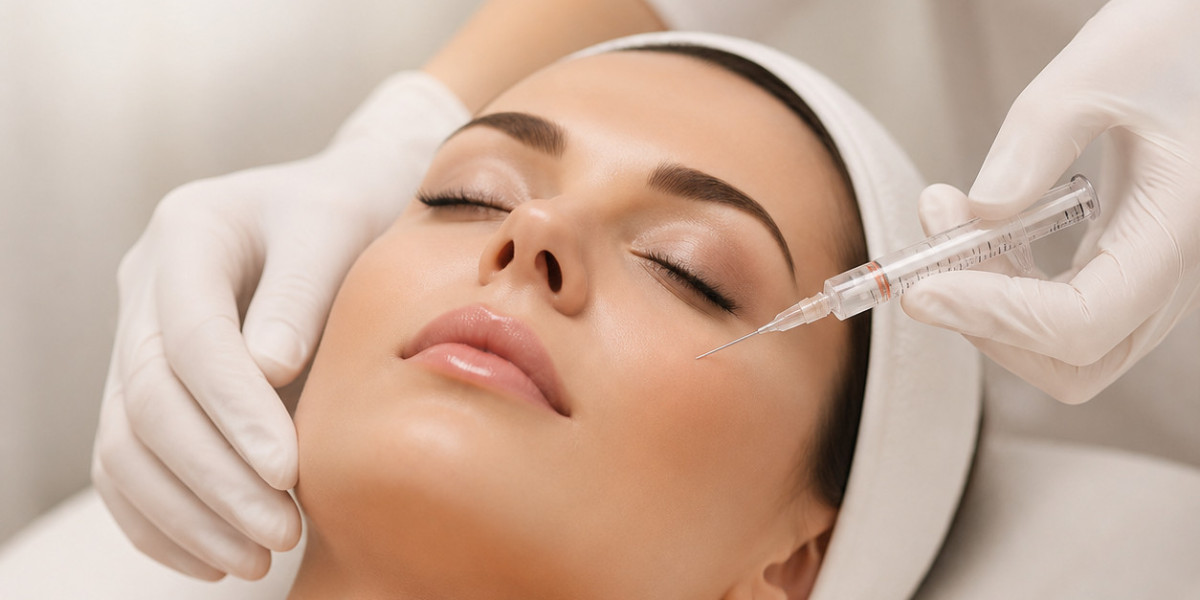
Glutathione is available in several forms, and the consultation helps determine which suits you. Oral supplements, including capsules, tablets, and dissolvable forms, are the most convenient, though absorption can be limited. Topical products such as creams and serums may help with surface concerns but typically produce subtler results. Intravenous administration delivers the antioxidant directly into the bloodstream under medical supervision and is chosen by some people seeking faster absorption.Each form carries different benefits, costs, and safety considerations. Treatment should only be administered by trained medical professionals using authentic, properly stored products.
Potential Benefits
Patients commonly seek glutathione for a brighter, more even skin tone and reduced appearance of dark spots and dullness. Its antioxidant action may support a healthier-looking complexion by countering damage from environmental stressors. Some people also notice improved overall skin radiance, along with general wellness benefits linked to antioxidant support.Results vary considerably from person to person. Genetics, lifestyle, sun protection, and consistency of treatment all influence the outcome, so promises of dramatic transformation should be treated with suspicion.
Who May Be a Suitable Candidate?
Generally healthy adults with concerns such as dullness, uneven tone, or mild pigmentation may be suitable candidates. Those who are committed to a complete skincare routine and sun protection tend to see better results.Treatment may not be suitable for pregnant or breastfeeding women, people with certain medical conditions, or those with known allergies to the product. Anyone with unexplained skin changes, such as a mole that is changing shape or color, should have it examined by a doctor first, since pigmentation concerns can occasionally signal something more serious.
Limitations and Realistic Expectations
Glutathione is not a miracle solution. It cannot permanently change your natural skin color, and results may fade if treatment stops or if you spend long periods in strong sun without protection. Deep pigmentation conditions such as melasma often require a combination of therapies, including prescription topicals, chemical peels, or laser treatments.Improvement is usually gradual, with visible changes appearing over weeks to months. Patience andconsistency are essential, and a good practitioner will set expectations honestly from the beginning.
Possible Risks and Side Effects
Many people tolerate glutathione well, but side effects can occur. Mild reactions include bloating, stomach discomfort, or skin rash. Allergic reactions are possible, and injections carry risks such as irritation at the site or infection if not performed hygienically. Long-term high-dose use has raised questions among health authorities, and some regulators have cautioned against unsupervised intravenous use.For these reasons, treatment should always follow a medical assessment, use genuine products, and be monitored by a qualified professional. Counterfeit or poorly stored products are a real danger, so never accept unlabeled vials or treatments from unverified sellers.
Supporting Your Results at Home
Professional treatment works best when supported by good daily habits. Sunscreen is the single most important step, since ultraviolet exposure stimulates melanin and can undo progress. Choose a broad-spectrum product and reapply when outdoors.Eat a balanced diet rich in fruits, vegetables, and protein, since foods such as spinach, avocado, garlic, and cruciferous vegetables support natural antioxidant levels. Stay hydrated, sleep well, avoid smoking, and manage stress. A gentle cleanser, moisturizer, and any prescribed products complete a routine that supports healthy skin.
Alternatives and Complementary Treatments
Other options can address pigmentation and dullness. Vitamin C serums, niacinamide, and retinoids are popular topical ingredients with good evidence for improving tone and texture. Chemical peels, microneedling, and laser therapy can target specific marks and uneven pigmentation. Hydrating facials and skin boosters improve glow by restoring moisture.A practitioner may recommend combining approaches, since layered care often outperforms a single treatment. The consultation is the best place to build a plan that fits your skin and budget.
Questions to Ask During Your Consultation
Come prepared with questions. Ask who will perform the treatment and what their qualifications are, which form of glutathione is recommended and why, and where the product comes from. Ask about expected timelines, possible side effects, total cost, how many sessions are needed, and what happens if you stop. Clear, patient answers are a sign of a trustworthy clinic.
Choosing the Right Clinic
Look for licensed medical professionals, clean and professional facilities, and transparent communication. Be cautious of clinics promising guaranteed whitening, offering unusually cheap packages, or skipping the medical assessment. Quality care takes time, and a clinic that prioritizes your health over quick sales will explain both the benefits and the limits of treatment.
Conclusion
A glutathione consultation is the safest and smartest first step toward brighter, healthier-looking skin. It allows a qualified professional to understand your skin, review your health, recommend the right form of treatment, and set realistic expectations. While glutathione may help improve tone and radiance, it works best alongside sun protection, good nutrition, and a consistent skincare routine, and it is not suitable for everyone. Choose a reputable clinic, insist on authentic products, and ask every question that comes to mind. With honest guidance and patience, you can pursue a clearer, more radiant complexion with confidence and peace of mind.
Read More :
https://doc.clickup.com/90182593634/d/h/2kzmub32-998/5ccf4b09922657f