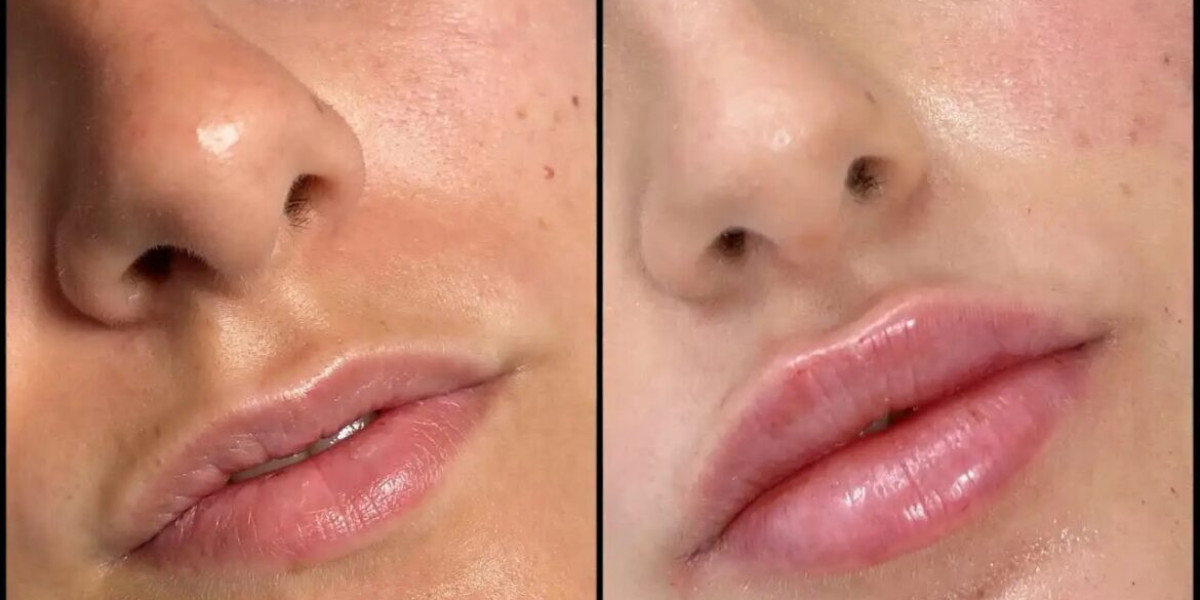
A droopy nose can influence the overall appearance of the face, particularly when the nasal tip points downward or appears to move further down when smiling. Although this feature is completely natural for many people, some may prefer a more lifted nasal tip that creates a balanced and harmonious facial profile. Nose reshaping surgery is one option that can help address these concerns while maintaining a natural-looking appearance.
For individuals exploring Nose Reshaping Surgery in Muscat, understanding the procedure, its potential benefits, recovery process, and associated risks is an important first step. The right approach depends on the individual's nasal anatomy, skin thickness, facial proportions, breathing function, and personal goals. A carefully planned procedure aims to improve the appearance of the nose without compromising its natural structure or function.
This guide explains what causes a droopy nose, how nose reshaping surgery may help, what patients can expect during recovery, and which factors deserve consideration before making a decision.
1. What Is a Droopy Nose and What Causes It?
A droopy nose, sometimes described as a downward-pointing nasal tip, occurs when the tip of the nose appears to angle toward the upper lip rather than maintaining a more balanced position. The degree of drooping varies from person to person and may be noticeable at rest or primarily during facial expressions.
Several factors can contribute to this appearance. Genetics often play a significant role, as the shape and strength of the nasal cartilage influence the position of the tip. Some individuals naturally have weaker cartilage support or a nasal structure that creates a downward-pointing profile.
Ageing is another common factor. Over time, changes in the skin, connective tissues, and cartilage support may cause the nasal tip to descend gradually. This can make the nose appear longer or more prominent than it did earlier in life.
Facial muscle movement can also affect the appearance of the nose. In some individuals, the muscles that pull the upper lip downward during smiling can make the nasal tip appear lower. Previous nasal injuries or surgery may contribute to changes in nasal shape as well.
A droopy nasal tip does not automatically indicate a medical problem. However, when the underlying structure affects airflow, breathing difficulties may occur. A professional assessment can help determine whether the concern is primarily cosmetic, functional, or a combination of both.
2. How Nose Reshaping Surgery Can Improve a Droopy Nose
Nose reshaping surgery, medically known as rhinoplasty, is a procedure designed to modify the shape, size, or proportions of the nose. When the main concern is a droopy tip, treatment may focus on improving tip support and adjusting its position to create a more balanced profile.
The precise surgical approach depends on the reason for the drooping. In some cases, the surgeon may reshape or reposition specific cartilage structures. In others, additional support may be needed to help maintain the desired tip position. The goal is not simply to make the nose point upward but to achieve a result that suits the individual's facial proportions.
Nose Reshaping Surgery in Muscat may be considered by people who want to address a downward-pointing nasal tip, improve their side profile, or create better harmony between the nose and other facial features. However, the suitability of the procedure depends on an individual evaluation rather than appearance alone.
A natural-looking result is particularly important. Excessive rotation of the nasal tip can create an artificial appearance or affect nasal function. A well-planned procedure considers the angle between the nose and upper lip, the projection of the tip, the strength of the cartilage, and the relationship between the nose and chin.
It is also important to understand that rhinoplasty cannot guarantee a specific appearance. Healing patterns, existing anatomy, and skin characteristics all influence the final outcome.
3. Different Surgical Approaches for a Droopy Nasal Tip
Not every droopy nose requires the same technique. The appropriate method depends on the complexity of the nasal structure, the amount of correction needed, and whether the procedure involves cosmetic changes, functional improvements, or both.
Tip-focused rhinoplasty
When drooping is mainly related to the nasal tip, a tip-focused approach may be considered. This technique concentrates on the cartilage and supporting structures responsible for the tip's position and shape. The aim is to improve definition and support without making unnecessary changes to the bridge of the nose.
This approach may be suitable for selected individuals whose nasal bridge already has a shape they are comfortable with. Nevertheless, the surgeon must assess the entire nose to determine whether isolated tip correction will produce a balanced result.
Open and closed rhinoplasty
Open rhinoplasty involves a small incision across the tissue between the nostrils, allowing greater visibility of the underlying nasal structures. It may be useful when more detailed structural adjustments are required.
Closed rhinoplasty involves incisions placed inside the nostrils. It can be appropriate for selected cases in which the planned changes can be performed through this access. The choice between open and closed techniques depends on the anatomy and complexity of the procedure.
Neither approach is automatically better for every patient. The most appropriate option is the one that allows the necessary correction while protecting nasal support and function.
Structural support and cartilage adjustment
In some cases, reshaping the cartilage alone may not provide sufficient long-term support. The surgical plan may therefore involve strengthening or repositioning specific structures. Cartilage grafts may be considered when additional support is necessary, although they are not required in every procedure.
A detailed assessment helps establish which technique is most likely to meet the patient's goals while minimising unnecessary changes.
4. Who May Be a Suitable Candidate for Nose Reshaping Surgery in Muscat?
People considering nose reshaping surgery should have realistic expectations and a clear understanding of what the procedure can achieve. A consultation helps determine whether surgery is appropriate and whether the desired changes are compatible with the individual's nasal anatomy.
Potential candidates may include adults who are concerned about a downward-pointing nasal tip, feel that their nose appears unbalanced in profile, or want to address changes associated with ageing or previous injury. Individuals with breathing concerns may also benefit from an assessment to determine whether a functional procedure is needed.
Good general health is important because surgery and recovery place demands on the body. Certain medical conditions, smoking, nicotine use, and medications that affect bleeding or healing may increase risks. These factors should be discussed openly during the consultation.
Emotional readiness is equally important. Rhinoplasty can change facial appearance, but it cannot guarantee improved relationships, confidence, or satisfaction in every area of life. Patients should choose surgery for personal reasons rather than pressure from others.
Before proceeding with Nose Reshaping Surgery in Muscat, a prospective patient should ask about the surgeon's qualifications, experience with nasal tip correction, expected results, possible complications, and arrangements for follow-up care. Reviewing appropriate before-and-after photographs can help establish a realistic understanding of the surgeon's approach, although individual results will vary.
A consultation should also include an assessment of breathing, nasal structure, skin thickness, and any previous procedures. This information helps create a treatment plan based on safety and individual needs.
5. Recovery, Results, and Potential Risks
Recovery following rhinoplasty varies depending on the surgical technique, the extent of correction, and the individual's healing response. Understanding the general recovery timeline can help patients prepare for the process.
The first week
Swelling, bruising around the eyes, nasal congestion, and mild discomfort may occur during the initial recovery period. A splint may be placed on the nose to provide support while the tissues begin to heal. Patients should follow the postoperative instructions carefully and avoid pressure on the nose.
Rest is important during this stage. Strenuous activity, heavy lifting, and activities that could cause an accidental impact to the face should be avoided as directed by the surgical team.
The following weeks
Bruising and noticeable swelling generally begin to improve over the first few weeks. Many people can gradually return to routine activities, depending on their recovery and the advice they receive. However, the nose may remain swollen, especially around the tip.
Patients should avoid contact sports and other activities that could injure the nose until they have been cleared to resume them. Follow-up appointments allow the surgical team to monitor healing and identify any concerns.
Long-term results
Although early changes may be visible within weeks, the final shape of the nose takes much longer to develop. Swelling at the nasal tip can persist for several months, and subtle changes may continue for a year or longer.
Patience is essential because the nose does not reach its final appearance immediately after surgery. Comparing the nose too frequently during the early recovery period may create unnecessary concern about temporary swelling.
Potential risks and complications
Like any operation, rhinoplasty carries risks. These may include bleeding, infection, scarring, persistent swelling, changes in sensation, asymmetry, dissatisfaction with the appearance, or difficulty breathing. Some patients may require revision surgery if the result does not meet their needs or complications develop.
Choosing an appropriately qualified surgeon, following preoperative and postoperative instructions, and attending follow-up appointments can help reduce avoidable risks. However, no surgical procedure is completely risk-free.
Patients should seek prompt medical advice if they experience heavy bleeding, rapidly worsening pain or swelling, fever, or significant breathing difficulties after surgery.
6. How to Prepare for Surgery and Make an Informed Decision
Preparation plays an important role in both safety and satisfaction. Before scheduling Nose Reshaping Surgery in Muscat, patients should take time to understand the procedure and consider whether the expected benefits justify the potential risks.
The first step is a comprehensive consultation. Patients should explain what bothers them about their nasal appearance and identify the changes they hope to achieve. Clear communication helps establish realistic goals and reduces the likelihood of misunderstandings.
It is useful to ask whether the drooping is caused by cartilage structure, skin characteristics, muscle movement, ageing, or a combination of factors. The cause can influence the treatment approach and the durability of the result.
Patients should also discuss whether the proposed procedure could affect nasal airflow. A cosmetic improvement should not come at the expense of breathing function. When obstruction is present, the assessment may need to include a functional evaluation.
Medical history is another important consideration. The surgeon should know about existing health conditions, allergies, previous nasal surgery, medications, supplements, and nicotine use. Medication changes should only be made under appropriate medical guidance.
Practical arrangements can make recovery more manageable. Patients may need time away from work or study, assistance during the initial recovery period, and transport home after surgery. They should also understand the follow-up schedule and know whom to contact if concerns arise.
Cost may be another consideration, but it should not be the only factor in choosing a provider. Rather than focusing solely on the lowest available fee, patients should clarify what the overall treatment plan includes, such as surgical care, anaesthesia, follow-up appointments, and management of potential complications. No single approach or outcome is suitable for everyone.
Ultimately, the decision should be based on reliable medical advice, realistic expectations, personal preferences, and a clear understanding of the recovery process.
Frequently Asked Questions
1. Can nose reshaping surgery correct a droopy nose?
Yes, rhinoplasty can often improve a downward-pointing nasal tip by adjusting the cartilage, strengthening supporting structures, or modifying the tip's position. The appropriate technique depends on the underlying cause of the drooping and the individual's nasal anatomy. A consultation is necessary to determine whether surgery can achieve the desired improvement.
2. Is nose reshaping surgery painful?
The procedure is generally performed under anaesthesia, so patients should not feel the surgical process itself. Some discomfort, pressure, congestion, and swelling may occur during recovery. The level of discomfort varies, and the surgical team can provide appropriate instructions for managing postoperative symptoms.
3. How long does recovery from rhinoplasty take?
Many patients experience the most noticeable swelling and bruising during the first one to two weeks. Returning to normal activities depends on the extent of surgery and the individual's healing progress. Subtle swelling, particularly around the nasal tip, can continue for months, and final results may take a year or longer to become apparent.
4. Will nose reshaping surgery affect breathing?
Rhinoplasty can affect breathing, either positively or negatively, depending on the surgical changes and the patient's existing nasal structure. When breathing problems are present, functional considerations should be included in the treatment plan. Discussing nasal airflow before surgery helps ensure that cosmetic goals and breathing function are both considered.
5. Are the results of nose reshaping surgery permanent?
Rhinoplasty generally produces long-lasting structural changes. However, the nose continues to age naturally, and tissues may change over time. The final result also depends on healing, cartilage support, skin characteristics, and the surgical technique. Although long-term improvement is often possible, an identical appearance throughout life cannot be guaranteed.
6. How can someone choose a suitable provider for Nose Reshaping Surgery in Muscat?
A prospective patient should verify the surgeon's recognised qualifications, relevant surgical experience, and familiarity with nasal tip correction. It is also important to discuss potential complications, recovery requirements, realistic outcomes, and follow-up arrangements. Clear communication and a thorough assessment are essential when making an informed decision.
Read More About Nose Reshaping Surgery: https://www.panchit.com/blogs/121649/Nose-Reshaping-Surgery-for-a-Long-Nose-What-Are-the