
Water damage can show up with no warning. A pipe bursts, a dishwasher leaks, a toilet overflows, or a storm pushes water through the roof, and suddenly floors, walls, and furniture are soaked. What you do in the first few hours makes a big difference. Emergency water damage cleanup is about getting the water out, drying everything properly, and fixing what was damaged.
Common causes
Burst pipes and plumbing leaks are the usual suspects, especially in cold weather or in older homes where the pipes are wearing out. Washing machines, dishwashers, and water heaters can also fail and release a lot of water at once.
Storms cause their own problems. They can leak through the roof, flood a basement, or push water in around doors and windows. Sewer backups and overflowing toilets are a bit different, since that water can carry bacteria. Knowing where the water came from tells you how to clean it up.
Why you can't wait
Water spreads faster than you'd think. It soaks into carpet, wood floors, drywall, insulation, and furniture. You might mop up everything you can see and still have moisture sitting inside the walls or under the floor. If that stays wet, you end up with bad smells, warped materials, and mold.
A restoration crew can check the affected areas, pull out standing water, and set up drying equipment. Getting them in early also means less repair work later, and a better chance of saving your belongings.
What to do when it happens
Safety comes first. If water is near outlets, appliances, or the electrical panel, stay away from it. Don't walk into standing water if there's any chance of live electricity. Call an electrician or emergency services if you need to.
If you can do it safely, stop the source. When a pipe breaks, that often means turning off the main water supply. Then move anything that isn't wet away from the damp area and take photos of the damage for your insurance claim.
Don't plug in or use electrical equipment in the wet area until someone has checked the wiring. If the water might contain sewage, keep kids and pets out and leave the cleanup to trained people.
Getting the water out
Pulling out standing water is one of the first jobs. Water left on the floor soaks into carpet, baseboards, and cabinets, and the longer it sits, the worse it gets.
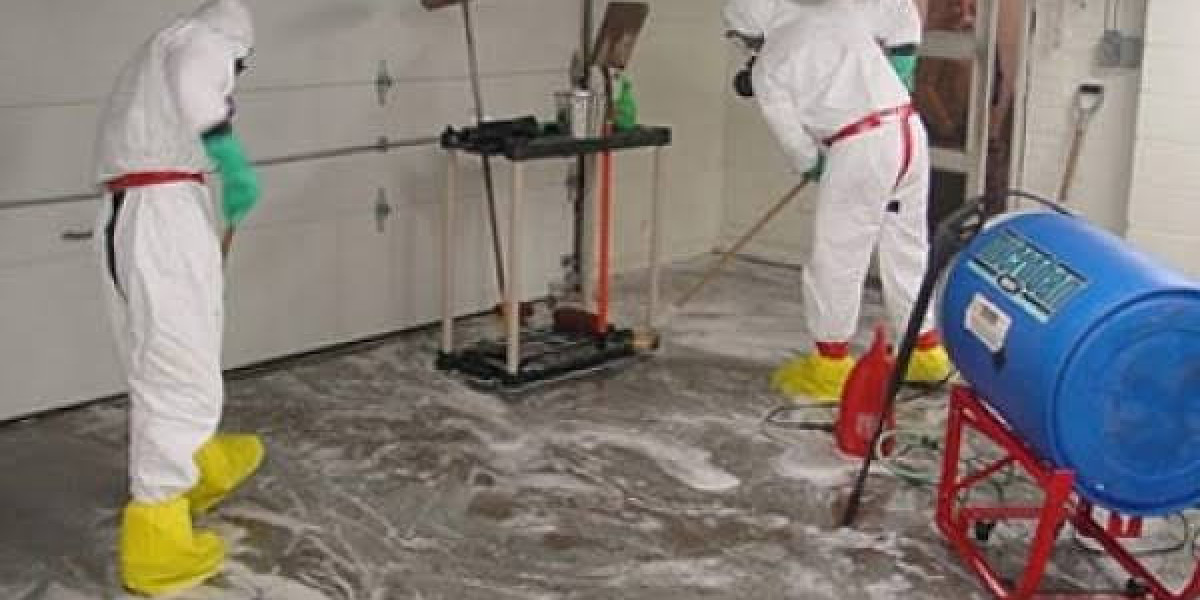
Depending on how much there is, crews use pumps, wet vacuums, or commercial extractors. They also look for places the water went that you can't see, like under flooring, behind cabinets, and inside walls. Looking around the room isn't enough to find all of it.
Drying and dehumidifying
Once the standing water is gone, everything has to dry out fully. Air movers push air across wet surfaces and dehumidifiers pull moisture out of the room.
Crews use moisture meters on walls, floors, and other materials to see where it's still damp and whether it's drying the way it should. Opening windows can help in some weather, but if it's humid outside it can slow things down. What works best depends on the weather, the humidity indoors, the materials, and how much water got in.
Stopping mold before it starts
Mold likes damp conditions, and soaked drywall, carpet, insulation, and wood give it plenty to work with if drying drags on. Fast cleanup lowers the risk by getting the water out and dealing with moisture you can't see.
Drying the surface isn't always enough, though. If a material is still wet on the inside, it may need a closer look or may have to be removed. And if mold is already growing, what you do next depends on how much there is and where it is. A large patch usually needs a professional assessment.
Cleaning and sanitizing
Not all water is the same. Clean water from a supply line is a different situation from water that came out of a drain, a sewer, or a flood.
Surfaces and belongings need to be cleaned in a way that matches the type of water and the material. Anything contaminated that can't be cleaned safely may have to be thrown out. A professional crew can tell you which areas need cleaning, which need disinfecting, and which need to be removed, and this matters most after a sewage backup or a flood.
Repairs
When the property is dry and clean, repairs can start. Depending on the damage, that might mean new drywall, baseboards, flooring, insulation, or a fresh coat of paint.
Wait until everything is dry before you start. Covering damp materials traps moisture and can cause more damage or mold later. How long repairs take and what they cost depends on where the water came from, how big the affected area is, what materials were hit, and how soon cleanup started.
Picking a restoration company
Look for a company that has done emergency water removal, structural drying, cleaning, and repairs before. Ask how they inspect, what equipment they use, how long the job should take, and what's included in the quote.
A good company will explain the work, mention any safety concerns, and tell you what can be saved and what probably can't. If you're filing an insurance claim, call your insurer soon. Keep your photos, receipts, and any records of the damage and the work. What's covered depends on your policy and what caused the water damage.
Avoiding the next one
A little maintenance helps. Check exposed pipes for leaks, look at the hoses on your appliances, and keep up with the water heater and plumbing connections. Clean your gutters and downspouts so rain drains away from the house.
Check the roof for damage and fix plumbing problems as soon as you notice them. If you have a basement, a sump pump or better drainage might be worth considering. Know where your main water shutoff is, because that can save you a lot of time when a pipe goes. Leak detectors near appliances and plumbing can also warn you early.
Getting help
Water damage disrupts your life and can lead to repair bills you didn't plan for. Acting fast, removing the water safely, drying everything thoroughly, and cleaning properly all help keep the damage down.
Professional emergency water damage cleanup covers standing water, hidden moisture, damaged materials, and possible contamination. If your home or business has had a leak, flood, or plumbing failure, book an assessment as soon as it's safe. The sooner it's handled, the easier the recovery tends to be