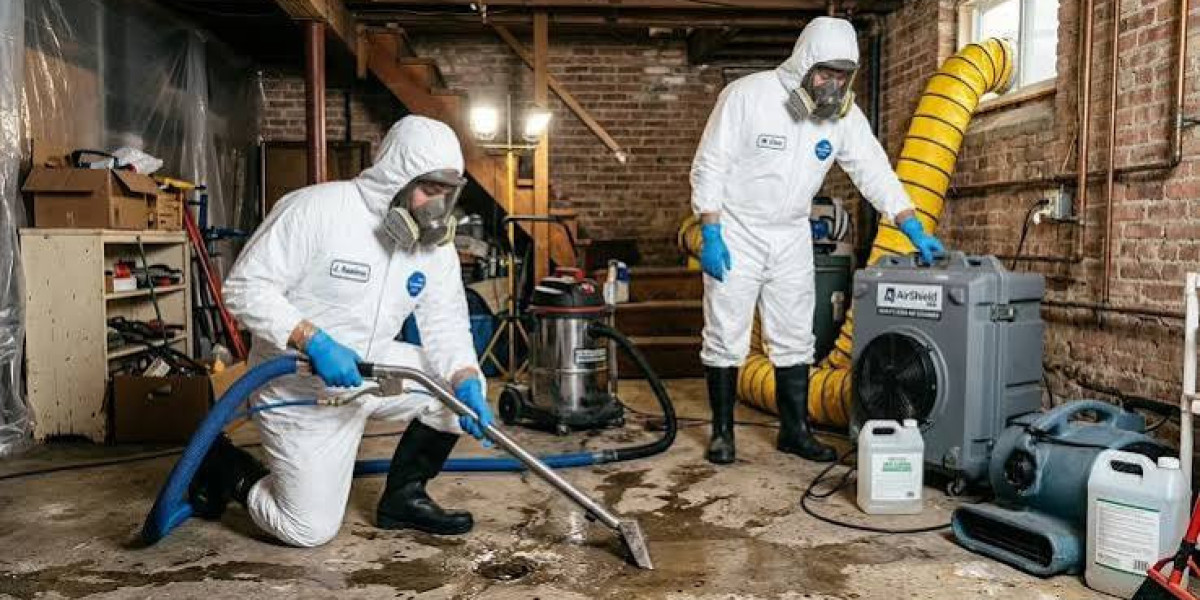

A sewage backup is one of the most unpleasant things that can happen to a property. A drain gurgles, a toilet starts to rise, and then brown water shows up on the floor. The smell is bad, the water is contaminated, and it spreads faster than most people expect.
This is where sewage cleanup experts come in. They remove the water, clean what can be saved, throw out what can't, and dry the space so it doesn't grow mold. Knowing what they do can help you make better decisions while things are still chaotic.
What These Crews Handle
Most of the work comes down to a few jobs: pulling out the contaminated water, cleaning the affected surfaces, getting rid of materials that can't be saved, drying the structure, and handling the smell.
The details depend on how much sewage got in, what it soaked into, and how long it sat there. A quick overflow on tile is a very different job from a backup that ran under the flooring for two days.
What Usually Causes These Backups
Most backups have a handful of common causes:
A clogged main line
Grease, wipes, paper products, and tree roots build up in the pipes. Once wastewater can't get through, it backs up into the nearest drain or toilet.
Heavy rain
A big storm can overwhelm the city drainage system. When that happens, water can push back up through floor drains into basements and ground-level rooms.
A cracked sewer pipe
Old pipes corrode, shift, or collapse, and the leak can seep into walls, floors, and the ground around the house.
A toilet or drain overflow
A clogged toilet or a broken fixture can send water across the bathroom and into nearby rooms. Even a small spill can soak into rugs and drywall.
Why You Shouldn't Try This Alone
Sewage isn't like clean water from a broken supply line. It can carry bacteria, viruses, and parasites, and touching it or breathing in contaminated particles can make people sick. Kids and pets are at the most risk because they touch the floor and put things in their mouths.
Trained crews wear protective gear and use containment methods so contamination doesn't spread into clean rooms. They also know which materials can be cleaned and which have to go. Carpet padding, insulation, and drywall that soaked up sewage often need to be removed, and that's hard to judge by looking at the surface.
Household cleaners aren't designed for this. They can leave hidden contamination behind a fresh coat of paint or under new flooring, and that tends to cause problems later.
How the Cleanup Typically Goes
Assessment
The crew finds the source, figures out what kind of water they're dealing with, and checks how far it spread. They look at floors, walls, and furniture, and they check for moisture under the flooring or inside the walls.
Stopping the source
Cleanup can't start until the sewage stops coming in. A plumber may need to clear the blockage, repair a broken line, or fix a failed connection.
Pumping out the water
Standing sewage is removed with equipment made for contaminated water. Crews follow strict rules for hauling it away and disposing of it.
Removing what can't be saved
Porous materials usually go, since they hold onto contamination. Each item is looked at individually, so something usable doesn't get tossed just because it looks rough.
Cleaning and disinfecting
Once the space is empty, surfaces get scrubbed to remove dirt and organic residue. Disinfectant only works well after that, because leftover gunk can block it. Corners, floor joints, and the area behind fixtures are easy to miss, so a good crew checks those carefully.
Drying
Concrete, wood, and wall cavities can hold moisture long after the water is gone, and that moisture can feed mold. Dehumidifiers and air movers run until moisture readings show the materials are ready.
Repairs
New drywall, flooring, baseboards, paint, and fixtures go back in. The original cause also needs to be fixed, or the backup can happen again.
Before the Crew Arrives
A few steps can limit the damage while you wait:
- Keep people and pets out of the affected area.
- Avoid flushing or running water if it could make the backup worse.
- Don't wade into the mess to move things. If you can safely move clean items, do it without touching the sewage.
- Never mix cleaning chemicals, especially bleach with ammonia or acidic products. The fumes can be dangerous.
- Skip ordinary household fans in contaminated areas, since they can spread droplets and particles.
- Take photos from a safe spot and call your insurance company to ask what they need for documentation.
How to Pick a Good Crew
Look for a company with real experience handling sewage, the right protective equipment, and a clear process for cleaning, drying, and rebuilding. Before work begins, ask:
- Can you identify the source of the backup?
- Which materials do you expect to remove?
- Can you give me a written scope of work?
- How do you check moisture, and how do you document the drying?
- If a plumber is needed, do you coordinate with them?
The last question matters more than people think. Cleanup can remove the mess, but if the underlying problem stays, the backup will likely come back.
The Bottom Line
Sewage backups can damage a property, make the air unhealthy, and put people at risk if the cleanup is done wrong. Keep people away from the area, stop the source, and call a qualified restoration company. With safe water removal, proper cleaning, disinfection, thorough drying, and the right repairs, you can get your home or business back to normal.