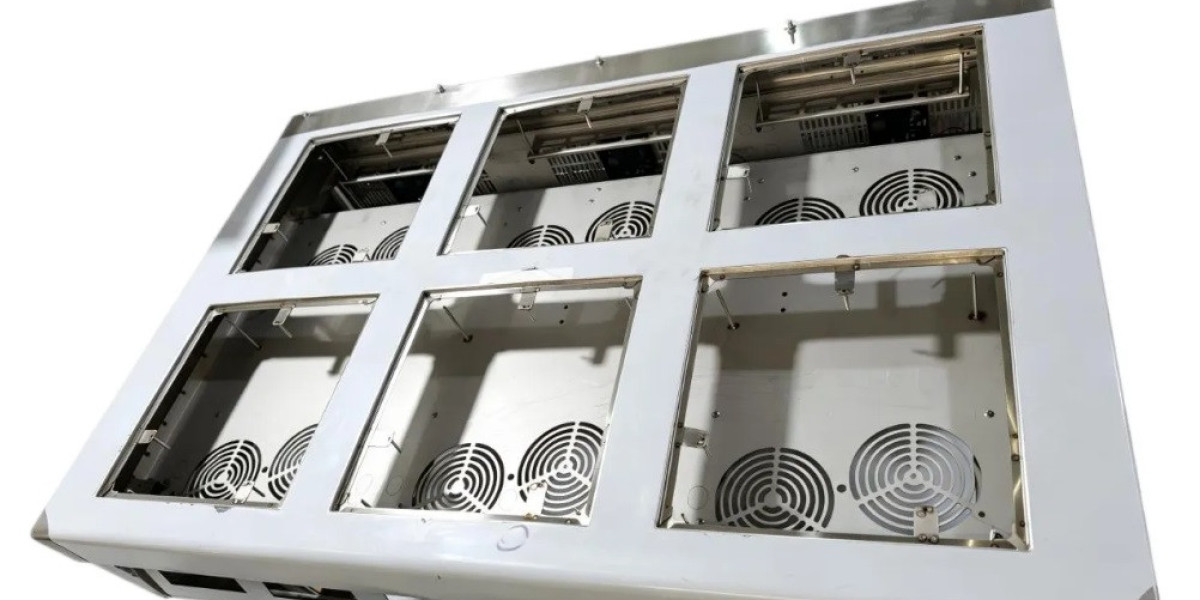

Custom metal stamping is a manufacturing process that uses specialized dies and stamping presses to shape flat metal sheets into specific parts. Depending on the design, the process can include punching, bending, forming, embossing, and blanking. It is widely used to produce metal components with consistent dimensions and repeatable quality.Get more news about Custom Metal Stamping Manufacturer,you can vist our website!
A custom metal stamping manufacturer works with customers to develop parts based on their drawings, material requirements, and production needs. Instead of relying on standard components, businesses can obtain metal parts designed for their own products and equipment.
This approach is useful when a project requires precise dimensions, special shapes, or large production volumes. It also allows manufacturers to adjust designs to improve performance and simplify assembly.
Why Choose a Custom Metal Stamping Manufacturer?
Finding the right manufacturing partner can influence product quality, production efficiency, and overall costs. An experienced supplier can provide more than stamping services by helping customers identify practical solutions during product development.
1. Parts Made to Your Specifications
Every application has different requirements. Some components need small holes and precise edges, while others require complex bends or carefully controlled dimensions.
A custom metal stamping manufacturer can produce parts according to technical drawings, samples, and performance requirements. This flexibility helps businesses create components that fit their products without unnecessary modifications during assembly.
2. Consistent Quality for Large Orders
Metal stamping is suitable for repeat production because the same tooling can produce large quantities of similar parts. Once the process has been properly developed, manufacturers can maintain consistent shapes and dimensions across production runs.
Quality control may include dimensional inspections, material verification, surface checks, and production testing. These steps help identify problems early and reduce the risk of defective components reaching customers.
3. Better Production Efficiency
For medium and high-volume orders, stamping can reduce the amount of manual work required for each component. Automated feeding systems and well-designed tooling can also improve production speed.
Although custom dies require an initial investment, the cost per part can decrease as production volume increases. This makes metal stamping an attractive option for companies planning long-term manufacturing programs.
Which Materials Can Be Used?
Material selection depends on the component's function, working environment, strength requirements, and budget.
Common materials include stainless steel, carbon steel, aluminum, copper, and brass. Stainless steel is often selected for its corrosion resistance, while aluminum offers a useful balance of low weight and formability. Copper and brass are frequently used in electrical components and conductive applications.
A reliable manufacturer should explain the advantages and limitations of different materials before production begins. The correct choice can improve durability, simplify processing, and prevent unnecessary costs.
Industries That Use Custom Metal Stamping
Custom stamped parts are found in many industries because they can be produced in a wide range of shapes and sizes.
- Automotive: Brackets, clips, connectors, and structural components.
- Electronics: Contact terminals, shielding parts, and metal housings.
- Electrical equipment: Conductive components, mounting plates, and connectors.
- Home appliances: Internal brackets, panels, and fastening components.
- Industrial machinery: Supports, covers, and precision metal fittings.
Each industry has its own standards, so manufacturers must understand the intended application before recommending materials, tooling, and inspection methods.
How to Select the Right Manufacturer
Price matters, but it should not be the only factor in your decision. A low quotation may not include tooling, secondary processing, surface finishing, or inspection costs.
Start by checking the supplier's experience with similar components. Ask about stamping capacity, tooling design, material sourcing, quality management, and typical lead times. It is also helpful to confirm whether the manufacturer provides additional services such as deburring, welding, plating, or assembly.
Before placing a large order, request samples or a trial production run. This allows your engineering team to verify dimensions, fit, finish, and performance under actual working conditions.
Clear communication is equally important. A dependable supplier should be able to discuss design changes, explain technical limitations, and provide realistic production schedules.