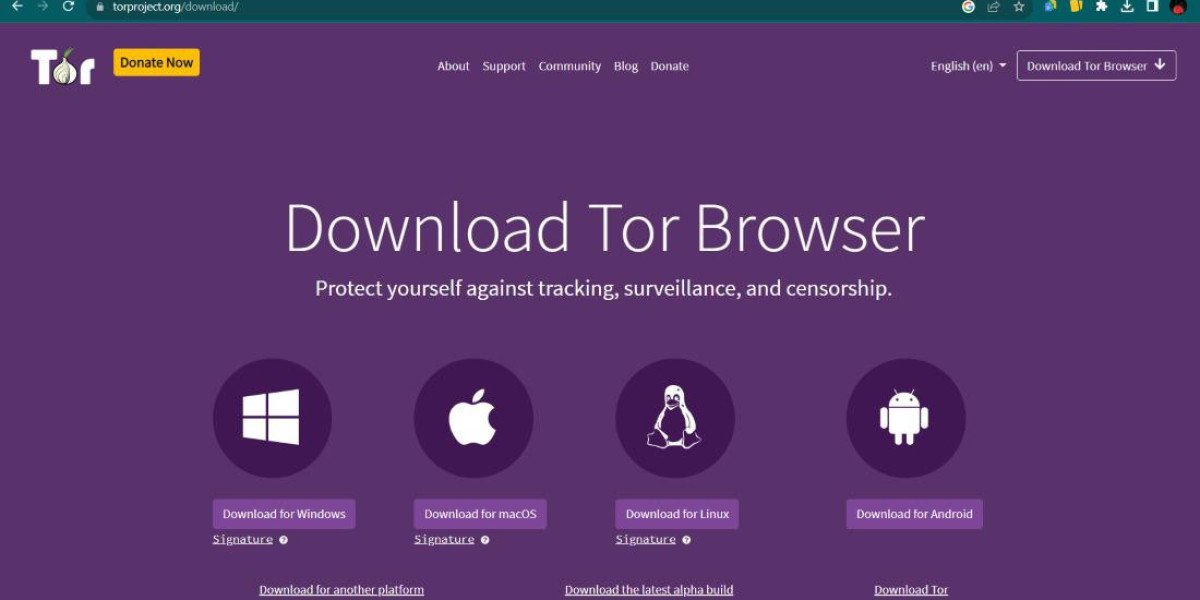

Did you know that most connection failures in privacy focused browsers happen because your computer's own security software thinks the tool is a threat? While firewalls are essential for protecting your data, they often block the specific type of encrypted traffic that anonymous networks use to function. Learning how to adjust these settings is the most effective way to ensure you can reach the private web without compromising your overall system safety.
You are likely looking for a way to make your browsing experience smoother. When you start the software, it tries to build a circuit through three different nodes located across the globe. If your internal network rules are too strict, they stop this process before it even begins - this guide helps you navigate those technical hurdles so you can browse freely and securely.
Understanding How Firewalls Interact with Tor
A firewall is a digital gatekeeper that monitors everything entering and leaving your device. Because the Tor Browser uses non standard ports to move data, your Windows Defender or macOS firewall might flag the activity as suspicious. It is important to remember that the browser is not a virus - it is simply a tool that communicates in a way that standard software does not.
When you initiate a session, the software sends out packets to find an entry guard. If your firewall is set to "Block All Outbound" the handshake fails immediately. You don't need to turn off your protection entirely. You just need to create an exception - this allows the specific application to talk to the internet while keeping everything else on your computer under lock and key.
Sometimes the issue is not on your computer but on your router. Some internet service providers include "Advanced Security" features that automatically drop connections to known relay addresses. If you find that your software stays on the connecting screen for multiple minutes, the network path is likely being throttled or cut off by an external filter.
Common Barriers to a Successful Connection
Navigating the dark web requires a clean path for data - Many users face frustration when they try to access a specific resource, like the Dread community hub, only to find the page won't load. The culprit is a local security suite that is over analyzing the encrypted packets - these suites sometimes try to "inspect" the traffic, which breaks the encryption chain and kills the connection.
The following items are the most frequent causes of interference
- Strict outbound rules on ports 80, 443 and 9001.
- Antivirus "Web Protection" modules that conflict with the browser's proxy.
- Parental control filters at the router level.
- Corporate network blocks in office environments.
If you are in a situation where standard connections are blocked, you might need to use specialized tools. Search engines like Ahmia for onion services can help you find content but they won't work if your initial connection to the network is unstable. Ensuring your firewall recognizes the browser as a trusted entity is always the first step in troubleshooting.
Configuring Network Permissions for Stability
To fix these issues, you must access your security software settings. Look for a section labeled "Application Rules" or "Program Permissions" Find the entry for the Tor Browser and ensure that both "Inbound" and "Outbound" traffic is set to "Allow" This is the most direct way to stop the software from fighting your operating system every time you want to go online.
If you prefer a more private way to find information, you might be used to tools like the DuckDuckGo privacy engine, which works in any browser. The Tor Browser is unique because it forces all your traffic through its own internal proxy. If your firewall blocks "localhost" or port 9150, the browser will be unable to talk to itself, rendering it useless even if your internet is working perfectly.
It is helpful to check your proxy settings within the browser itself if changes to the firewall don't help. Many people find that "Auto-detect" works best but in high security environments, you may need to manually specify that you are using a firewall to reach the internet - this setting is located under the "Connection" tab in the browser preferences.
Integrating Bridges for Restricted Networks
In some regions, simple firewall exceptions are not enough. Governments or ISPs might block the addresses of all known entry points to the network - this is where bridges come into play. Bridges are unlisted relays that make it much harder for a firewall to realize you are using an anonymity tool. They act as a secret tunnel through the digital wall.
Using updated bridge addresses is the most reliable way to bypass the sophisticated filters. When you configure a bridge, your traffic looks like regular HTTPS data or even random noise, which avoids the "pattern matching" that many modern firewalls use to identify and block private traffic.
This is how you can effectively use bridges
- Open the browser settings and go to "Connection"
- Select "Bridges" and choose "Request a Bridge"
- Solve the captcha to receive your unique addresses.
- Restart the browser to apply the new path.
By using these alternative paths, you ensure that even if your main "front door" is locked, you have a side entrance to the web - this is especially useful if you are trying to use older search tools like Torch for searching, which require a stable and consistent connection to the wider network to return any useful results.
Verifying Your Security & Privacy Settings
Once you have configured your firewall and established a connection, your job isn't quite done. You should verify that your setup is actually protecting you. Check that your IP address is different from your real one and that your traffic is successfully masked. There are many directories, like the OnionLinks main portal, that provide lists of sites you can use to test if your browser is functioning as intended.
Always be careful about the specific sites you visit - Even with a perfect firewall setup, some destinations are more trustworthy than others. As an example, before using new services, you might want to read a review of Desires or similar platforms to ensure they are legitimate. A firewall protects your connection but your own judgment protects your data once you arrive at a website.
Lastly, keep your software updated - Developers frequently release patches that improve how the browser handles firewall handshakes and network errors. If you use niche tools like Not Evil for finding links, you will find they work much better when your browser is running the latest stable version. Security is an ongoing process, not a one time setting.
FAQ
Why does my firewall block Tor?
Firewalls are designed to stop unusual network behavior - Because the browser connects to many different international IP addresses simultaneously and uses encryption that the firewall cannot "read" the security system often flags it as a potential threat to prevent data leaks.
Do I need to open specific ports?
In most cases, you do not need to manually open ports on your router. Ensuring that your computer allows the application to communicate over ports 80, 443 and 9001 is helpful. The browser also uses port 9150 for internal communication between the interface and the network process.
Will a firewall protect me if I visit a malicious site?
A firewall is a barrier for your network but it cannot stop you from voluntarily downloading a bad file or entering your password into a fake website. You must still use caution and verify the links you visit using trusted directories or community reviews.
Is it safe to disable my firewall for the browser?
You should never disable your entire firewall - Instead, create an "exception" or "allowance" specifically for the browser's executable file - this allows the browser to work while your firewall continues to protect the rest of your operating system from outside attacks.
What if my bridge is not working?
Bridges can sometimes go offline or get blocked - If your connection fails while using one, you should request a new set of bridge addresses from the settings menu. Using "Snowflake" or "obfs4" settings are usually the most effective options for modern firewalls.