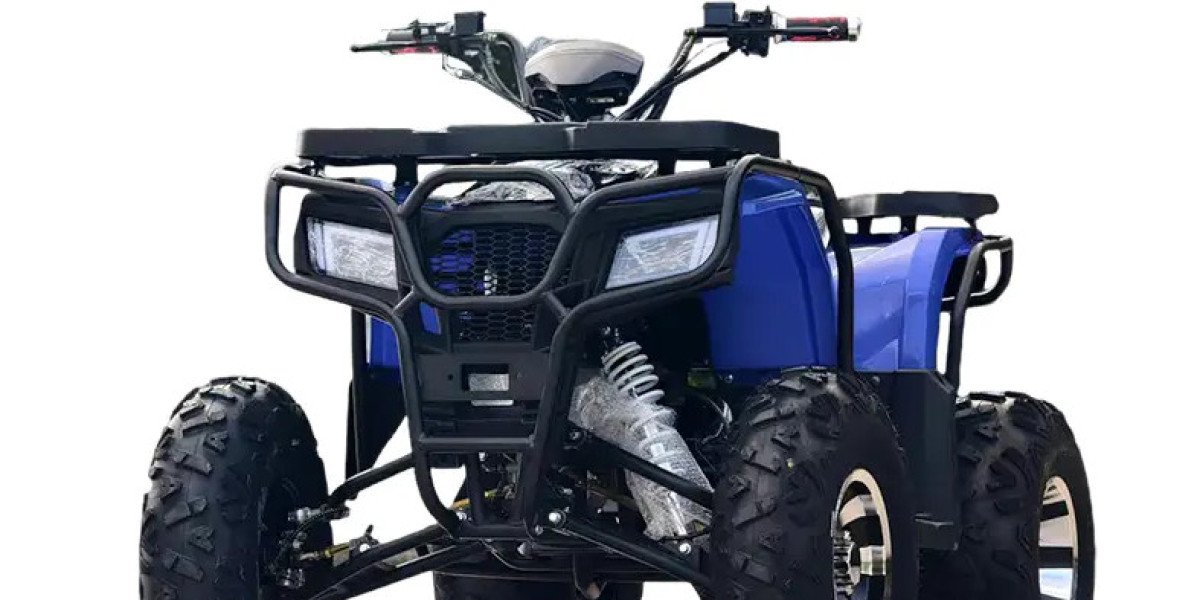

There's a particular kind of joy that comes from riding a beach buggy motorcycle across an open stretch of sand with the wind doing its best to push you sideways. It's chaotic, exhilarating, and completely unlike riding on pavement — and once you've experienced it, ordinary road riding starts to feel a little tame by comparison.
A beach buggy motorcycle is purpose-built for off-road and coastal terrain. Unlike standard street motorcycles optimized for asphalt grip and fuel economy, these machines are designed around the demands of loose, shifting surfaces. Wide, knobby tires with aggressive tread patterns bite into sand and soft ground rather than skating across the surface. The suspension travel is generous, absorbing the uneven terrain that would send a road bike bouncing unpredictably. The frame geometry sits the rider in a position that encourages weight shifting — a skill that becomes essential when sand starts pulling the front wheel in unexpected directions.
Engine configurations vary across beach buggy motorcycles. Smaller displacement engines in the 125cc to 250cc range suit recreational beach riding and are manageable for riders building their off-road skills. Larger engines deliver more torque, which helps power through deep sand and climb soft dunes without bogging down mid-slope. Four-stroke engines offer smoother, more controllable power delivery, which suits the unpredictable traction conditions of beach and dune riding. Two-stroke options exist in some configurations and provide a more aggressive, lightweight setup favored by experienced riders who prioritize power-to-weight ratio.
Tire selection is arguably the single most important variable in how a beach buggy motorcycle performs on sand. Paddle tires — featuring widely spaced, scoop-shaped lugs — are specialized for sand riding, providing exceptional forward traction on loose material. Standard knobby tires offer more versatility across different terrain types but sacrifice some of the sand-specific bite that paddle designs provide. Many riders keep multiple wheel sets to swap between configurations depending on the day's terrain.
Handling a beach buggy motorcycle on sand requires a different mindset than pavement riding. Lower tire pressure — sometimes significantly lower than road recommendations — increases the contact patch and improves floatation on soft surfaces. Smooth throttle inputs prevent wheelspin that digs the rear tire into sand rather than pushing the bike forward. Body position matters constantly; leaning back slightly on uphill sections shifts weight over the rear wheel for traction, while staying centered on flat ground maintains stability.
The social dimension of beach buggy motorcycle riding adds another layer of appeal. Coastal riding communities gather at permitted beach areas and dune parks, sharing routes, trail conditions, and the kind of easy camaraderie that forms naturally around shared enthusiasm for a slightly chaotic sport.