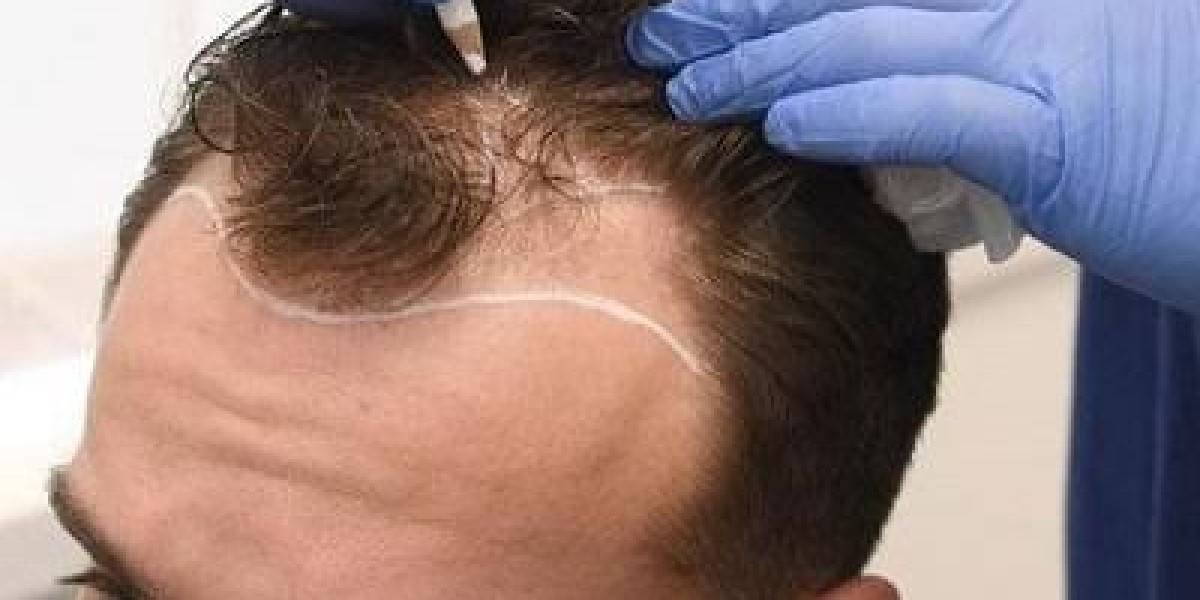

Hair loss can affect scalp coverage, hairline definition, and overall appearance. Hair transplantation offers a surgical approach to restoring hair in areas affected by thinning or hair loss. Careful graft planning is essential for creating balanced coverage and achieving results that complement an individual's natural hair pattern. Choosing hair transplant in dubai allows individuals to explore treatment options based on their hair restoration goals, donor hair availability, and scalp condition.
At Beaute Concept clinic dubai, hair restoration planning focuses on understanding individual concerns and evaluating the factors that influence transplantation outcomes. A personalized assessment can help determine suitable treatment options, establish realistic expectations, and plan graft distribution according to the patient's existing hair characteristics.
Understanding Hair Transplantation and Hair Density
Hair transplantation involves relocating hair follicles from a donor area, typically the back or sides of the scalp, to areas affected by hair loss. The objective is to improve coverage while maintaining a natural-looking hairline and appropriate distribution across the recipient area.
Hair density depends on several factors, including the number of available donor follicles, hair thickness, hair characteristics, scalp condition, and the size of the area requiring restoration. These factors must be considered before determining how many grafts may be appropriate.
Individuals researching the best hair transplant in dubai should understand that the highest graft count does not automatically produce the best outcome. Strategic placement, donor-area preservation, and a treatment plan suited to individual anatomy are important considerations.
The Importance of Careful Graft Planning
Graft planning is a fundamental part of hair transplantation because it determines how donor follicles may be distributed throughout the recipient area. The process begins with evaluating the pattern of hair loss, identifying areas that require greater coverage, and estimating the number of grafts that can be safely harvested.
A well-considered plan takes both immediate restoration needs and the possibility of future hair loss into account. This is particularly important for individuals whose hair thinning may continue over time.
At Beaute Concept clinic dubai, an individualized approach to graft planning can help align treatment decisions with the patient's hair characteristics and expectations. The aim is to use available donor hair carefully while supporting natural-looking coverage.
Assessing the Donor Area
The donor area provides the follicles used during transplantation. Its suitability depends on hair density, follicle characteristics, scalp condition, and the stability of the available hair.
Before treatment, the donor area should be assessed to determine how many follicles may be harvested without causing excessive thinning or visible depletion. Overharvesting can compromise the appearance of the donor area and limit future restoration options.
A careful assessment also helps determine whether the available donor supply is sufficient for the patient's goals. When hair loss affects a large scalp area, a staged approach or adjusted expectations may be necessary.
Designing a Natural-Looking Hairline
The hairline has a significant influence on the overall appearance of a hair transplant. Its design should reflect facial proportions, age, existing hair patterns, and the likelihood of future hair loss.
A natural hairline generally incorporates appropriate positioning and gradual transitions in follicular density. The use of finer, single-hair grafts near the front can help create a softer appearance, while multi-hair grafts may be suitable for increasing density behind the hairline.
An overly low or densely packed hairline may use donor follicles that could be needed for other areas later. Thoughtful planning therefore balances current aesthetic goals with long-term donor management.
Distributing Grafts Across Thinning Areas
Different parts of the scalp may require different restoration strategies. The frontal hairline, mid-scalp, and crown have distinct patterns of hair growth and coverage requirements.
The frontal region may receive priority when hairline definition is a major concern. The mid-scalp may require a distribution that blends transplanted hair with existing strands, while the crown can require additional planning because of its circular growth pattern.
Graft placement should account for the direction, angle, and orientation of natural hair growth. This helps transplanted follicles blend more naturally with surrounding hair and supports a consistent overall appearance.
Choosing an Appropriate Transplant Technique
Hair transplantation techniques differ in how donor follicles are collected and prepared. Follicular unit extraction, commonly known as FUE, involves removing individual follicular units from the donor area. Other techniques may involve harvesting a strip of scalp tissue before separating follicular units for transplantation.
The suitability of a technique depends on individual anatomy, donor characteristics, treatment goals, and clinical assessment. Each approach has potential advantages and limitations, including differences in scarring, recovery, and procedural requirements.
A consultation can help patients understand these differences and determine which approach is appropriate for their circumstances.
Recovery and Hair Growth After Transplantation
Recovery varies between individuals and depends on the procedure performed. Temporary redness, swelling, tenderness, and scabbing may occur during the early healing period. Following the medical team's aftercare instructions is important for protecting the recipient and donor areas.
Transplanted hairs commonly shed during the initial weeks after surgery. This is a normal part of the hair growth cycle and does not necessarily mean that the transplant has failed. New growth generally develops gradually over subsequent months, with maturation often continuing for around 12 months or longer.
Patients should attend recommended follow-up appointments and seek medical advice if they experience unexpected symptoms. Results vary, and complete density cannot be guaranteed.
Maintaining Hair Restoration Results
Hair transplantation restores follicles to selected areas but does not necessarily stop existing hair from thinning elsewhere. Ongoing hair loss can affect the appearance of the result, making long-term planning important.
Depending on the diagnosis, a healthcare professional may discuss suitable treatments to help manage progressive hair loss. These options should be considered according to medical history, individual suitability, and potential side effects.
Regular monitoring can help patients understand changes in their hair and determine whether further treatment may be appropriate.
Choosing Beaute Concept Clinic Dubai
Selecting a hair restoration provider involves evaluating professional qualifications, surgical experience, consultation standards, and aftercare arrangements. Patients should understand who will perform the procedure, how grafts will be planned, and what outcomes are realistic for their donor supply.
Individuals researching the best hair transplant clinic in dubai can use their consultation to discuss hairline design, donor-area preservation, expected coverage, recovery, and possible complications.
At Beaute Concept clinic dubai, an individualized discussion of hair restoration goals can help patients understand the treatment process and the factors that influence planning. Clear communication and realistic expectations are important parts of informed decision-making.
Frequently Asked Questions
How many grafts are needed for a hair transplant?
The number of grafts depends on the size of the area affected by hair loss, the desired coverage, hair characteristics, and available donor supply. A clinical assessment is needed to estimate an appropriate number.
Does a higher graft count guarantee better density?
No. Results also depend on graft survival, placement, hair thickness, scalp characteristics, and the distribution of transplanted follicles. Careful planning is more important than simply maximizing graft numbers.
When will new hair growth become visible?
Growth develops gradually. Initial shedding is common, and visible new growth often begins over the following months. Final results may take 12 months or longer to mature.
Can hair loss continue after transplantation?
Yes. Transplanted follicles may continue to grow, but surrounding non-transplanted hair can still thin. Long-term planning and appropriate medical management may help address progressive hair loss.
Is everyone suitable for a hair transplant?
No. Suitability depends on the cause and pattern of hair loss, donor hair availability, general health, and individual expectations. A qualified medical professional should assess these factors before recommending surgery.
Conclusion
Improving hair density through transplantation requires careful evaluation, strategic graft distribution, and consideration of long-term hair loss patterns. Donor-area preservation, natural hairline design, and appropriate follicle placement all contribute to planning a balanced restoration outcome.
At Beaute Concept clinic dubai, individuals can explore hair restoration options through an assessment of their hair characteristics and personal goals. Understanding the procedure, recovery process, potential risks, and realistic outcomes helps patients make informed decisions about hair transplantation.