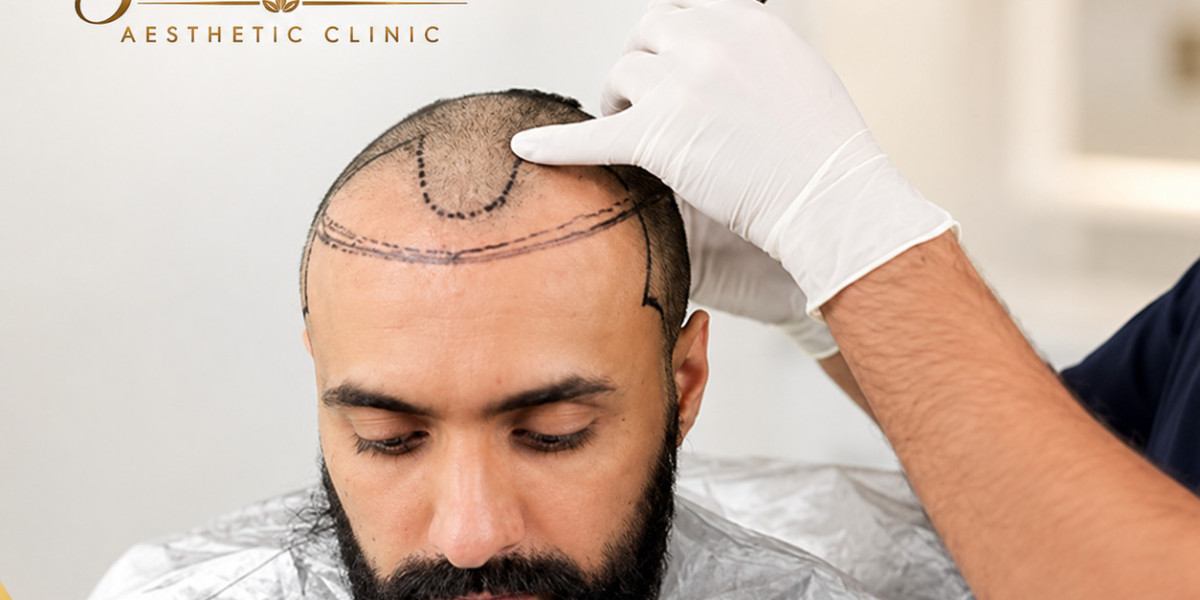

A hair transplant is a popular treatment for people experiencing hair loss, thinning hair, or a receding hairline. Although the procedure can help restore hair density and improve appearance, many patients have questions about what happens during recovery. One common concern is bleeding, particularly during the first few hours or days after treatment.Understanding what is normal and what requires medical attention can help you feel more confident throughout your recovery. Minor bleeding may occur after a hair transplant because the procedure involves creating tiny openings in the scalp to place healthy hair follicles. However, the amount of bleeding, how long it lasts, and whether it occurs alongside other symptoms are important factors to consider.If you are considering a Hair Transplant in Islamabad, learning about the recovery process can help you prepare for treatment and follow the correct aftercare instructions. Knowing how to protect your scalp, avoid unnecessary irritation, and recognise warning signs is essential for a comfortable recovery. n this guide, we explain why bleeding can occur after a hair transplant, how long it usually lasts, what you can do to manage minor bleeding, and when you should contact your doctor.
Is Bleeding Normal After a Hair Transplant?
Yes, a small amount of bleeding is generally normal immediately after a hair transplant. During the procedure, the surgeon extracts hair follicles from a donor area, usually at the back or sides of the head, and places them into areas affected by hair loss. These steps involve tiny incisions or punctures in the skin.Because the scalp contains many small blood vessels, minor bleeding or pinpoint spots of blood can occur during and shortly after treatment. In most uncomplicated cases, the medical team controls this bleeding before the patient leaves the clinic.After the procedure, small blood spots may appear around the transplanted follicles or donor area. These usually dry and form tiny crusts as the scalp begins to heal.However, heavy, continuous, or increasing bleeding is not considered normal and should be assessed by a medical professional. Bleeding that restarts repeatedly, soaks dressings, or occurs with severe pain, swelling, fever, or dizziness requires prompt medical advice.
Why Does Bleeding Occur After a Hair Transplant?
Several factors explain why minor bleeding can occur during recovery.
Tiny Incisions in the Scalp
Hair transplantation involves creating small openings in the scalp to remove or implant follicles. These openings can release a small amount of blood before clotting begins.
A Rich Blood Supply
The scalp has an extensive network of blood vessels that supports healthy hair growth. Although this blood supply is beneficial for healing, it also means that small cuts can produce visible spots of blood.
Accidental Contact With the Scalp
Touching, scratching, rubbing, or bumping the treated area may disturb healing wounds. This can cause fresh bleeding and potentially dislodge newly implanted grafts.
Medications and Medical Conditions
Some medicines, including anticoagulants and antiplatelet drugs, can increase bleeding. Certain medical conditions may also affect clotting or wound healing.Always tell your surgeon about your medications and medical history before treatment. Never stop prescribed blood-thinning medication without instructions from the clinician who manages it.
How Long Does Bleeding Last After a Hair Transplant?
The duration of bleeding varies depending on the technique used, the number of grafts transplanted, individual healing, and whether the scalp is disturbed during recovery.
First 24 Hours After the Procedure
A small amount of blood or fluid may be visible around the donor and recipient areas immediately after treatment. In most cases, the clinical team manages active bleeding before discharge, and tiny spots gradually dry as clotting occurs.Follow your clinic's instructions carefully during this period. Avoid touching the grafts, rubbing your scalp, or removing any dressing unless your medical team instructs you to do so.
Two to Three Days After Treatment
By this stage, active bleeding should generally have stopped. Small dried blood spots and crusts may remain around the transplanted follicles. These are a normal part of the healing process and should not be picked or scratched.If fresh bleeding continues or repeatedly returns after the first few days, contact your surgeon for advice.
One Week After a Hair Transplant
Most minor wounds should be healing, although small scabs may still be present. The scalp may feel sensitive, tight, or slightly itchy.Bleeding at this stage is not usually expected without a trigger. If it occurs spontaneously, repeatedly, or alongside increasing redness, pain, or swelling, arrange a medical assessment.
What Should You Do If Your Scalp Starts Bleeding?
If you notice minor bleeding after your hair transplant, staying calm and following appropriate first-aid measures can help protect the healing area.
Steps to Manage Minor Bleeding
Wash your hands: Clean your hands before touching the area, if contact is necessary.Avoid rubbing the scalp: Rubbing or scratching can damage healing tissue and disturb transplanted grafts.Contact your clinic: Ask your surgeon how to manage bleeding based on the location and stage of your recovery.Apply pressure only as directed: If bleeding is coming from the donor area, your clinic may recommend gentle, continuous pressure with clean gauze. Do not press directly on newly implanted grafts unless your surgeon specifically instructs you to.Keep your head elevated: If comfortable, resting with your head elevated may help minimise swelling.Follow aftercare instructions: Use only the recommended cleansing products, medications, and dressings.Minor, controlled bleeding does not automatically mean that your hair transplant has been damaged. In fact, small amounts of bleeding are expected when the scalp is punctured during the procedure.However, newly implanted grafts need time to become securely established in the recipient area. Trauma, scratching, vigorous washing, or pulling at crusts can interfere with healing and may dislodge grafts, particularly during the early recovery period.If you notice bleeding after accidentally touching or bumping the transplanted area, do not attempt to reposition a graft yourself. Contact your clinic for instructions, especially if you see a follicular graft or tissue attached to the blood.Following professional aftercare advice is one of the best ways to protect your results.
What Are the Benefits of a Hair Transplant?
A hair transplant can offer several benefits for suitable candidates experiencing permanent hair loss.
Natural-Looking Hair Restoration
Modern techniques place individual hair follicles according to the patient's hairline, hair direction, and existing density. Careful planning can help create natural-looking results.
Long-Term Improvement in Hair Density
Transplanted follicles taken from suitable donor areas can continue to grow for many years. However, results vary, and transplanted hair does not prevent untreated natural hair from thinning.
Improved Appearance and Confidence
Restoring hair in areas affected by hair loss may help patients feel more comfortable with their appearance.
Personalised Treatment Options
Techniques such as Follicular Unit Extraction (FUE) and Follicular Unit Transplantation (FUT) offer different approaches to harvesting hair follicles. A qualified surgeon can recommend an appropriate option based on the patient's goals and medical suitability.It is important to remember that benefits depend on donor hair quality, the extent of hair loss, surgical technique, and individual healing.
How Is a Hair Transplant Procedure Performed?
Understanding the treatment process can help patients know what to expect and why small amounts of bleeding may occur.
Consultation and Scalp Assessment
The surgeon examines the scalp, assesses the pattern of hair loss, evaluates donor hair, and discusses expectations. Medical history, medications, and any conditions that could increase bleeding risk should be reviewed.
Preparing the Donor Area
The donor area is cleaned and prepared. Local anaesthesia is usually administered to minimise discomfort during the procedure.
Extracting Hair Follicles
With FUE, individual follicular units are extracted from the donor area using specialised instruments. With FUT, a strip of scalp is removed and divided into follicular units.Both techniques involve small wounds that can bleed during the procedure.
Implanting the Hair Follicles
The surgeon prepares the recipient area and places the follicles into carefully planned sites. Small amounts of bleeding may occur as these openings are created.
Aftercare and Recovery
The medical team provides instructions about washing, sleeping, medications, and activity restrictions. Follow-up appointments help assess healing and address concerns such as persistent bleeding or signs of infection.
Who Is Suitable for a Hair Transplant?
A hair transplant may be appropriate for adults with pattern hair loss, stable areas of thinning, or certain types of hair loss that can be treated surgically.Not everyone is a suitable candidate. Active scalp infections, certain inflammatory hair-loss conditions, inadequate donor hair, or medical issues affecting healing may require further evaluation or alternative treatment.A professional consultation is essential before deciding whether to proceed.
What Are the Risks of a Hair Transplant?
Hair transplantation is a surgical procedure, so it carries potential risks even when performed by an experienced medical team.Excessive bleeding is less common than minor postoperative spotting, but the risk may be higher for people with certain medical conditions or medications.Discuss your individual risk factors with your surgeon before treatment. Choosing a qualified provider and following personalised aftercare instructions can help reduce avoidable complications.
Choosing a Hair Transplant Clinic in Islamabad
Selecting the right clinic is an important part of achieving safe, satisfactory results. Look for a qualified medical professional with appropriate surgical training, clear communication, suitable facilities, and a structured follow-up process.A reputable clinic should explain the benefits and limitations of treatment, discuss potential complications, and provide clear instructions for managing bleeding or other postoperative concerns.If you are researching a Hair Transplant in Islamabad, Glam Smile Clinic is one option to contact for information about consultation, available treatment techniques, suitability, and postoperative care. Ask about the qualifications of the treating surgeon, the clinic's approach to managing complications, and the support available during recovery before making a decision.
Frequently Asked Questions
Is a little blood normal after a hair transplant?
Yes. Small spots of blood immediately after surgery are generally expected because the procedure involves tiny openings in the scalp. Persistent or heavy bleeding needs medical attention.
Can I wash my hair if it is bleeding?
Do not wash or rub a freshly bleeding area without guidance from your surgeon. Follow the clinic's instructions on when and how to wash your scalp safely.
Does bleeding mean my hair transplant has failed?
No. Minor bleeding does not automatically indicate graft failure. However, trauma or dislodged grafts should be assessed by your treating clinic.
Can I sleep normally after a hair transplant?
Follow your surgeon's sleeping instructions, which may include keeping your head elevated and avoiding direct pressure on the transplanted area during the early recovery period.
When should I contact my doctor about bleeding?
Contact your surgeon if bleeding persists, repeatedly returns, or occurs with increasing pain, redness, swelling, or discharge. Seek emergency care for heavy uncontrolled bleeding or symptoms such as fainting or severe dizziness.
Conclusion
Minor bleeding is generally normal during the early stages of hair transplant recovery because the procedure creates tiny openings in the scalp. In most cases, this bleeding is controlled during treatment, and small spots dry as healing begins.However, ongoing bleeding, repeated fresh bleeding, or bleeding accompanied by other concerning symptoms should not be ignored. Protecting the transplanted area, following your surgeon's instructions, and attending follow-up appointments can help support recovery and safeguard your results.If you are considering a Hair Transplant in Islamabad, speak with a qualified medical professional about the procedure, potential risks, and appropriate aftercare. Glam Smile Clinic can be contacted to discuss treatment options and the consultation process. Making an informed decision and knowing when to seek medical advice are important steps toward a safer hair restoration journey.
Read More: