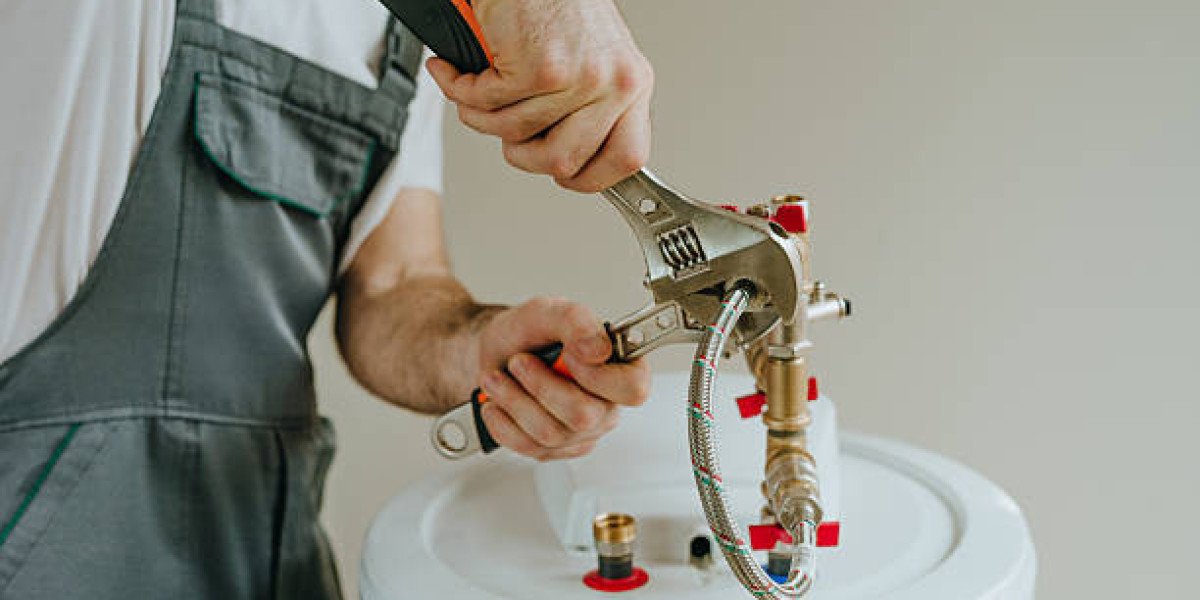

Becoming a plumber in Falmouth, Massachusetts, typically takes 4 to 5 years, including classroom education and hands-on apprenticeship training. Most individuals start with basic technical instruction before entering a structured apprenticeship program that builds real-world experience. After completing training hours and passing licensing exams, they can work independently as licensed plumbers.
The process is regulated by the state, ensuring professionals meet safety and quality standards.
For those researching how many years to become a plumber, the timeline depends on commitment, training pace, and licensing progress.
Key Takeaways
Becoming a plumber in Massachusetts usually takes 4–5 years
Apprenticeships are mandatory and combine work with education
Licensing requires passing state-approved exams
Training hours directly impact career progression
Demand for skilled plumbers remains consistently strong
Plumbing is a skilled trade that offers stability and long-term earning potential. In regions like Falmouth, demand for qualified professionals continues to grow due to ageing infrastructure and new construction projects.
Industry data shows that skilled trades, including plumbing, are projected to grow by over 6% through 2030. This steady demand makes plumbing an attractive career option for individuals seeking reliable employment.
Understanding Plumbing Training in Massachusetts
To become a plumber, individuals must follow a structured path defined by state regulations. The plumber requirements in Massachusetts include both classroom learning and supervised work experience.
Training begins with enrolling in a vocational program or technical school. These programs teach essential concepts such as pipe systems, water pressure, safety codes, and blueprint reading.
After completing initial coursework, candidates must enter an apprenticeship program. This stage is critical because it provides hands-on experience under licensed professionals.
Core Training Components
Classroom instruction covering plumbing systems and safety codes
Apprenticeship with licensed plumbers for practical experience
Understanding local and state plumbing regulations
Learning installation, repair, and maintenance techniques
Apprenticeship Length and Licensing Timeline
The apprenticeship is the longest phase of becoming a plumber. In Massachusetts, apprentices typically complete 8,500 hours of on-the-job training along with 550 hours of classroom instruction.
This structured system ensures that candidates develop both technical skills and practical knowledge before advancing.
The plumbing license MA timeline includes progressing from apprentice to journeyman and eventually to master plumber status.
Licensing Stages Overview
Stage | Requirements | Estimated Time |
Apprentice | Enroll in program and begin training | 0–1 year |
Journeyman | Complete apprenticeship + pass exam | 4–5 years |
Master Plumber | Additional experience + exam | 1–2 years after journeyman |
Most individuals become fully licensed journeyman plumbers within five years, while reaching master level may take up to seven years total.
What Affects the Time It Takes?
While the standard timeline is 4–5 years, several factors can influence how quickly someone completes their training.
Some individuals progress faster by enrolling in intensive programs or gaining additional field experience. Others may take longer if they train part-time or face scheduling limitations.
Location also plays a role. In Falmouth, opportunities for apprenticeships may vary depending on local demand for services like emergency plumber near me in Falmouth, MA.
Key Factors That Impact Timeline
Availability of apprenticeship opportunities
Full-time vs part-time training schedules
Ability to complete required hours quickly
Exam preparation and licensing success
Skills Required to Become a Successful Plumber
Plumbing requires a combination of technical expertise and problem-solving ability. Successful plumbers must understand systems, diagnose issues, and perform repairs efficiently.
They also need strong communication skills to explain problems and solutions to customers.
In areas where homeowners frequently search for a licensed plumber near me in Falmouth MA, professionals who combine technical skill with customer service stand out.
Essential Skills for Plumbers
Mechanical and technical problem-solving abilities
Knowledge of plumbing systems and tools
Physical stamina and manual dexterity
Strong communication and customer service skills
Cost of Becoming a Plumber
Training costs can vary depending on the program and location. Vocational school tuition may range from $3,000 to $15,000, while apprenticeship programs often allow individuals to earn while they learn.
Exam and licensing fees add additional costs, typically between $100 and $300 per stage.
Despite these costs, plumbing remains a high-return career. The average annual salary for plumbers in Massachusetts exceeds $65,000, with experienced professionals earning significantly more.
Career Opportunities After Licensing
Once licensed, plumbers can pursue various career paths. They may work for established companies, start their own business, or specialize in areas such as residential plumbing, commercial systems, or emergency services.
In growing communities like Falmouth, demand for skilled plumbers continues to rise, creating opportunities for long-term career growth.
Midway through their careers, many professionals collaborate with experienced companies like Blue Pacific Cape Cod, gaining exposure to diverse projects and advanced techniques.
Factors to Consider Before Choosing Plumbing as a Career
Before committing to this career path, individuals should evaluate several important considerations.
They must be prepared for physically demanding work, including lifting heavy materials and working in tight spaces. Additionally, the apprenticeship phase requires patience and dedication.
However, the long-term benefits—job stability, strong income potential, and career independence—often outweigh these challenges.
Those who commit fully to training and licensing typically find plumbing to be a rewarding profession.
Common Questions About Becoming a Plumber
Many individuals wonder whether formal education is required. While not always mandatory, vocational training significantly improves job readiness and success rates.
Another common concern is whether apprenticeships are paid. In most cases, apprentices earn wages while training, which helps offset education costs.
Some also ask about job demand. With ongoing infrastructure needs and housing development, demand for plumbers remains consistently strong.
Frequently Asked Questions
How long does it take to become a licensed plumber in Massachusetts?
It typically takes 4 to 5 years to become a licensed journeyman plumber, including apprenticeship and exam requirements. Advancing to master level may take additional time.
Do plumbers need a license in Falmouth, MA?
Yes, Massachusetts requires plumbers to be licensed. This ensures they meet safety standards and comply with state regulations.
Can someone become a plumber without an apprenticeship?
No, apprenticeships are mandatory in Massachusetts. They provide essential hands-on experience required for licensing.
How much do apprentice plumbers earn?
Apprentices earn while they train, with wages increasing as they gain experience. Pay varies depending on employer and location.
Is plumbing a good long-term career?
Yes, plumbing offers job stability, competitive income, and opportunities for advancement or business ownership.
Conclusion
Becoming a plumber in Falmouth, MA requires commitment, structured training, and hands-on experience over several years. While the process takes time, it leads to a stable and rewarding career with strong earning potential. By understanding licensing requirements and training pathways, individuals can confidently plan their journey into the plumbing profession.
Starting a plumbing career or hiring a trusted professional requires the right guidance. Connect with experienced experts who understand local regulations, licensing, and service standards in Falmouth. Whether exploring training paths or seeking reliable plumbing solutions, professional support makes the process smoother. Reach out today to get expert advice, accurate insights, and dependable service tailored to your specific needs and long-term goals.