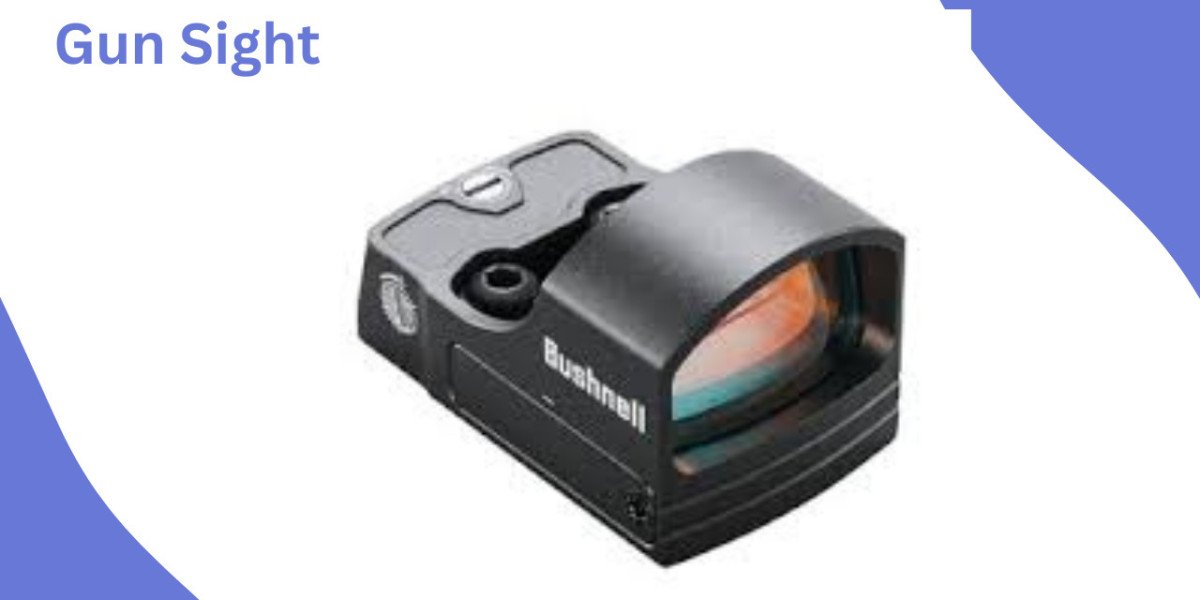

In the modern tactical and sporting landscape, the gun sight has evolved from a simple mechanical alignment tool into a high-tech optical computer. Whether for long-range precision, rapid close-quarters engagement, or low-light hunting, the quality of the glass and the sophistication of the internal electronics define the success of the shooter.
At ARVR Optical, we specialize in the core components that drive these advancements—from high-transmittance prisms to micro-display integrated "smart" reticles. This guide explores the different categories of gun sights and the technical innovations that are setting new industry standards in 2026.
Understanding the Three Pillars of Optical Gun Sights
To choose the right optic, a buyer must first understand the physics behind how the "aiming point" is delivered to the eye.
1. Reflex (Red Dot) Sights
The most common modern gun sight, the reflex sight, uses an LED emitter to project a dot onto a specially coated lens.
The Technical Edge: ARVR Optical uses multi-layered dielectric coatings to ensure the red dot is visible in high-noon sunlight while maintaining 95%+ light transmission for the user.
Best For: Rapid target acquisition and "both eyes open" shooting.
2. Holographic Sights
Unlike red dots, holographic sights use a laser diode and a recorded transmission hologram.
The Technical Edge: Because the reticle is a hologram, it remains perfectly sharp even if the front glass is cracked or obstructed. It also eliminates the "starburst" effect often seen by shooters with astigmatism.
Best For: Professional tactical use and shooters who require absolute reticle clarity.
3. Prism Sights
Prism sights use a physical prism to flip the image, allowing for an etched reticle on the glass.
The Technical Edge: An etched reticle is "always on"—even if the battery dies, the black reticle is visible.
Best For: Shooters who want magnification (typically 1x to 5x) in a compact, rugged form factor.
[Image Comparison: Reflex vs. Holographic vs. Prism Optics]
The Rise of the "Smart" Gun Sight: Digital Fusion
The biggest trend in 2026 is the integration of ARVR Optical micro-displays into traditional glass housings. These "Smart Sights" or "Hybrid Optics" offer features that were once science fiction:
Ballistic Calculation: Real-time adjustment of the aiming point based on windage, elevation, and distance provided by an integrated Laser Rangefinder (LRF).
Digital Overlays: Displaying battery life, compass heading, and even "shot counters" directly in the user's field of view.
Thermal Fusion: Overlaying a thermal heat signature onto a standard day-optic view, allowing hunters to see through fog or brush without switching devices.
Key Technical Specifications for Buyers
When comparing a gun sight from ARVR Optical to a competitor, look at these three critical benchmarks:
Parallax-Free Performance
Cheap sights suffer from "parallax error," where the dot moves if your eye isn't perfectly centered. Our precision-ground lenses ensure that the dot stays on the target regardless of your eye position, providing a true "point-of-aim, point-of-impact" experience.
Minute of Angle (MoA) Precision
We offer reticles as fine as 1 MoA (which covers 1 inch at 100 yards). For close-range speed, we provide 6 MoA dots. Our adjustment turrets feature tactile "clicks" that are repeatable and precise, ensuring your zero never shifts under recoil.
Light Transmission and MTF
The Modulation Transfer Function (MTF) is how we measure the lens's ability to transfer contrast. A high MTF means you can distinguish between a target and its background in the shadows of dusk or the glare of dawn.
Technical Comparison Table
| Feature | Reflex Sight | Holographic Sight | Prism Sight | Smart Hybrid |
| Battery Life | 50,000+ Hours | 1,000 Hours | 20,000 Hours | 10-20 Hours |
| Reticle Type | LED Reflection | Laser Hologram | Etched Glass | Micro-OLED |
| Eye Relief | Unlimited | Unlimited | Fixed (2-4 inches) | Unlimited |
| Magnification | 1x | 1x | 1x - 6x | Digital Zoom |
Why Partner with ARVR Optical?
As an optoelectronics expert, ARVR Optical understands that a gun sight must survive extreme conditions. We don't just focus on the glass; we focus on the entire system's durability:
Nitrogen Purging: All our optical chambers are purged with dry nitrogen and O-ring sealed to prevent internal fogging in humid or freezing environments.
Recoil Rating: Our electronics are "shock-hardened" to withstand the high G-forces of 1,000+ rounds of .308 Winchester or 12-gauge magnum loads.
Advanced Coatings: We apply hydrophobic (water-shedding) and oleophobic (oil-resisting) coatings to the outer lenses to ensure clarity in rain or mud.
Maintenance: Keeping Your Optics Mission-Ready
To ensure your gun sight lasts a lifetime:
Avoid Harsh Chemicals: Never use window cleaner on high-end optical coatings. Use only dedicated lens pens or high-purity alcohol with microfiber.
Check Your Mount: 90% of "accuracy issues" are actually loose mounting screws. Always use a torque wrench to meet the manufacturer's specifications.
Conclusion
The modern gun sight is a masterpiece of optical engineering and electronic integration. From the simplicity of a red dot to the complex data-overlays of a smart thermal sight, these tools are designed to increase confidence and accuracy in the field.
At ARVR Optical, we are dedicated to pushing the limits of what a tactical optic can do. By combining traditional glass-grinding excellence with the latest in micro-display technology, we provide the hardware that allows you to master your environment. Contact our team today to explore our full range of sighting solutions and see why professional shooters trust ARVR Optical.










