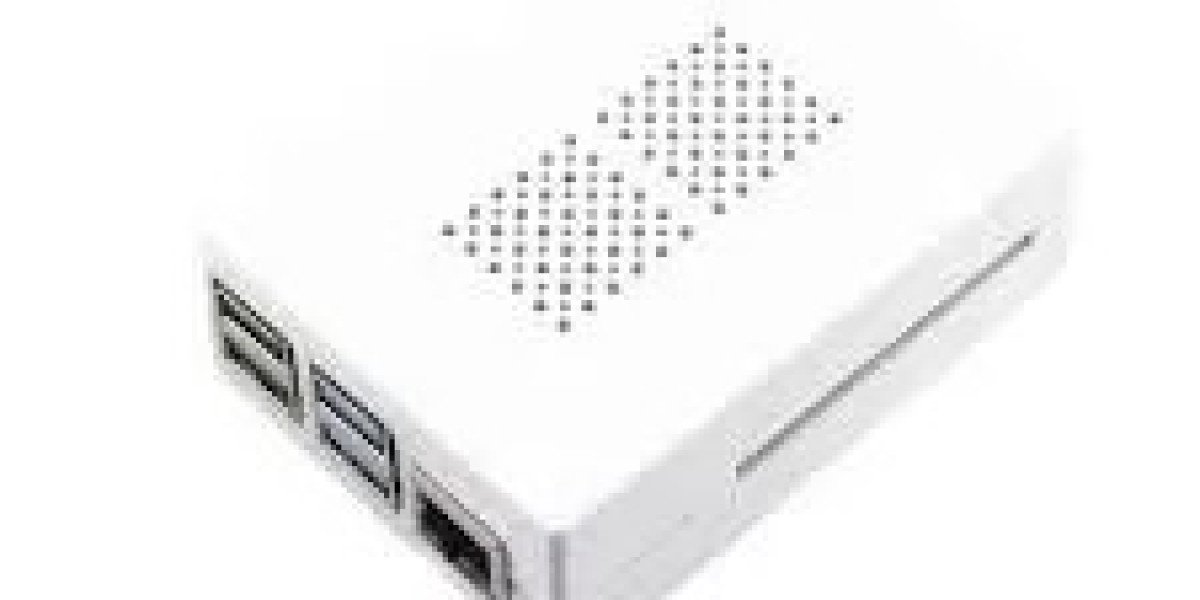

A compact computer like the Raspberry Pi deserves proper protection and functionality, which is where a well-designed enclosure becomes essential. Whether you are a hobbyist, student, or developer, choosing the right housing enhances both performance and durability. This guide explores everything you need to know about selecting the ideal Raspberry Pi Case, including its features, types, and practical tips for making the right choice.
Why a Case is Important
A protective enclosure is more than just an accessory. It safeguards delicate components from dust, accidental spills, and physical damage. Since the Raspberry Pi board is exposed, even minor contact can disrupt circuits or cause static-related issues. A case also improves usability by providing easy access to ports while keeping cables organized. Additionally, it can enhance heat management, which is crucial for maintaining consistent performance during extended usage.
Key Features to Consider
When selecting an enclosure, several features play a significant role in determining its effectiveness. Material quality is one of the most important factors. Cases are typically made from plastic, metal, or acrylic, each offering different levels of durability and heat dissipation. Ventilation is another essential feature, as proper airflow prevents overheating and ensures stable operation.
Port accessibility is equally critical. A well-designed case aligns perfectly with USB ports, HDMI outputs, power inputs, and GPIO pins. This allows seamless connectivity without the need to remove the board frequently. Some cases also include mounting options, enabling users to attach their device to walls, monitors, or other surfaces for convenient placement.
Another feature worth considering is expandability. Certain enclosures are designed to accommodate additional components such as cooling fans, heat sinks, or extra boards. This flexibility is particularly useful for advanced projects that require enhanced performance or customization.
Types of Raspberry Pi Cases
There are several types of enclosures available, each designed to meet specific needs and preferences. Basic plastic cases are among the most common options. They are lightweight, affordable, and easy to assemble, making them ideal for beginners. These cases provide essential protection while maintaining a simple and clean design.
Metal cases, on the other hand, offer superior durability and better heat dissipation. They are often used in environments where the device operates continuously or under higher workloads. The sturdy construction ensures long-term reliability and protection against external impacts.
Transparent acrylic cases are popular among users who want to showcase the internal components. These cases add a visual appeal while still offering decent protection. They are often used in educational settings or display projects where visibility is important.
Open-frame cases provide minimal coverage and are designed for quick access to the board. These are suitable for testing and development purposes, where frequent modifications are required. However, they offer limited protection compared to enclosed designs.
Specialized cases are also available for specific applications. Some are designed for media centers, featuring sleek designs that blend with home entertainment setups. Others are built for industrial use, offering rugged protection and advanced cooling mechanisms. Choosing the right type depends on how and where the device will be used.
Cooling and Heat Management
Heat management is a crucial aspect of maintaining optimal performance. As the Raspberry Pi handles intensive tasks, it can generate significant heat, which may affect its efficiency. A good enclosure should include ventilation slots or support for cooling accessories.
Passive cooling solutions, such as heat sinks, help dissipate heat without requiring additional power. Active cooling solutions, like fans, provide enhanced airflow and are ideal for demanding applications. Some cases are specifically designed with built-in cooling systems, ensuring consistent temperature control even under heavy workloads.
Proper airflow design is equally important. Cases with strategically placed vents allow heat to escape while drawing in cooler air. This helps maintain a stable operating temperature and prevents thermal throttling, which can slow down performance.
Design and Aesthetics
While functionality is a priority, design and aesthetics also play a role in choosing the right enclosure. A well-designed case can complement your workspace or project setup. From sleek and modern designs to rugged and industrial styles, there are options to suit every preference.
Color, shape, and finish can influence the overall appearance. Some users prefer minimalistic designs, while others opt for bold and eye-catching styles. Transparent cases offer a unique look by showcasing the internal components, adding a tech-inspired aesthetic to the setup.
Compact designs are ideal for portability, allowing users to carry their device easily. On the other hand, larger cases may provide additional space for accessories and better cooling options. Balancing design with functionality ensures a satisfying user experience.
Tips for Choosing the Right Case
Selecting the right enclosure requires careful consideration of your specific needs. Start by identifying the primary purpose of your Raspberry Pi project. If it is for learning or experimentation, a basic case may be sufficient. For more advanced applications, consider options with better cooling and expandability.
Ensure compatibility with your Raspberry Pi model, as different versions may have varying dimensions and port placements. Checking for proper alignment prevents inconvenience during setup. It is also important to evaluate build quality, as a sturdy case provides better protection and longevity.
Think about future upgrades as well. Choosing a case that supports additional components can save time and effort later. Ease of assembly is another factor to consider, especially for beginners who may prefer tool-free installation.