
Left ventricular assist devices (LVADs) are complex mechanical circulatory support devices implanted in patients with advanced heart failure to augment cardiac output and sustain life. An LVAD includes internal and external components — a pump inside the chest, a percutaneous driveline that exits the abdomen, a controller that runs the pump, and batteries that supply power. Managing these accessories safely is integral to long‑term well‑being, infection prevention, and quality of life for patients living with this technology.
Safe handling of LVAD accessories is essential for maintaining device integrity and preventing complications such as driveline infections, accidental disconnections, or skin irritation around the exit site. Patient outcomes are closely tied to how external components and related gear are managed daily. This article provides detailed, evidence‑based guidance on accessory care, with special focus on practical clothing solutions for LVAD patients, such as appropriate apparel and protective garments designed for comfort, safety, and mobility.
Understanding LVAD Components and Risk Factors
External Components Overview
LVADs include several external accessories that require meticulous handling to ensure safety and proper device function. The driveline is a flexible cable that exits through the abdominal wall, connecting the internal pump to the external controller and batteries, and it represents a critical point of infection risk if not maintained properly.
The controller is a handheld yet essential unit that monitors device parameters and alerts patients to any issues or alarms. Additionally, batteries and power packs provide continuous operation for the LVAD, and maintaining fully charged backups is necessary to ensure safety and prevent emergency situations.
Importance of Safe Accessory Management
The driveline exit site represents one of the most common sources of LVAD‑associated infection. Preventing trauma and contamination at this site through sterile handling, secure anchoring, and careful dressing changes reduces the risk of serious complications.
Core Practices for Safe Handling of LVAD Accessories
Driveline Care and Stabilization
Proper driveline care for LVAD patients requires strict adherence to sterile procedures and consistent monitoring. Aseptic dressing changes should be performed using sterile gloves, antiseptic solutions, and sterile dressings, following the specific instructions provided by the LVAD care team, while maintaining regular schedules and protocols.
Secure anchoring of the driveline with stabilizers or anchoring devices helps prevent excessive movement or tugging, reducing mechanical irritation and protecting the exit site. Additionally, daily inspection and monitoring are essential, with careful observation for any signs of infection such as redness, warmth, swelling, discharge, or pain at the driveline site.
Device Storage and Handling
Proper management of LVAD accessories includes careful attention to backup power and controller handling. Backup power management involves always carrying extra fully charged batteries and storing spare units in a designated LVAD bag to prevent damage and ensure immediate access when needed. Controller handling requires securing the controller to the body or clothing to minimize the risk of accidental drops or exposure to moisture, which could compromise device function or patient safety.
Environmental Considerations
LVAD users must exercise caution regarding water exposure and environmental conditions to maintain device integrity. The controller, batteries, and driveline components should never be submerged in water. Showering is safe only when using verified waterproofing safeguards, such as medical‑grade covers, and under the guidance of a healthcare professional.
Additionally, patients should avoid extreme temperatures and strong magnetic fields, such as those encountered in MRI environments without proper medical planning, as these factors can interfere with device electronics and compromise functionality.
LVAD Clothing for Patients: Practical Apparel Solutions
Appropriate clothing tailored for LVAD users significantly enhances comfort, accessory stability, and safety during everyday activities. Apparel that accommodates external components can reduce tension on the driveline, distribute weight of accessories, and allow easier management of the system.
Functional Clothing Principles
Effective clothing options for LVAD patients incorporate the following design principles:
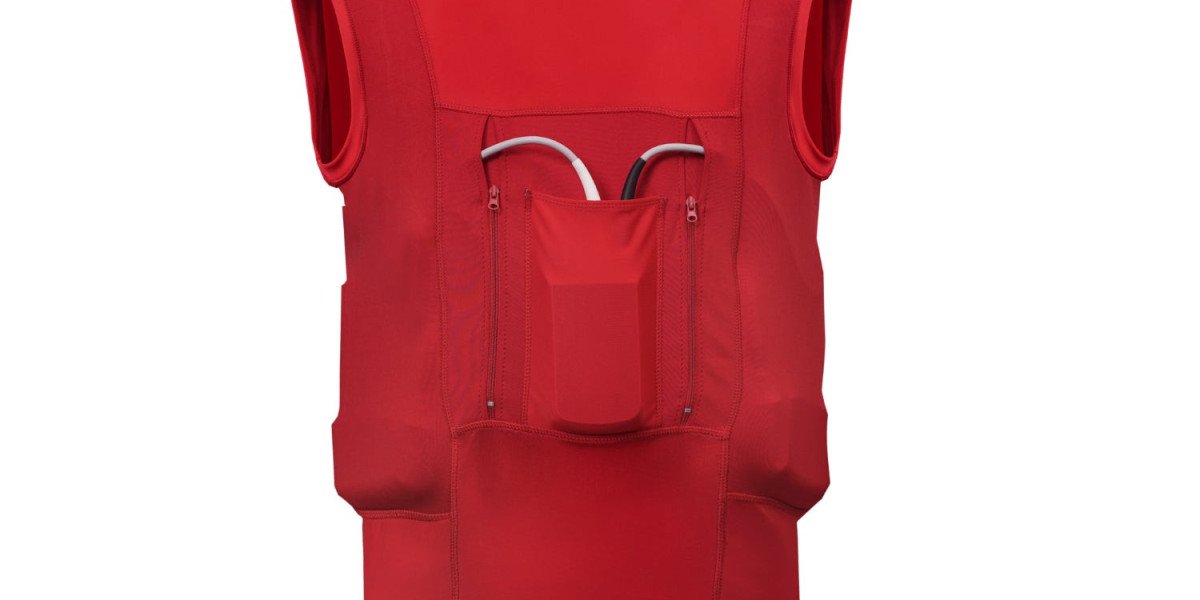
Strategic Pockets and Compartments: Garments with integrated pockets for the controller and batteries help distribute weight and prevent pulling on the driveline.
Breathable, Moisture‑Wicking Fabrics: Materials that promote airflow reduce skin irritation and sweat build‑up, especially around the driveline exit site.
Easy Access and Adjustment: Front‑opening garments or stretchable materials simplify dressing and allow quick access for emergencies.
For example, specialized clothing options like lvad clothing for patients offer features designed to hold batteries, stabilize the controller, and manage driveline routing effectively. This guide provides insights into selecting apparel that balances comfort with medical safety for LVAD users.
Specific Apparel Options
Tank Tops Designed for LVAD Users:
Tank tops built with secure pockets and breathable fabric can provide comfort in warmer climates and a stable way to carry the controller or smaller accessories. Options exist that are purpose‑designed to hold LVAD components without compressing sensitive areas, offering better ventilation and ease of movement. Explore example designs like specialized LVAD‑compatible tank tops here: HeartMate tank top.Supportive Shirts and Vests:
Extended shirts or vests with multiple reinforced pockets balance accessory weight and reduce stress on the driveline site.Seasonal Options:
Breathable mesh or lightweight layers for summer, and layered shirts or jackets in colder weather, help maintain comfortable external device management year‑round.
Expert Best Practices
Integrating Clinical Protocols with Daily Life
Patient Education: Thorough training by the LVAD care team on dressing changes, driveline handling, alarm interpretation, battery changes, and emergency procedures is essential.
Routine Checks: Establish daily routines for inspecting accessories, cleaning exit sites, confirming battery levels, and ensuring secure attachment points.
Caregiver Support: Caregivers should be trained to assist with accessory management, recognize early warning signs of infection, and help navigate challenges that arise during activities of daily living.
Clothing and Accessory Selection
Select garments that match both lifestyle needs and safety requirements — avoiding tight seams that could compress device components or restrict circulation.
Prioritize breathable and adjustable apparel to reduce mechanical irritation and improve tolerance over extended periods.
Common Mistakes and Misconceptions
Underestimating Infection Risks: Some patients may overlook subtle signs of driveline site irritation. Prompt sterile care and symptom recognition are critical.
Ignoring Apparel Functionality: Wearing ordinary clothing without designated support for accessories can increase tension on the driveline and discomfort during prolonged use.
Improper Water Exposure: Assuming standard protective wraps are sufficient for bathing can increase the risk of water reaching the site — clinician‑approved methods are required.
Conclusion
Safe handling of LVAD accessories is a cornerstone of long‑term success with left ventricular assist devices. A combination of rigorous driveline care, secure accessory management, and thoughtful selection of lvad clothing for patients enhances both safety and quality of life. Wearing apparel designed to support device components — such as breathable garments with secure pockets — reduces mechanical stress on the driveline, stabilizes accessories, and allows patients to maintain independence and comfort. Adherence to clinical protocols, ongoing education, and careful apparel choices help minimize complications and support everyday activities for LVAD users.
FAQs
1. What are the most common driveline complications?
Infection at the exit site and mechanical irritation due to tension or movement are among the most common complications; aseptic handling and secure anchoring systems help mitigate these risks.
2. How often should driveline dressings be changed?
Follow specific clinician instructions; typically daily or per the protocol provided by the LVAD care team.
3. Can LVAD users shower safely?
Yes — only with appropriate waterproof protection for external components and after consultation with the healthcare team.
4. Why is specialized clothing recommended for LVAD patients?
Purpose‑built clothing distributes accessory weight, reduces driveline tension, and improves daily comfort and device security.
5. How should batteries be carried during travel?
Always carry fully charged backup batteries in a breathable, protective bag with designated compartments for safety and easy access.
6. Is there a risk with tight clothing and LVAD components?
Yes — tight clothing can compress device parts, restrict blood flow, or cause skin irritation, increasing risk of complications.
7. What should patients do if they notice signs of infection?
Contact the LVAD care team immediately for guidance and possible evaluation.