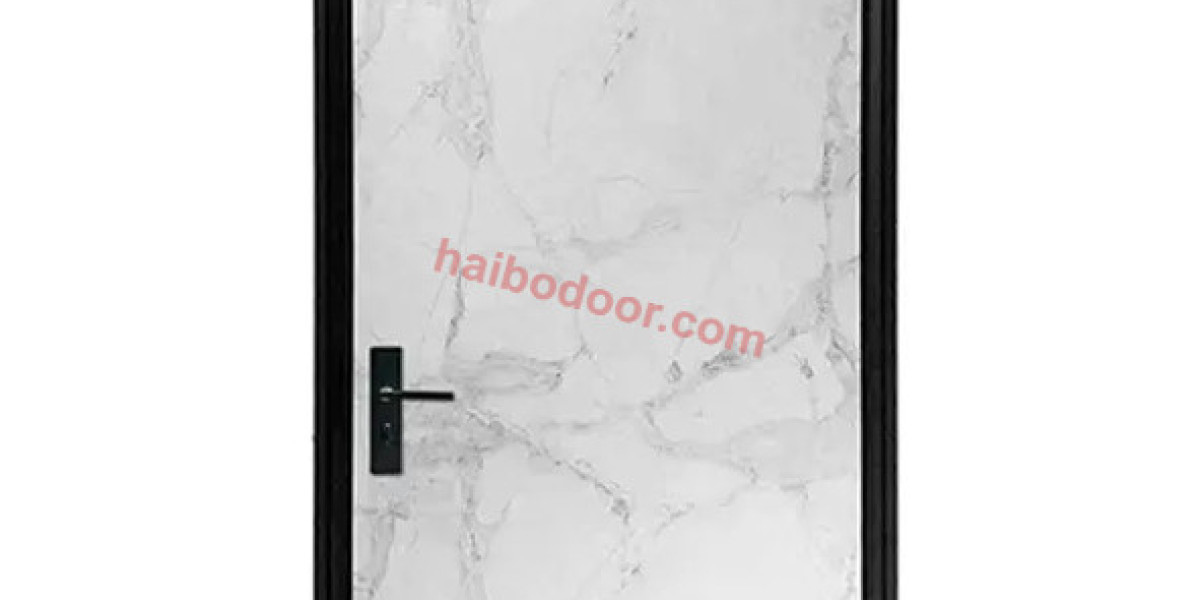

Understanding the Factors Behind HPL Door Production Timelines
Planning a construction project requires careful coordination between material purchasing, manufacturing, transportation, and on-site installation, making production schedules an important consideration when ordering interior doors. An HPL Door Factory such as haibodoor must coordinate several interconnected processes to prepare orders according to project specifications, quantities, and delivery requirements. From selecting suitable door cores to confirming surface finishes and arranging shipment, each stage can influence the overall schedule. What should buyers understand before placing an HPL door order to keep their projects organized and avoid unnecessary delays?
1. Raw Material Availability and Procurement
Material availability is one of the primary factors affecting manufacturing schedules. HPL doors typically involve decorative high-pressure laminate surfaces, door cores, framing materials, adhesives, hardware, and other components. The availability of these materials depends on supplier capacity, purchasing arrangements, material specifications, and transportation conditions.
Standard colors and commonly requested specifications may be easier to source because suppliers can maintain established inventories or regular replenishment arrangements. Customized finishes, unusual dimensions, specialized cores, and particular hardware combinations may require additional purchasing coordination. If a project specifies a particular surface pattern or construction method, production planning should account for the time required to obtain the necessary components.
Buyers can support smoother procurement by confirming product specifications before submitting an order. Information about door dimensions, thickness, surface finish, opening direction, frame requirements, and hardware should be communicated clearly. Late changes can affect purchasing decisions, production preparation, and the availability of previously selected materials.
Material planning also requires attention to quality consistency. Components should meet the agreed specifications rather than being selected solely according to availability. Establishing clear requirements at the quotation stage helps buyers and manufacturers coordinate procurement without creating avoidable complications during production.
2. Customization and Technical Specifications
Customization has a direct influence on manufacturing schedules because different door configurations require different preparation procedures. A project involving standard dimensions and familiar finishes may follow an established production process, whereas an order containing several sizes, decorative patterns, special hardware, or customized construction details may require additional technical review.
Before manufacturing begins, buyers should confirm measurements, drawings, surface colors, edge treatments, frame dimensions, and hardware positions. These details are especially important for commercial developments, hotels, healthcare facilities, educational buildings, and residential projects where multiple doors must fit specific openings and interior design requirements.
Technical drawings can help reduce misunderstandings between the purchasing team and the manufacturer. When a project involves unusual requirements, reviewing samples and approving specifications before production can prevent corrections after materials have been prepared. Such corrections may involve replacing components, adjusting manufacturing settings, or repeating quality inspections, all of which can extend the production schedule.
Buyers should also establish a clear procedure for approving design changes. If a finish, dimension, or hardware specification changes after manufacturing has started, the manufacturer may need to reassess material availability and reorganize production tasks. Confirming the final requirements at an early stage helps maintain a more predictable workflow.
3. Production Capacity and Manufacturing Planning
Factory capacity is another important consideration when estimating order completion. Manufacturing facilities need to coordinate material preparation, panel processing, cutting, edge treatment, assembly, surface finishing, and inspection. The time required for these operations depends on the production process, equipment availability, workforce allocation, and the complexity of the order.
Order volume can affect how production resources are assigned. A large project may require several manufacturing stages to be coordinated across different batches, while an order containing numerous customized designs may require frequent adjustments to equipment settings and work instructions. Production teams must balance these requirements with other scheduled orders and established quality procedures.
Seasonal demand can also influence scheduling. Construction activity, renovation periods, and procurement cycles may create periods when manufacturers receive a high volume of orders. Buyers who communicate their project requirements and target delivery dates in advance give suppliers an opportunity to assess capacity and establish a realistic production plan.
An agreed production schedule should identify important milestones, including specification approval, material preparation, manufacturing, inspection, and dispatch. Regular communication about these stages helps both parties identify potential issues before they affect the entire order. Buyers should request realistic estimates based on the actual product configuration rather than assuming every door model requires the same manufacturing period.
4. Quality Inspection, Packaging, and Transportation
Manufacturing completion does not always mean that an order is ready for immediate delivery. Before dispatch, doors may require inspection to verify dimensions, surface appearance, edge quality, hardware preparation, and compliance with the agreed specifications. If an inspection identifies defects or inconsistencies, corrective work may be necessary before the products can be released.
Quality checks are particularly important for projects involving multiple doors because variations in dimensions, colors, or hardware positions can complicate installation. Establishing acceptance criteria before production helps manufacturers understand the buyer's expectations and allows inspection procedures to follow a consistent standard.
Packaging also affects delivery preparation. HPL doors must be protected against scratches, moisture exposure, edge damage, and movement during handling. Packaging requirements may differ according to door dimensions, shipping methods, carton arrangements, and the destination's handling conditions. Special packaging requests should therefore be discussed during order confirmation rather than added at the final stage.
Transportation introduces another scheduling consideration. Delivery duration depends on the destination, shipping method, carrier arrangements, customs procedures where applicable, and local transportation conditions. International shipments may also require export documentation and coordination between freight providers. Buyers should distinguish manufacturing duration from transit duration when preparing installation schedules, allowing sufficient time for inspection upon arrival and movement to the construction site.
5. Communication and Order Management
Clear communication between buyers and manufacturers helps prevent avoidable scheduling problems. Incomplete drawings, unclear quantities, delayed approvals, and conflicting product requirements can interrupt purchasing and production activities. A structured order process should therefore establish who is responsible for providing technical information, approving samples, confirming payment arrangements, and authorizing design changes.
A written order confirmation provides a useful reference for both parties. It should record product specifications, quantities, finish selections, packaging requirements, payment conditions, shipping arrangements, and the agreed production schedule. If any requirement changes, the parties should document the adjustment and assess its effect on cost and timing.
Buyers can also improve coordination by consolidating project information before requesting a quotation. A complete inquiry may include architectural drawings, a door schedule, opening dimensions, finish references, hardware requirements, delivery location, and the intended installation period. Providing these details early allows the manufacturer to assess the project with fewer unanswered questions.
Regular progress updates are useful when orders involve multiple batches or a fixed installation date. Communication does not remove every possible production or transportation issue, but it allows both parties to respond to changes with a clearer understanding of their responsibilities. Maintaining a single record of approved specifications and project updates can also reduce confusion when several departments participate in the same order.
6. Preparing a Practical Procurement Schedule
A realistic procurement plan should consider the entire process rather than focusing exclusively on factory production. Buyers need to allow time for technical confirmation, material sourcing, manufacturing, quality inspection, packaging, transportation, receiving procedures, and installation preparation. The required schedule will vary according to order size, customization, supplier capacity, and destination.
For construction managers, coordinating door procurement with other building activities is particularly important. Wall openings should be measured and verified before final dimensions are confirmed, while installation teams should understand the selected frame arrangement and hardware requirements. If doors arrive before the site is ready, storage conditions may become an issue; if they arrive after installation teams are scheduled, project coordination may be disrupted.
A practical timeline should include reasonable allowances for approvals and unexpected changes. Buyers should avoid relying on an estimated dispatch date as the only milestone because transportation and site receiving can require additional time. Confirming responsibilities for delivery, unloading, inspection, and temporary storage also helps reduce uncertainty when the products arrive.
For contractors, distributors, and property developers planning commercial or residential projects, choosing a reliable HPL Door Factory involves evaluating product specifications, customization options, production arrangements, and delivery coordination. Haibodoor provides HPL door solutions for different building applications, allowing buyers to review suitable styles and technical details according to their project requirements. By visiting https://www.haibodoor.com/ customers can explore available HPL door products and discuss specifications, order quantities, and scheduling requirements with the supplier. Early communication and clear technical documentation can help purchasing teams coordinate manufacturing and transportation with their construction schedules while keeping project requirements organized.