
Why Hiring a Wildlife Exterminator Outperforms DIY Animal Removal?
Professional wildlife exterminators provide specialized knowledge, advanced exclusion tools, and structural repair skills that DIY methods simply cannot match. While homeowners often try traps, only experts address the root cause of the infestation to prevent future re-entry while ensuring human and animal safety.
When a scratching sound echoes from the attic or a masked face peers over a gutter in the middle of the night, the first instinct for many homeowners in Lansing or Okemos is to head to the local hardware store. The shelves are lined with wire cages, chemical repellents, and ultrasonic noisemakers promising a quick fix. However, wildlife management is rarely as simple as setting a trap and moving on. In Mid-Michigan, where raccoons, squirrels, and bats are common, the gap between a DIY attempt and a professional intervention is vast.
Dealing with wild animals involves navigating complex biology, local legal regulations, and significant health risks. A wildlife exterminator, often more accurately described as a wildlife control expert, does not just remove an animal; they secure a home. This guide explores the critical differences between amateur attempts and professional solutions, highlighting why expertise is the only way to achieve a permanent, humane result.
The Complexity of Wildlife Behavior and Biology
One of the most common reasons DIY efforts fail is a lack of understanding regarding animal behavior. Animals do not enter homes by accident; they are seeking shelter, warmth, or a place to raise young.
Identifying the Species and the 'Why'
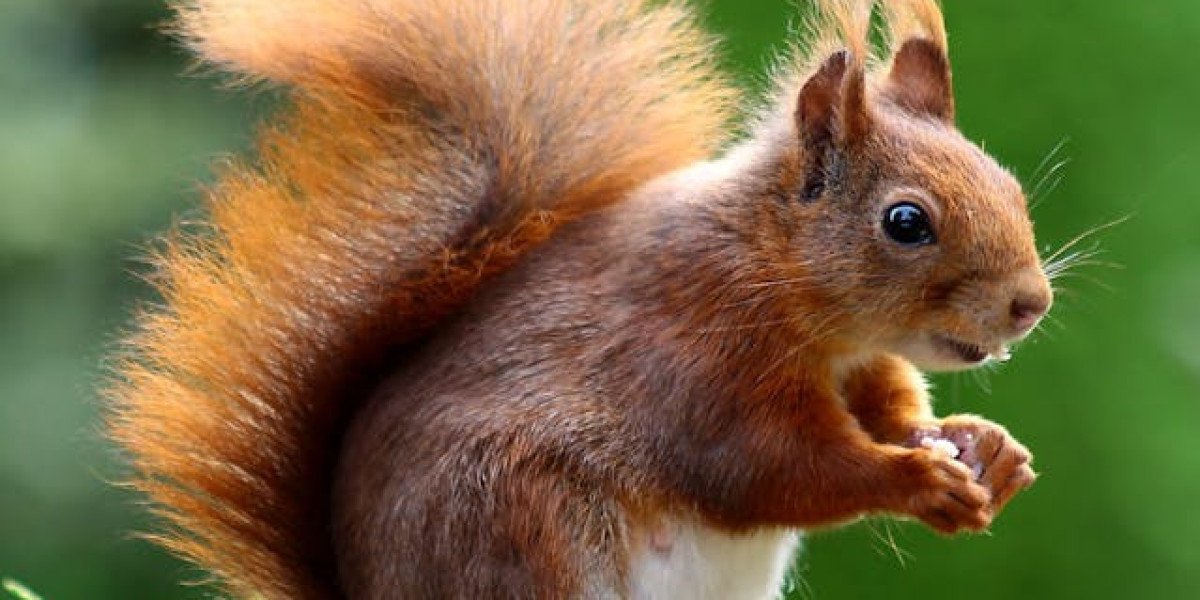
Animal control experts begin by identifying the specific species involved. A raccoon requires a different strategy than a red squirrel. For instance, squirrels are diurnal and highly motivated by food caches, while raccoons are nocturnal and often look for a nesting site. A professional can look at the size of a hole, the type of nesting material, and even the scent of the area to determine exactly what they are dealing with. Without this knowledge, a homeowner might set the wrong trap or use the wrong bait, wasting time while the animal causes more damage.
The Problem with Relocation
Many DIYers assume that trapping an animal and driving it five miles away is the humane solution. In reality, this is often a death sentence for the animal. Relocated animals are dropped into unfamiliar territory where they must compete with established residents for food and shelter. Furthermore, in Michigan, moving certain species across county lines is regulated to prevent the spread of diseases like rabies. A professional wildlife exterminator understands these regulations and focuses on on-site exclusion or legal relocation methods that prioritize both the ecosystem and the animal's welfare.
Advanced Exclusion: Moving Beyond the Trap
Trapping is only 10% of the solution. If a homeowner traps a squirrel but leaves the hole in the soffit open, another squirrel will move in within days. This is known as the "vacuum effect."
One-Way Doors and Funnels
Professional animal control experts use specialized equipment like one-way doors. These devices allow the animal to leave the home to forage but prevent them from re-entering. This method is far more humane and effective than trapping because it reduces the stress on the animal and ensures the home is empty before any repairs are made. DIY enthusiasts rarely have access to these precision-engineered tools.
Sealing Entry Points with Professional Grade Materials
A wildlife exterminator uses materials that animals cannot chew through. While a homeowner might use expanding foam or wood, a professional uses heavy-gauge galvanized steel hardware cloth, high-quality caulking, and metal flashing. Animals like squirrels and rats can chew through plastic, wood, and even light aluminum. Professionals identify every possible entry point, including those the homeowner hasn't noticed yet, and seal them with industrial-grade materials that blend into the home's aesthetics.
The Hidden Dangers: Health and Safety Risks
Wildlife removal is inherently dangerous. Beyond the risk of bites and scratches, there are invisible threats that DIY methods often ignore.
Zoonotic Diseases
Wild animals carry a variety of zoonotic diseases that can jump from animals to humans.
Raccoons: Their feces often contain Baylisascaris procyonis (raccoon roundworm), which can survive in soil or attics for years and is dangerous if inhaled.
Bats: Bat guano can host Histoplasma capsulatum, a fungus that causes Histoplasmosis, a serious respiratory infection.
Rodents: Squirrels and mice can carry Leptospirosis and Hantavirus.
Wildlife exterminators use Personal Protective Equipment (PPE), including HEPA-filtered respirators and biohazard suits, to handle these threats. They also utilize professional-grade disinfectants to sanitize the area, something a standard household cleaner cannot achieve.
Structural Hazards
Climbing onto a steep roof in Jackson or Eaton County to inspect a chimney or ridge vent is risky. Professionals are trained in ladder safety and roof navigation. They also know how to identify structural weaknesses caused by animal urine or chewing, preventing the homeowner from accidentally stepping through a weakened ceiling or roof deck.
Attic Restoration and Decontamination
Once the animal is gone, the job is only half done. Animals leave behind biological markers, scents that tell other animals the home is a safe place to live.
Pheromone Removal
DIY methods rarely address pheromones. Even if the animal is gone and the hole is patched, the scent of a former resident can attract new predators or members of the same species to the area. A professional wildlife exterminator uses enzymatic cleaners to break down these pheromones, effectively "resetting" the home's scent profile.
Insulation Replacement
Animals often crush or soil attic insulation with urine and feces, which ruins its R-value (insulating effectiveness). Professionals provide attic restoration services, which involve removing contaminated insulation and blowing in new, fire-retardant material. This not only keeps the home healthy but also restores energy efficiency.
Legal Compliance in Michigan
Michigan has specific laws regarding wildlife. For example, bats are a protected species, and it is illegal to exclude them during their maternity season (typically May through August) because the flightless pups would be trapped inside and die, creating a massive health and odor problem.
Animal control experts stay updated on Michigan Department of Natural Resources (DNR) regulations. They know when they can legally move an animal and when they must wait. A homeowner who accidentally kills a protected species or violates relocation laws could face significant fines. Hiring a professional ensures the process is entirely legal and ethical.
Practical Tips for Homeowners
While major removals should be left to experts, homeowners can take steps to make their property less attractive to wildlife:
Secure Trash: Use locking lids on garbage cans to discourage raccoons.
Trim Branches: Keep tree limbs at least 10 feet away from the roofline to prevent easy access for squirrels.
Remove Food Sources: Avoid leaving pet food outside and keep bird feeders away from the house.
Inspect Regularly: Check your soffits, vents, and chimney caps every spring and fall.
Clean Gutters: Debris in gutters can lead to wood rot, which makes it easier for animals to chew into the home.
Conclusion
Wildlife removal is a specialized field that combines construction, biology, and public health. While the DIY spirit is strong across Mid-Michigan, the risks associated with animal removal, ranging from physical injury to long-term structural damage, are often too high for the average homeowner to manage alone.
By consulting a professional wildlife exterminator, residents in Lansing, Jackson, and beyond ensure that their homes are not just empty of pests but are also safe, sanitized, and structurally sound. Local experts, such as Northern MI Wildlife Services, provide the expertise necessary to ensure the job is handled the first time correctly, protecting both the family home and the local wildlife population. Ultimately, professional intervention is the most reliable way to maintain a safe, animal-free environment for the long term.
Frequently Asked Questions (FAQs)
Q: How much does a professional wildlife exterminator cost?
Costs vary based on the species, the extent of the damage, and the number of entry points. While DIY might seem cheaper initially, the cost of repairing recurring damage or medical bills from animal-borne illnesses often makes professional service more cost-effective in the long run.
Q: Is it okay to use poison for wildlife?
No. Poison is rarely effective for wildlife and often results in the animal dying inside a wall or attic, leading to terrible odors and fly infestations. It also poses a risk to pets and local birds of prey that might eat the poisoned animal.
Q: How long does the removal process take?
Most professional exclusions take between 3 and 7 days. This allows time for the one-way doors to work and ensures all animals have exited before the final seal is applied.
Q: Can I just block the hole myself if I don't see the animal?
This is a common mistake. If you block the hole while an animal is inside, it will either chew a new hole (causing more damage) or die inside your walls. Always ensure the animal is out before sealing.