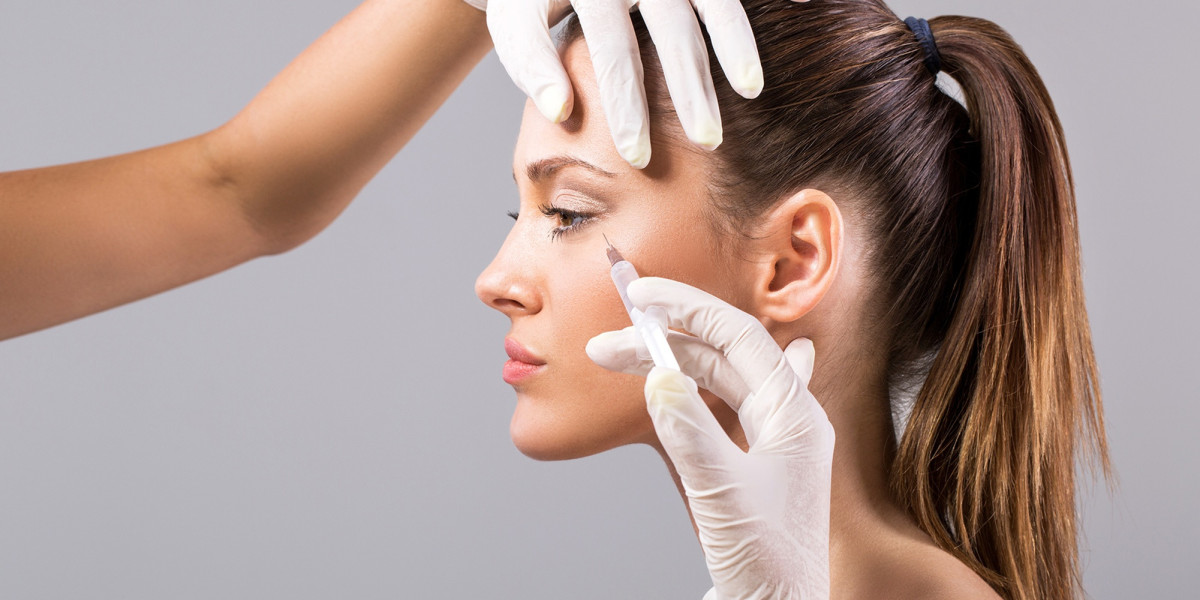

Introduction to Botox in Dubai
Modern aesthetic treatments offer a range of options for people who want to refresh their facial appearance while maintaining their natural expressions. Botox in Dubai has become a widely recognised option for addressing the appearance of dynamic facial lines, particularly those that develop through repeated expressions such as smiling, frowning, and raising the eyebrows. The treatment uses a purified form of botulinum toxin type A to temporarily relax selected facial muscles, helping soften certain expression-related wrinkles.
People considering treatment often want to understand the available options, the consultation process, expected results, and how to choose an appropriate provider. A successful aesthetic experience begins with realistic expectations and a personalised assessment. At Altaderma Clinic Dubai, individuals can explore their aesthetic goals through a professional consultation and discuss whether Botox may be suitable for their facial features and preferences.
Choosing the Best Botox in Dubai involves more than comparing promotional offers or treatment prices. It requires attention to the practitioner's qualifications, knowledge of facial anatomy, consultation standards, product information, and treatment planning. Equally, understanding Botox Cost in Dubai can help individuals make informed decisions about their budget while considering the quality and suitability of the service.
Understanding Botox and Its Role in Facial Aesthetics
Botox is a brand name commonly associated with botulinum toxin type A, a substance used in controlled medical and aesthetic applications. In facial aesthetics, it works by temporarily reducing the communication between selected nerves and muscles. As the targeted muscles become less active, the skin above them may appear smoother.
Facial expressions naturally contribute to the development of lines over time. Repeated movements can gradually make expression lines more noticeable, especially around the forehead, between the eyebrows, and near the outer corners of the eyes. Botox treatments are designed to address these specific areas by reducing excessive muscle movement.
The treatment does not work by filling wrinkles or adding volume. Instead, it focuses on muscle activity. This distinction is important because different facial concerns require different approaches. A consultation helps determine whether Botox, another aesthetic treatment, or a combination of carefully selected options may better address an individual's goals.
How Botox Treatments Work
The Science Behind Muscle Relaxation
Botulinum toxin type A temporarily blocks the release of acetylcholine, a chemical messenger involved in muscle contraction. When the substance is administered into carefully selected muscles, their activity is reduced for a limited period.
This effect can soften wrinkles caused by repeated facial movements. The treatment is temporary because nerve endings gradually recover their normal function. As muscle activity returns, expression lines may become more visible again.
Why Precise Treatment Planning Matters
Facial muscles work together to create expressions. Treating one area without considering surrounding muscles may affect facial balance. For this reason, an appropriate treatment plan should consider muscle strength, facial proportions, natural asymmetry, and the individual's desired appearance.
The objective is not necessarily to eliminate every line. Many people prefer a refreshed appearance that preserves their ability to express emotions naturally. Careful planning helps establish a suitable balance between reducing unwanted muscle activity and maintaining normal facial movement.
Common Areas Treated with Botox in Dubai
Forehead Lines
Horizontal forehead lines commonly appear when a person raises their eyebrows. These lines may become more noticeable over time as repeated expressions contribute to changes in the skin.
Botox may help soften forehead lines by reducing activity in selected muscles. Treatment planning should account for eyebrow position and the role of the forehead muscles in maintaining natural facial expression.
Frown Lines Between the Eyebrows
Vertical lines between the eyebrows are often called frown lines or glabellar lines. They can become visible when someone concentrates, squints, or frowns.
Botox may be used to reduce the muscle activity responsible for these lines. A personalised assessment helps determine the appropriate injection points and treatment approach.
Crow's Feet Around the Eyes
Crow's feet are small lines that develop around the outer corners of the eyes, particularly when smiling or squinting. These lines are associated with the repeated movement of muscles surrounding the eye area.
Carefully planned Botox treatment may soften their appearance while aiming to preserve a natural smile. The delicate anatomy around the eyes makes accurate assessment particularly important.
Bunny Lines on the Nose
Some individuals notice small lines across the bridge or sides of the nose when smiling or scrunching their facial muscles. These are commonly known as bunny lines.
In selected cases, Botox may be considered to reduce the muscle movement that creates these lines. Treatment should be based on individual facial anatomy rather than a standard injection pattern.
Chin Lines and Dimpling
The chin can develop a dimpled or uneven appearance when its underlying muscle contracts. Depending on the individual's facial structure and muscle activity, Botox may be considered to soften this appearance.
A practitioner should evaluate the chin in relation to the lower lip, jawline, and surrounding muscles before recommending treatment.
Best Botox in Dubai: What to Look for in a Provider
Finding the Best Botox in Dubai means prioritising professional standards, personalised care, and clear communication. An attractive offer or impressive marketing material should not replace a proper assessment of the provider and treatment process.
Qualified Medical Professionals
Botox is a prescription medical treatment in many jurisdictions, and it should be administered by an appropriately qualified and authorised healthcare professional. Individuals should check the practitioner's credentials, relevant training, and experience with facial aesthetic procedures.
Knowledge of facial anatomy is particularly important because facial muscles have different functions and work in coordinated patterns. A qualified professional can assess these relationships before developing an injection plan.
Personalised Consultations
A consultation should provide an opportunity to discuss facial concerns, previous aesthetic treatments, medical history, expectations, and personal preferences.
Rather than recommending identical injection points to everyone, a practitioner should assess the individual's facial movements and explain which areas may be appropriate to treat. The consultation should also clarify what Botox can and cannot achieve.
Product Transparency
Patients should be able to ask about the product being used, its source, storage, preparation, and suitability for the intended treatment. Clear information supports informed decision-making and helps individuals understand the procedure.
Professional Treatment Environment
The treatment setting should follow appropriate hygiene, safety, and clinical standards. Patients should feel comfortable asking questions and receiving clear explanations throughout the process.
Realistic Treatment Recommendations
A responsible provider should avoid promising perfect results or suggesting that every wrinkle can be removed. Facial anatomy, skin condition, muscle strength, and individual response all influence the outcome.
Botox Cost in Dubai: Understanding Treatment Pricing
The Botox Cost in Dubai can vary according to several factors. There is no single price that applies to every individual because treatment requirements differ depending on the areas being addressed, the strength of the targeted muscles, and the amount of product needed.
Understanding the elements that influence pricing can help individuals compare treatment options more effectively.
Number of Areas Being Treated
Treating one facial area may require a different amount of product than treating several areas. For example, someone interested in forehead treatment alone may have different requirements from someone considering the forehead, frown lines, and crow's feet together.
The number of areas should be determined during consultation rather than selected solely through a standard package.
Amount of Product Required
The amount of Botox used depends on individual muscle activity, the treatment area, and the desired degree of muscle relaxation. Different people may require different amounts even when they are treating the same facial region.
A practitioner should explain the proposed treatment plan and clarify how the recommended amount relates to the individual's needs.
Practitioner's Qualifications and Experience
The practitioner's training, experience, and clinical approach may influence the overall cost. Choosing a provider based only on the lowest advertised price may overlook important considerations such as qualifications, product transparency, and personalised treatment planning.
Clinic Standards and Services
The overall service may include consultation, treatment planning, follow-up guidance, and review appointments. These elements can contribute to the total price and should be understood before proceeding.
How to Compare Treatment Prices
When comparing Botox prices, individuals should ask what is included, which product is being used, how the treatment amount is calculated, and whether a follow-up appointment is available.
A transparent quotation should explain the proposed areas and treatment plan. Patients should avoid making decisions based solely on unusually low prices or limited promotional information.
What to Expect During a Botox Consultation
A consultation is an important part of the treatment journey. It helps the practitioner understand the individual's goals and determine whether Botox is an appropriate option.
Discussing Your Aesthetic Goals
The first step is to explain which facial lines or areas are causing concern. Some individuals want to soften forehead lines, while others are more interested in frown lines or crow's feet.
Clear communication helps the practitioner understand the preferred outcome. It is also useful to discuss whether the desired appearance is subtle, balanced, or more noticeable.
Reviewing Medical History
The practitioner should review relevant medical information, including previous aesthetic procedures, current medications, allergies, and any conditions that may affect treatment suitability.
Certain medical circumstances may require additional assessment or make Botox unsuitable. Providing accurate information helps the practitioner make an informed recommendation.
Assessing Facial Movements
The practitioner may ask the individual to raise their eyebrows, frown, smile, or make other facial expressions. Observing these movements helps identify the muscles responsible for specific lines.
This assessment supports an injection plan that considers facial balance rather than focusing only on visible wrinkles.
Explaining the Treatment Plan
Before treatment, the practitioner should explain the proposed injection areas, expected effects, limitations, aftercare guidance, and approximate timeline. Individuals should have enough information to make a voluntary and informed decision.
The Botox Treatment Process
Preparing for the Appointment
Preparation begins with following the practitioner's instructions. Patients should disclose relevant medications and supplements and ask whether any changes are needed before the appointment. They should not stop prescribed medication without advice from the relevant healthcare professional.
The practitioner should confirm the treatment areas and review the agreed plan before proceeding.
Administering the Injections
Botox is generally administered through small injections into selected muscles using a fine needle. The number of injection points depends on the areas being treated and the individual's facial anatomy.
The appointment is usually relatively brief, although the overall time can vary according to the treatment plan and consultation requirements.
After the Appointment
Patients should follow the personalised aftercare instructions provided by their practitioner. They may be advised to avoid rubbing or applying pressure to treated areas for a specified period and to follow guidance about exercise and other activities.
Any questions or unexpected concerns should be discussed with the treating professional rather than managed through guesswork.
When Can You Expect to See Botox Results?
Botox does not usually produce its full effect immediately. Some individuals begin noticing changes within a few days, while the visible effect generally develops over approximately one to two weeks.
The timing can vary depending on the treatment area, muscle activity, product, and individual response.
Initial Changes
During the first several days, muscle movement in the treated area may gradually become reduced. The appearance of expression lines can begin to soften as the treatment takes effect.
Full Treatment Effect
The overall result is commonly assessed around two weeks after treatment. A follow-up review may help the practitioner evaluate the response and determine whether any further clinical assessment is appropriate.
How Long Do Results Last?
Results are temporary and commonly last around three to four months, although the duration varies between individuals. Muscle activity gradually returns, and expression lines may become noticeable again.
The timing of repeat treatments should be discussed with a qualified professional. Treatment frequency should not be based only on promotional schedules or assumptions about what everyone needs.
Maintaining Natural Facial Expressions
A common concern among people considering Botox is whether their face will look unnatural. The appearance of the result depends on factors such as injection placement, product amount, muscle strength, and individual facial anatomy.
A carefully planned treatment aims to reduce selected muscle activity without unnecessarily affecting surrounding expressions.
Avoiding an Over-Treated Appearance
Using an appropriate amount of product is important. Excessive relaxation of certain muscles may change facial movement or expression. A practitioner should therefore consider the individual's natural features and preferences when planning treatment.
Considering Facial Balance
The forehead, eyebrows, eyes, and lower face work together. Treating one area without considering its relationship with surrounding muscles may affect the overall appearance.
A comprehensive facial assessment can help guide a balanced approach.
Choosing Subtle Results
Some individuals prefer a gradual, refreshed appearance rather than a dramatic change. Communicating this preference during consultation helps the practitioner develop a treatment plan that reflects the desired result.
Botox for Preventive Facial Aesthetic Care
Some adults consider Botox before expression lines become deeply established. This approach is sometimes described as preventive Botox. The idea is to reduce repeated muscle activity that contributes to dynamic wrinkles.
However, preventive treatment is not necessary for everyone. The decision should depend on individual facial anatomy, concerns, age, medical suitability, and personal preferences.
Understanding Dynamic and Static Lines
Dynamic lines appear mainly during facial movement, such as frowning or smiling. Static lines remain visible even when the face is relaxed and may be influenced by several factors, including skin ageing and changes in skin structure.
Botox primarily addresses muscle-related movement. It does not directly replace lost skin volume or correct every type of wrinkle.
Is Preventive Treatment Suitable for Everyone?
No. A consultation is necessary to determine whether treatment is appropriate. Some individuals may benefit more from skincare, sun protection, or other aesthetic approaches.
A qualified practitioner should explain the potential benefits and limitations without creating unnecessary pressure to begin treatment.
Botox and Other Facial Aesthetic Treatments
Botox is one option within a broader range of facial aesthetic treatments. Different procedures address different concerns, so understanding their purposes can help individuals choose an appropriate approach.
Botox and Dermal Fillers
Botox reduces selected muscle activity, whereas dermal fillers are used to add volume or improve the appearance of certain facial contours. They are not interchangeable treatments.
For example, expression lines caused by repeated muscle movement may respond to Botox, while certain volume-related concerns may require a different approach.
Botox and Skin Rejuvenation Treatments
Some treatments focus on skin texture, hydration, pigmentation, or overall skin quality. Botox does not directly treat all these concerns because its main function is to influence muscle movement.
A practitioner may discuss a broader aesthetic plan if an individual has several concerns, but every procedure should have a clear purpose.
Choosing the Right Treatment Combination
Combining treatments is not automatically better than using one procedure. The most appropriate approach depends on the individual's goals, medical suitability, and facial assessment.
Treatment plans should be developed carefully, with sufficient explanation of the purpose and timing of each procedure.
Why Consider Altaderma Clinic Dubai for a Botox Consultation?
Selecting a clinic is an important part of the aesthetic treatment journey. Individuals considering Botox at Altaderma Clinic Dubai should use the consultation to understand the available services, professional qualifications, product information, and proposed treatment plan.
Individualised Aesthetic Planning
Facial structures and expression patterns differ from person to person. A personalised assessment helps identify the areas that may benefit from treatment and whether Botox is an appropriate option.
Clear Treatment Information
Patients should receive understandable information about the procedure, expected results, limitations, and aftercare. They should also have the opportunity to ask questions before making a decision.
A Focus on Natural-Looking Outcomes
Aesthetic treatment should take individual preferences into account. Some people prefer a subtle softening of expression lines, while others may have different goals. Discussing these preferences helps establish realistic expectations.
Informed and Comfortable Decisions
A consultation should never feel rushed or pressured. Individuals should be able to consider the recommendations, understand the costs, and decide whether they wish to proceed.
Important Considerations Before Choosing Botox
Before booking an appointment, individuals should consider several practical points that can support a more informed experience.
Understand Your Main Concern
Identify the facial areas you would like to improve. Having a clear goal makes the consultation more productive and helps the practitioner recommend an appropriate approach.
Ask About Professional Qualifications
Confirm that the person performing the treatment is appropriately qualified and authorised. Ask about relevant experience and their approach to facial assessment.
Request Clear Pricing Information
Understand the proposed treatment areas, amount of product, and services included in the quotation. A clear explanation can make it easier to compare providers.
Allow Time for Results
Botox develops gradually. Avoid judging the final outcome immediately after the appointment. Follow the recommended review schedule and discuss any concerns with the practitioner.
Prioritise Individual Suitability
Not every person or facial concern is suitable for Botox. A professional assessment should guide the decision, and alternative options may be more appropriate in some cases.
Conclusion: Making an Informed Decision About Botox in Dubai
Choosing an aesthetic treatment is a personal decision that should be guided by accurate information, realistic expectations, and professional advice. Botox in Dubai offers an option for individuals who want to soften selected expression-related lines by temporarily reducing the activity of targeted facial muscles. Understanding the treatment process, expected timeline, and importance of personalised planning can help people approach their aesthetic goals with confidence.
Finding the Best Botox in Dubai involves looking beyond advertising and considering practitioner qualifications, facial anatomy knowledge, product transparency, consultation standards, and individualised care. At Altaderma Clinic Dubai, a consultation can provide an opportunity to discuss personal concerns and explore whether Botox is suitable.
Understanding Botox Cost in Dubai is equally important. Pricing can depend on the number of areas treated, product requirements, practitioner expertise, and the services included. Rather than choosing solely on price, individuals should prioritise appropriate professional standards and clear treatment information. With careful consideration and a personalised approach, people can make informed choices about facial aesthetic care while maintaining realistic expectations.
Frequently Asked Questions About Botox in Dubai
1. What Is Botox in Dubai Commonly Used For?
Botox is commonly used to soften dynamic facial lines associated with repeated muscle movements. Frequently treated areas include forehead lines, frown lines between the eyebrows, and crow's feet around the eyes. A qualified practitioner can assess whether the treatment is suitable for an individual's concerns.
2. How Long Does a Botox Appointment Take?
The injection procedure is generally brief and may take around 10 to 20 minutes, depending on the number of areas being treated. The complete appointment may take longer because it can include consultation, facial assessment, treatment planning, and aftercare instructions.
3. When Will I Notice the Results of Botox?
Some individuals begin noticing changes within a few days. The effect generally develops over approximately one to two weeks. The timing varies according to the treatment area and individual response.
4. How Long Do Botox Results Usually Last?
Results commonly last around three to four months, although this can vary. Muscle activity gradually returns over time, and expression lines may become more visible again. A practitioner can advise on an appropriate review and treatment schedule.
5. What Factors Affect Botox Cost in Dubai?
The price can depend on the number of treatment areas, amount of product required, practitioner's qualifications, and clinic services. Individuals should request a clear quotation based on their personal assessment rather than relying only on advertised package prices.
6. How Can I Choose the Best Botox in Dubai?
Look for an appropriately qualified healthcare professional, relevant experience, knowledge of facial anatomy, transparent product information, and a personalised consultation. A responsible provider should explain the treatment's expected benefits and limitations.
7. Can Botox Treat All Types of Facial Wrinkles?
No. Botox mainly addresses dynamic wrinkles caused by repeated muscle movements. Lines caused by skin texture changes, volume loss, or other factors may require different treatments. A professional assessment can help identify the most appropriate option.
8. Will Botox Make My Face Look Expressionless?
The appearance depends on the treatment plan, injection placement, amount of product, and individual muscle activity. A carefully planned approach aims to soften selected lines while preserving natural facial expressions. Discussing the desired result during consultation is important.
9. Can Botox Be Combined with Other Aesthetic Treatments?
In some cases, Botox may be combined with other procedures, such as dermal fillers or skin rejuvenation treatments. These options address different concerns, and their suitability and timing should be assessed by a qualified professional.
10. Is a Consultation Necessary Before Getting Botox at Altaderma Clinic Dubai?
A professional consultation is an important step before treatment. It allows the practitioner to review medical history, assess facial movements, discuss aesthetic goals, explain available options, and determine whether Botox is suitable. It also provides an opportunity to understand the proposed treatment plan and pricing before making a decision.








