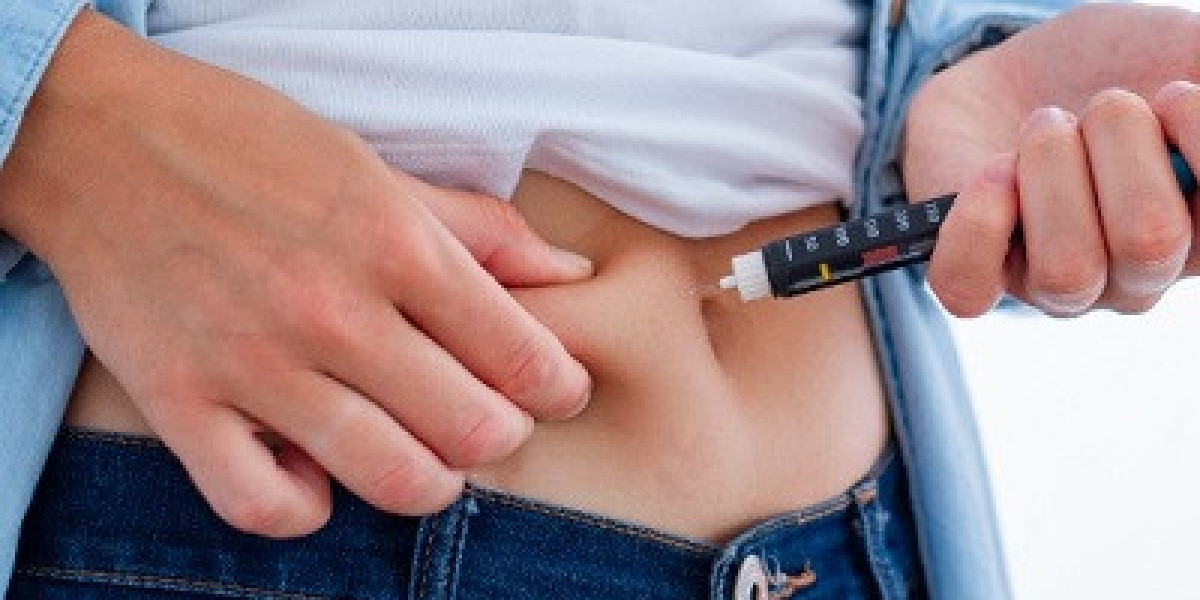

Stubborn pockets of fat can be frustrating, especially when they remain despite regular exercise, balanced eating, and a healthy lifestyle. Certain areas of the body, such as the chin, abdomen, thighs, and flanks, may be more resistant to traditional weight-management efforts. For individuals looking to improve specific body contours without undergoing surgery, injectable fat-reduction treatments have become an increasingly popular cosmetic option.
Fat Melting Injections are non-surgical cosmetic treatments designed to target localised fat deposits in selected areas of the body. Depending on the product used, these injections contain substances that help break down fat cells, allowing the body to gradually process and eliminate the affected cellular material. Understanding how these treatments work, what results to expect, and who may benefit from them can help individuals make informed decisions before considering the procedure.
1. What Are Fat Melting Injections?
Fat melting injections are injectable cosmetic treatments designed to reduce small, localised areas of unwanted fat. They are generally intended for individuals who are close to their desired body weight but struggle with specific fat deposits that do not respond easily to lifestyle changes.
Unlike traditional weight-loss methods, which aim to reduce overall body weight, injectable fat-reduction treatments focus on improving the appearance of particular areas.
The active ingredients vary depending on the formulation and the treatment area. One commonly used ingredient is deoxycholic acid, a substance that naturally occurs in the body and helps break down dietary fat during digestion.
In certain approved injectable formulations, deoxycholic acid works by disrupting the membranes of fat cells in the targeted area. Once these cells are damaged, the body gradually processes and clears the cellular debris through its natural inflammatory and waste-removal mechanisms.
Other products marketed as fat-dissolving injections may contain different ingredients. Their mechanisms, evidence, safety profiles, and regulatory approvals can vary significantly.
Common treatment areas may include:
Double chin or submental fat.
Small pockets of abdominal fat.
Flanks or love handles.
Inner and outer thighs.
Upper arms.
Certain localised fat deposits around the body.
However, not every injectable formulation is approved or scientifically established for every body area. Treatment suitability depends on the specific product, its authorised use, and individual anatomy.
2. How Do Fat Melting Injections Actually Work?
The process behind fat melting injections involves targeting fat cells directly rather than simply reducing the amount of fat stored throughout the body.
For treatments containing deoxycholic acid, the active ingredient damages the cell membranes of fat cells in the injection area. This process is known as adipocytolysis.
Once the fat cells are disrupted, their contents and cellular remains are gradually cleared by the body's natural biological processes.
The treatment generally works through several stages.
Step 1: Assessment of the targeted fat
Before treatment, the selected area is examined to determine whether the fullness is caused by localised fat. This is important because skin laxity, muscle structure, swelling, and other anatomical factors can also affect body contours.
Step 2: Preparation of the treatment area
The treatment area is cleaned, and the injection points are identified. Depending on the product and treatment location, a topical or other form of local anaesthesia may be considered to improve comfort.
Step 3: Injection of the active ingredient
The selected formulation is administered into the appropriate tissue using carefully planned injection points. The depth, amount, and distribution depend on the product's instructions and the treatment area's anatomy.
Step 4: Breakdown of targeted fat cells
The active ingredient affects the membranes of fat cells in the treated area. This triggers a local inflammatory response as the body begins processing the damaged cells.
Step 5: Natural removal of cellular material
The body gradually clears the damaged cellular material through its normal biological processes. Changes in the appearance of the treated area become noticeable over time rather than immediately.
An important point is that fat melting injections do not simply cause fat to disappear instantly. The body needs time to respond to the treatment and process the affected tissue.
3. Which Areas of the Body Can Fat Melting Injections Treat?
Fat melting injections are generally used for small, localised fat deposits rather than extensive areas of body fat. The treatment area depends on the specific injectable product and whether it has been approved for that particular use.
Some commonly discussed areas include:
Double chin
The area beneath the chin is one of the best-known treatment locations for injectable fat reduction. Certain deoxycholic acid formulations are specifically approved in some countries for improving the appearance of moderate to severe submental fat in adults.
The treatment can help create a more defined jawline by reducing the appearance of fullness beneath the chin.
Abdominal fat
Some individuals experience small, stubborn fat deposits around the abdomen. Although injectable treatments are marketed for this area, evidence and regulatory approval vary. Not every fat-dissolving product is suitable or authorised for abdominal treatment.
Thigh fat
Localised fat around the inner or outer thighs can influence body proportions. Injectable fat-reduction treatments may be marketed for these areas, but their safety and effectiveness depend on the formulation and anatomical location.
Upper arms
Small pockets of fat around the upper arms may contribute to a fuller appearance. However, individuals with significant loose skin may not achieve the desired results through fat reduction alone.
Flanks and love handles
The sides of the waist are another area where localised fat can be noticeable. Suitability for injectable treatment requires careful assessment because the area may contain larger fat deposits than those appropriate for injection-based procedures.
It is important to distinguish between treatments supported by strong clinical evidence and products promoted for broader cosmetic applications. An appropriately qualified healthcare professional can explain which areas can be treated safely with a particular formulation.
4. What Results Can Individuals Expect From Fat Melting Injections?
The results of fat melting injections depend on several factors, including the active ingredient, treatment area, amount of localised fat, number of sessions, and individual response.
Unlike surgical fat-removal procedures, injectable treatments generally produce gradual changes. The body requires time to clear the affected cellular material, so improvements may develop over several weeks.
Individuals may notice:
Reduced fullness in the targeted area.
Improved definition around the treated region.
A more refined appearance of the chin or jawline when treating submental fat.
Changes in the contour of the treated area.
Gradual improvement after completing the recommended treatment course.
Multiple sessions may be required depending on the product and the desired outcome. For example, approved deoxycholic acid treatment for submental fat may involve several sessions spaced apart to allow recovery and assessment.
However, results are not identical for everyone. Some individuals respond more noticeably than others, while certain fat deposits may not be suitable for injectable treatment.
It is also important to understand that fat melting injections are not intended for general weight loss. They do not replace healthy eating, regular physical activity, or medical treatment for obesity.
The treatment is best understood as a localised body-contouring option rather than a solution for reducing overall body weight.
5. Are Fat Melting Injections Safe? Possible Side Effects and Risks
Safety is one of the most important considerations when exploring injectable fat-reduction treatments.
Like other cosmetic procedures, fat melting injections can cause side effects. Some reactions are expected as part of the local inflammatory response, while others may indicate a complication that requires medical attention.
Common temporary side effects can include:
Swelling around the injection area.
Redness and tenderness.
Bruising.
Mild pain or discomfort.
Numbness.
Firmness or small areas of tissue hardening.
Temporary itching.
These effects may improve as the treated area heals. The duration and intensity vary depending on the formulation, treatment location, and individual response.
Certain complications can be more serious. With deoxycholic acid injections used beneath the chin, recognised risks include:
Nerve injury: Damage to a nearby nerve can cause temporary or, in some cases, longer-lasting weakness of facial muscles, including an uneven smile.
Difficulty swallowing: Swallowing problems can occur following treatment in the submental area and require medical assessment.
Skin injury: Incorrect injection placement or inappropriate product use may cause tissue damage, including skin ulceration or necrosis.
Infection: As with other injections, infection is possible if appropriate hygiene and sterile techniques are not maintained.
Uneven results: Differences in fat distribution, injection placement, or individual healing can lead to irregular contours.
The risks depend heavily on the product and the treatment area. Products that are not appropriately authorised, inadequately studied, or administered by unqualified individuals can carry additional risks.
For this reason, treatment should only be considered after an appropriate medical assessment using a product with a suitable safety and regulatory profile.
6. Who Is a Suitable Candidate for Fat Melting Injections?
Fat melting injections are generally intended for adults who have relatively stable body weight and want to address specific areas of localised fat.
A suitable candidate may have:
Small, noticeable fat deposits in a targeted area.
A relatively stable weight.
Realistic expectations about the results.
Good general health.
An understanding that several sessions may be required.
No medical or anatomical factors that make the treatment unsuitable.
However, the procedure is not appropriate for everyone.
Individuals with significant skin laxity may require a different approach because reducing fat without addressing loose skin could make the area appear less firm.
Similarly, individuals with extensive fat deposits may benefit more from other medically appropriate weight-management or body-contouring options.
Pregnant or breastfeeding individuals should avoid elective fat-dissolving treatments unless their healthcare professional has specifically assessed the circumstances and provided appropriate guidance.
People with active infections, certain medical conditions, allergies to product ingredients, or previous complications from injectable treatments may also need to avoid the procedure.
A thorough consultation is essential before treatment. The assessment should include medical history, examination of the targeted area, discussion of expected results, and a clear explanation of possible side effects.
Frequently Asked Questions (FAQs)
1. How long do fat melting injections take to show results?
Results generally develop gradually rather than immediately. The body needs time to process and remove the affected fat cells. Some individuals may notice improvements within several weeks, while others require multiple treatment sessions before seeing noticeable changes.
2. Are fat melting injections a permanent fat-reduction treatment?
When an appropriate deoxycholic acid treatment destroys fat cells in the targeted area, those cells do not regenerate. However, remaining fat cells can still enlarge if an individual gains weight. Therefore, maintaining a stable weight is important for preserving results.
3. How many fat melting injection sessions are required?
The number of sessions depends on the treatment area, the specific formulation, the amount of localised fat, and the individual's response. Certain approved submental treatments may require multiple sessions. The appropriate schedule should follow the product's prescribing information and professional assessment.
4. Do fat melting injections help with overall weight loss?
No. Fat melting injections are designed to target selected areas of localised fat rather than reduce overall body weight. Individuals seeking general weight loss should consider evidence-based nutrition, physical activity, and appropriate medical weight-management options.
5. Are fat melting injections painful?
Some discomfort may occur during and after treatment. Individuals can experience temporary stinging, tenderness, swelling, or bruising. The level of discomfort depends on the formulation, injection area, and personal sensitivity.
6. Can fat melting injections tighten loose skin?
Fat melting injections primarily target fat cells and are not designed to tighten loose skin. Individuals with significant skin laxity may need a different cosmetic approach. A professional assessment can help determine whether fat reduction alone is likely to achieve the desired appearance.
Final Thoughts
Fat melting injections offer a non-surgical approach to reducing selected pockets of localised fat. By targeting fat cells and allowing the body to gradually process the affected cellular material, certain formulations can help improve the appearance of specific areas, particularly beneath the chin.
However, their effectiveness and safety depend on the active ingredient, treatment location, product approval, and individual suitability. They are not a replacement for weight-loss programmes or healthy lifestyle habits.
Anyone considering this treatment should seek a thorough assessment, understand the possible risks, and choose an appropriately qualified healthcare professional. With realistic expectations and the right treatment approach, individuals can make more informed decisions about their body-contouring goals.
Read More About Fat Melting Injections: https://panchit.com/blogs/149339/Is-Weight-Loss-Permanent-After-Using-Saxenda-Injections








