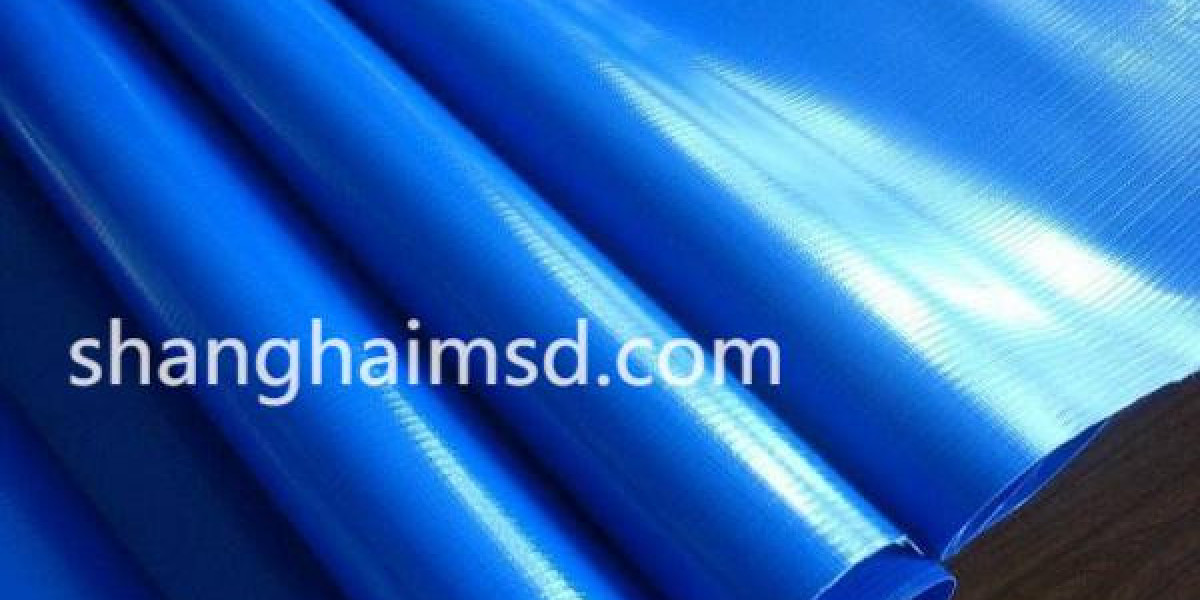

In a market where product appearance, material performance, and processing flexibility all influence purchasing decisions, PETG Film from ShanghaiMsd offers manufacturers an adaptable material option for various commercial and industrial applications. Its combination of transparency, formability, and practical processing characteristics makes it suitable for projects that require both functional performance and an attractive visual finish. As businesses continue to refine their products and production methods, selecting an appropriate film material becomes an important part of developing reliable solutions.
One appealing characteristic of this material is its clear appearance. Transparency allows manufacturers to create products where visibility plays an important role, making it useful for packaging components, protective surfaces, display products, and decorative applications. A clean visual presentation can help customers see product details while maintaining a neat and professional appearance. For businesses working with consumer-facing products, material clarity can contribute to the overall design experience.
Processing flexibility is another consideration for manufacturers. Different production projects may require cutting, shaping, thermoforming, or other fabrication techniques. A suitable plastic film should work with the intended manufacturing process while maintaining the appearance and structural characteristics required by the finished product. This flexibility gives designers and production teams more room to consider different shapes, surface treatments, and product configurations.
Material selection also involves balancing appearance with everyday usability. Depending on the intended application and material specifications, manufacturers may consider factors such as surface condition, thickness, rigidity, forming behavior, and compatibility with additional processing requirements. Evaluating these characteristics before production helps businesses select materials that correspond with their technical expectations and final product designs.
In packaging applications, transparent materials can support product presentation while providing a practical structure for packaging development. In advertising and display manufacturing, their visual properties can help create attractive presentation components. Industrial fabricators may also consider them for formed parts, protective elements, and customized components. Each application has its own requirements, so choosing the appropriate material grade and processing method remains essential.
For manufacturers, communication with a material supplier is an important part of the purchasing process. Clear discussions about application conditions, processing equipment, finished product requirements, and customization expectations can help establish a more suitable material solution. Samples and technical specifications can also assist production teams in evaluating whether a particular option meets their project requirements before moving into larger-scale manufacturing.
As product development continues to bring together practical engineering and visual creativity, versatile film materials remain relevant across a range of industries. Businesses that pay attention to material selection can create more informed production plans, improve design coordination, and respond to changing customer expectations with greater confidence.
Every manufacturing project begins with an idea, but the right material can help turn that idea into a finished product. If you are planning a new packaging concept, developing formed components, or searching for a suitable film material for your next project, take a moment to visit https://www.shanghaimsd.com/product/ . Browse the website, view the available material solutions, and open the door to fresh possibilities for your next manufacturing design.








