
In an era where online games constantly track players through battle passes and seasonal challenges, Diablo II: Resurrected operates on an older, more fragile system: trust. The game's economy and social fabric are built entirely on the goodwill of strangers. When you trade a high-level rune for an item, there is no auction house verifying the transaction. When you enter a Baal run with three other players, there is no automated matchmaker ensuring they will not loot your dropped items. The entire multiplayer experience rests on a social contract that has somehow survived for two decades.
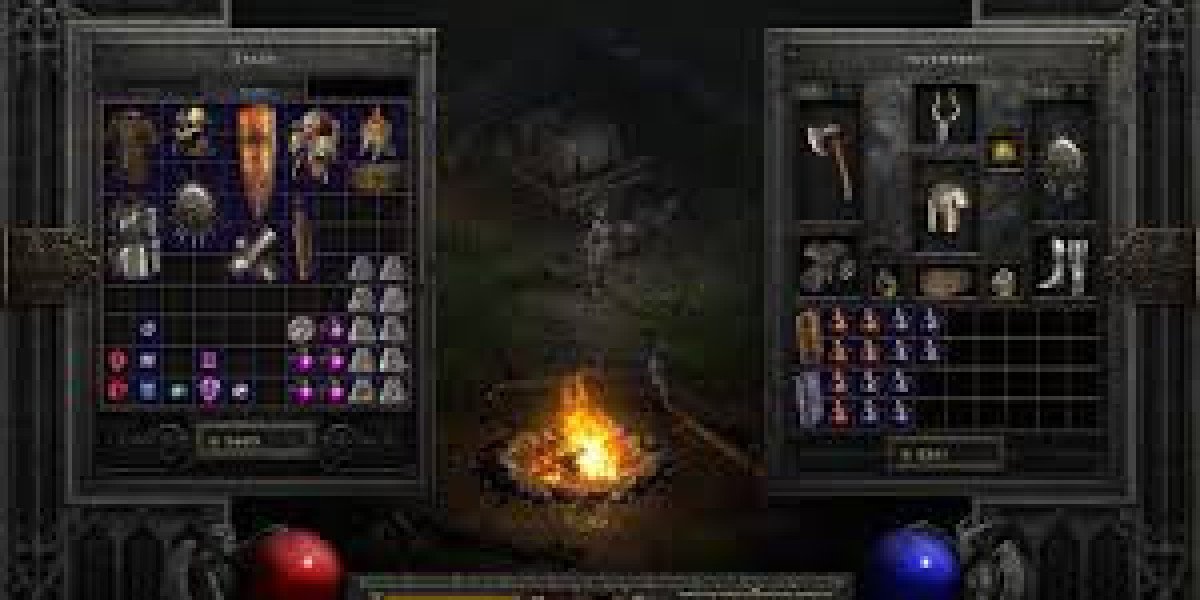
This trust economy is most visible in the trading channels. Players gather in digital town squares, spamming their offers in the hope of finding a match. The currency of this economy is not gold, which becomes nearly worthless by late game, but rather high-level runes and perfect gems. These items function as a decentralized monetary system, with Ber and Jah runes serving as the equivalent of hundred-dollar bills. The value of items fluctuates based on community consensus, patch changes, and the constant influx of new loot from thousands of farming runs.
What makes this system remarkable is its complete lack of official oversight. Scamming is possible. It happens. Yet the community persists, developing elaborate rituals to protect themselves. Players drop items on the ground in designated trade zones, counting on the honor system to complete the exchange. They use third-party forums to establish price guides. They remember usernames, sharing warnings about bad actors. In Diablo II: Resurrected, reputation is a tangible asset, earned through countless honest transactions.
The keyword that underpins this entire structure is loot. Everything players do—every Baal run, every cow level, every Lower Kurast chest—is aimed at acquiring items that hold value not just for their stats, but for their tradability. A perfect roll on a unique item can fund an entire character. A lucky rune drop can unlock builds that were previously inaccessible. The hunt for loot creates a shared language and a shared economy that binds the community together across continents and languages.
The remaster's introduction of cross-progression has only expanded this economy. Players on console can now trade with players on PC, pooling the resources of previously isolated communities. The shared stash makes transferring wealth between characters seamless, encouraging more active participation in the trading scene. Yet the fundamental dynamic remains unchanged. You still need to trust the person on the other side of the screen.
This reliance on trust gives diablo2 resurrected a human warmth that modern matchmade games often lack. Every trade is a social interaction. Every Baal run is a temporary alliance. The game forces players to acknowledge each other as people, not just matchmaking placeholders. In a world increasingly dominated by automated systems, Sanctuary stands as a reminder that some things work better when left in human hands. The currency of trust may be fragile, but after twenty years, it has proven surprisingly durable.