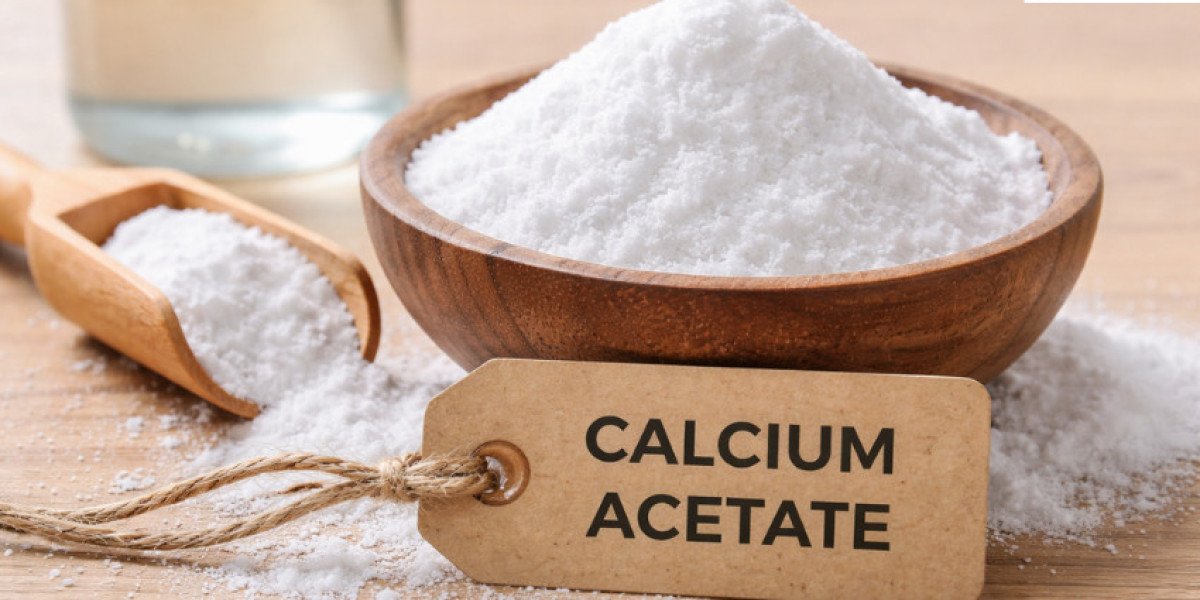

The global Calcium Acetate Prices landscape has witnessed noticeable fluctuations over recent years, influenced by shifting supply dynamics, feedstock cost movements, and evolving demand from pharmaceutical, food preservation, and industrial sectors. Calcium acetate is widely used as a food additive, pharmaceutical ingredient, and chemical intermediate, making it a vital compound across several industries. As global supply chains adjust to changing economic conditions and manufacturing costs, the latest developments in the calcium acetate market reveal important insights into pricing patterns and future expectations leading toward 2026.
The Calcium Acetate Price Trend reflects the interaction between raw material costs, inventory levels, production capacity, and downstream demand. Industry analysts closely monitor these factors to understand how market conditions will shape price movements over the coming years. Meanwhile, the Calcium Acetate Price Market Demand continues to grow steadily due to the compound’s increasing use in pharmaceuticals, food processing, and chemical manufacturing.
Overview of Calcium Acetate and Its Industrial Applications
Calcium acetate is an inorganic salt commonly produced by reacting calcium carbonate or calcium hydroxide with acetic acid. It is widely used in pharmaceutical formulations, food preservation, and industrial applications due to its buffering properties and ability to regulate calcium levels.
Key applications of calcium acetate include:
Pharmaceutical industry: Used as a phosphate binder to treat hyperphosphatemia in patients with kidney disease.
Food industry: Functions as a preservative and stabilizing agent.
Chemical manufacturing: Used as a precursor in chemical reactions and as a catalyst.
Industrial processing: Applied in textile finishing and environmental treatment processes.
These diverse applications ensure consistent demand for calcium acetate across global markets, which directly influences Calcium Acetate Prices.
Latest Global Calcium Acetate Prices Market Overview
The latest market data shows that Calcium Acetate Prices have fluctuated across different regions due to changing feedstock costs, inventory conditions, and supply-demand imbalances. For example, in the Asia-Pacific region, the average calcium acetate price in China during the quarter ending December 2025 was approximately USD 820 per metric ton (FOB Shanghai).
During the same period, price movements were affected by rising feedstock costs such as glacial acetic acid and increasing utility expenses, which raised production costs for manufacturers.
Despite these cost pressures, the market remained relatively balanced due to stable demand from pharmaceutical and food sectors. The Calcium Acetate Price Trend in many regions showed moderate fluctuations rather than extreme volatility.
Industry forecasts suggest that prices could experience modest growth in early 2026, driven by restocking activities and continued export demand.
Regional Analysis of Calcium Acetate Prices
Asia-Pacific
The Asia-Pacific region is a major production hub for calcium acetate, with China serving as one of the largest exporters. In recent quarters, Calcium Acetate Prices in the region have experienced mixed trends due to fluctuations in raw material costs and shifting demand patterns.
During the third quarter of 2025, calcium acetate prices in China averaged around USD 882 per metric ton, reflecting weaker demand and elevated inventory levels at the time.
The price decline was primarily driven by:
High inventories among producers
Reduced overseas orders
Lower raw material costs for acetic acid and calcium carbonate
However, the Calcium Acetate Price Trend later stabilized as pharmaceutical demand improved and export inquiries increased.
In some periods, supply limitations and strong industrial demand have also pushed prices upward. Market reports indicate that production challenges and international trade uncertainties can tighten supply and support higher prices in the region.
Europe
In Europe, the calcium acetate market is largely import-driven, with much of the supply coming from Asia. The Calcium Acetate Prices in Europe have remained relatively stable due to sufficient inventory levels and steady import flows.
During recent quarters, prices softened slightly because of lower import costs and stable logistics conditions. Buyers in Europe often adopt cautious procurement strategies, purchasing only what is needed in the short term to avoid inventory risks.
Nevertheless, pharmaceutical and food preservation sectors continue to provide consistent demand, preventing significant price declines. The Calcium Acetate Price Market Demand remains stable in Europe as these industries maintain steady consumption.
North America
North America also relies heavily on imported calcium acetate, particularly from Asian suppliers. Market conditions in the region have been influenced by import pricing, freight costs, and distributor inventory levels.
Recent data suggests that the Calcium Acetate Price Trend in the United States experienced mild downward pressure due to easing upstream costs and improved shipping schedules.
However, stable demand from pharmaceutical manufacturers and food processors has helped maintain a balanced market environment. Distributor inventories covering approximately five to six weeks of supply also limited aggressive price increases.
Overall, the North American market continues to exhibit moderate price movements rather than sharp fluctuations.
Track Real Time Price of Calcium Acetate
https://www.chemanalyst.com/ChemAnalyst/PricingForm?Product=Calcium%20Acetate
Key Factors Influencing Calcium Acetate Prices
Several factors influence global Calcium Acetate Prices, ranging from feedstock costs to supply chain conditions.
Raw Material Costs
The production of calcium acetate depends on feedstocks such as acetic acid and calcium carbonate. Changes in the prices of these materials directly affect manufacturing costs and market pricing.
When feedstock prices rise, producers often increase selling prices to maintain profit margins. Conversely, lower raw material costs can lead to price declines.
Supply Chain Conditions
Supply chain disruptions, including transportation delays and factory shutdowns, can significantly influence the Calcium Acetate Price Trend. Environmental inspections, plant retrofits, and logistical challenges may reduce supply and increase market prices.
On the other hand, high production levels and excess inventories can place downward pressure on prices.
Industrial and Pharmaceutical Demand
Demand from pharmaceutical companies, food manufacturers, and industrial users is another key factor shaping the Calcium Acetate Price Market Demand.
Calcium acetate is widely used as a pharmaceutical excipient and food additive, ensuring consistent demand even during periods of economic uncertainty.
Export Activity and Global Trade
Export demand also plays a crucial role in determining price movements. Increased international demand for calcium acetate can tighten supply in producing regions, leading to higher prices.
Conversely, weak export orders may create oversupply conditions, resulting in price declines.
Supply Dynamics in the Calcium Acetate Market
The global calcium acetate supply chain is concentrated in several key manufacturing regions, particularly in Asia. China and India are major producers, supplying both domestic markets and international buyers.
Production capacity in these regions is influenced by:
Environmental regulations
Raw material availability
Energy costs
Manufacturing efficiency
When production capacity is reduced due to regulatory inspections or plant maintenance, the supply of calcium acetate may tighten, pushing prices upward.
However, stable plant operations and improved logistics can ensure consistent supply and moderate price volatility.
Global Calcium Acetate Price Market Demand
The Calcium Acetate Price Market Demand is expected to remain strong in the coming years due to expanding pharmaceutical and food industries.
Several key trends are driving demand growth:
Growing pharmaceutical production – Increasing demand for medications and supplements supports calcium acetate consumption.
Rising food preservation needs – Calcium acetate is widely used as a stabilizer and preservative in food processing.
Industrial applications – The compound is used in textile treatment, chemical synthesis, and environmental processes.
Healthcare expansion – Rising global healthcare spending is increasing the demand for pharmaceutical ingredients.
These factors collectively contribute to the steady growth of the calcium acetate market.
Calcium Acetate Price Trend Outlook Toward 2026
Looking ahead, the latest forecasts suggest that Calcium Acetate Prices will remain relatively stable with occasional fluctuations depending on supply-demand conditions.
Market analysts expect several factors to shape the Calcium Acetate Price Trend leading up to 2026:
Gradual increase in pharmaceutical demand
Possible supply adjustments due to environmental regulations
Fluctuations in feedstock costs
Expansion of global trade in chemical intermediates
While short-term price corrections may occur due to inventory adjustments or weak demand, long-term growth prospects remain positive.
Future Market Outlook
The calcium acetate market is expected to maintain steady growth over the next few years as industries continue to rely on this compound for multiple applications.
Key trends shaping the future market include:
Expansion of pharmaceutical manufacturing worldwide
Increasing use of food additives in processed foods
Development of advanced chemical manufacturing technologies
Growing demand for cost-effective chemical intermediates
These trends will continue to support the Calcium Acetate Price Market Demand and influence price movements.
Conclusion
The global Calcium Acetate Prices market is influenced by a combination of raw material costs, supply chain conditions, and industrial demand. The latest market data highlights moderate price fluctuations across regions, with Asia-Pacific serving as the primary production hub and Europe and North America relying heavily on imports.
The Calcium Acetate Price Trend reflects changes in feedstock costs, inventory levels, and export demand. Meanwhile, steady consumption from pharmaceutical and food industries ensures stable market demand.
Looking toward 2026, the market outlook remains cautiously optimistic. Although price volatility may occur due to supply adjustments and economic factors, the overall demand for calcium acetate is expected to grow steadily. As a result, the Calcium Acetate Price Market Demand will continue to play a crucial role in shaping the global pricing landscape in the years ahead.