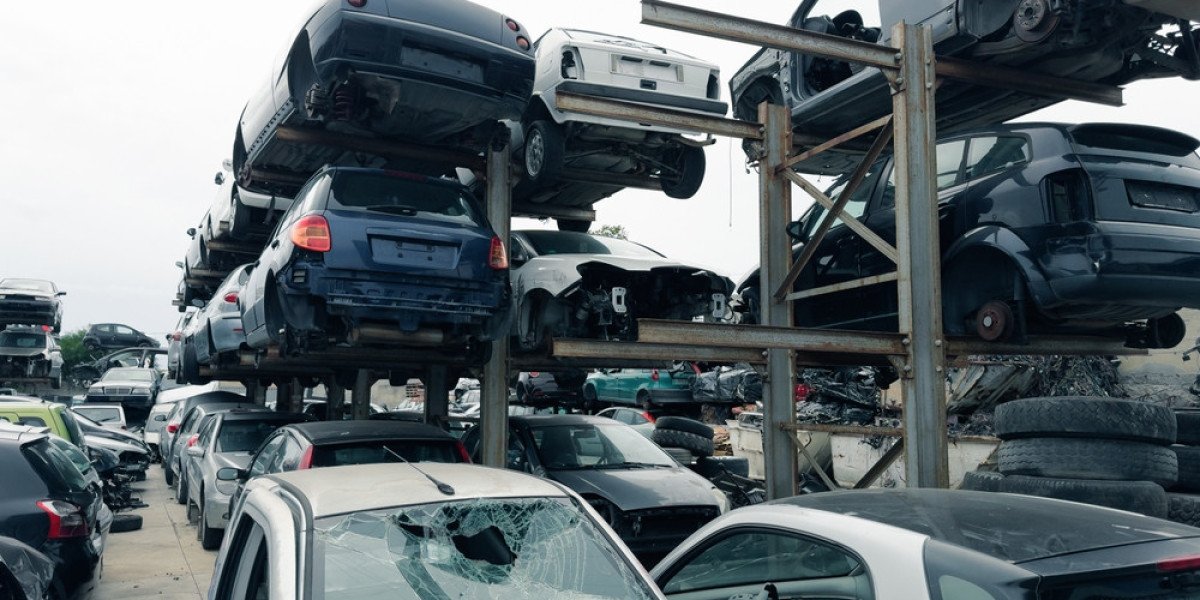

Ever wondered what really happens to junk cars after they're sold as scrap? In Australia, the answer is unclear. Every year thousands of vehicles are scrapped without any record of how or where they were dismantled. This lack of information has caused growing concern about environmental damage, illegal dumping and unregulated scrap activity. With rising discussions about tracking all scrapped cars, it leaves many car owners and car removal Sydney companies to ask what this could mean?
Why Australia wants to track scrapped cars
Australia currently does not have a nationwide system that tracks a vehicle from registration through to scrapping. When a car reaches its end of life, it may be sold for scrapping or dismantled without any proper confirmation of its destruction.
This creates several problems:
Environmental risks: Old junk cars have harmful fluids that can seep into soil and groundwater if they are handled improperly.
Illegal dumping and backyard scrapping: Without any proper tracking system vehicles can be dismantled by unlicensed operators leading to unsafe and illegal disposal.
Lack of data: Authorities do not have accurate data on how many cars get scrapped, recycled or end up in landfill.
Industry research shows that Australia generates around 850,000 unwanted cars each year. However, only a portion of these scrap cars are scrapped through licensed scrap yards. Tracking scrapped cars would close this gap and also support Australia's goal of a more circular economy.
What tracking scrapped cars might look like
Tracking junk cars is not about monitoring car owners but rather focuses on what happens when a car becomes unwanted or reaches its end. The goal is to make sure that every vehicle is safely dismantled, scrapped, and recycled. Although there is not a national tracking law yet, few practical steps are being discussed.
Certificates of Destruction (CODs)
It is a formal document given by a licensed scrap yard to the car owner once a car has been scrapped or disposed of. It confirms that the vehicle can no longer be driven or resold. Documents like this are already used in the UK and parts of Europe which helps prevent fraud while making scrapping accountable.
Linking Scrapping with Deregistration
When a car owner cancels a vehicle registration, the vehicle is removed from the TfNSW (Transport for NSW) database. Though it does not guarantee that the vehicle has been safely scrapped, it does act as proof that the unwanted vehicle should not reappear on the roads. It also protects previous owners from any liability.
Reporting by Licensed Scrap Yards
Licensed scrap yards and car removal companies in Sydney may be required to log every vehicle into a central system. This would allow authorities to track the number of cars scrapped, material recovery and compliance across the automotive industry.
When combined these steps may make a transparent, accountable system for end of life vehicles. While the details are still being studied, the direction is clear: proper disposal, better scrapping and recycling outcome, and stronger protection for both car owners and the scrap car industry.
What tracking unwanted cars could achieve
If cars are tracked throughout the whole process of registration to scrapping, it can have some practical outcomes.
It would reduce illegal dumping and unsafe dismantling of scrap cars. Making sure that all vehicles go through approved channels to be officially scrapped.
A national tracking system will make sure that more vehicles pass through licensed scrapping channels, reducing material loss and improving overall recovery rates.
A nationwide car tracking system would help protect both car owners and car removal companies operating in Sydney. Junk cars that are sold to unlicensed scrap yards will be permanently removed from circulation, reducing scams.
Overall, it could bring greater environmental safety, accountability, and consistency to Australia’s ever changing scrap car industry.
What this means for car owners selling to scrap yards
For car owners looking to scrap their junk car, a tracking system can offer clear benefits.
The biggest advantage will be the proof that you no longer own the vehicle. Once an unwanted car is officially recorded as scrapped, you are protected from future fines, tolls or legal issues linked to that car.
The process of selling a scrap car may become more structured. Owners may need to:
Show proof of ownership
Use licensed car removal services
Receive formal disposal paperwork
Tracking also supports responsible disposal. Selling to licensed scrap yards ensures harmful materials are handled properly and recyclable parts are recovered safely. For Sydney residents, these practices are already encouraged and may become the standard.
Impact on the scrap car industry
Tracking may introduce clearer reporting standards for licensed scrap yards which means detailed record keeping.
Illegal and unregulated scrap operators could be reduced.
Legitimate cash for scrap cars and car removal businesses may gain more trust.
Tracking does not automatically reduce cash for cars' payouts.
Better data can support fairer scrap car valuations.
Overall, it is very likely that tracking will professionalise the scrap car industry rather than disrupt it.
Conclusion
In conclusion, Australia’s interest in tracking scrapped cars is driven by practical goals, not control. A national tracking system will reduce illegal dumping and improve car scrapping rates. Choosing a licensed car removal Sydney company and keeping proper records already puts car owners and scrap car businesses ahead of future changes.