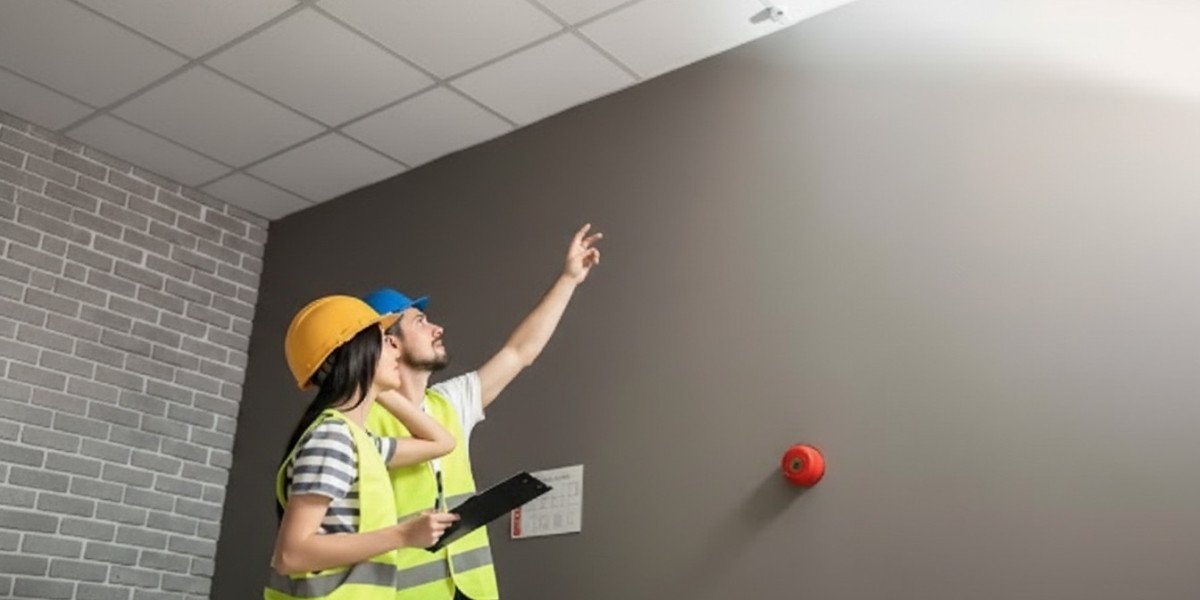

Snagging is an essential process in the property industry that helps buyers, homeowners, and investors ensure that a building meets expected quality standards. Whether a property is newly built, recently renovated, or handed over after construction work, snagging plays a critical role in identifying faults, unfinished tasks, and workmanship issues before they become long-term problems.
At its core, snagging is about attention to detail. It focuses on spotting defects that may not be immediately obvious but can affect safety, functionality, or appearance. These issues are known as snags, and they range from cosmetic imperfections to structural concerns. Carrying out snagging at the right time protects buyers from unexpected repairs and helps maintain the value of the property.
What Is Snagging and Why It Matters
Snagging refers to the inspection process where a property is carefully examined to identify defects, poor workmanship, or incomplete elements. These issues are then recorded in a snagging list, which is shared with the developer, builder, or contractor for correction.
The importance of snagging lies in accountability. It ensures that builders deliver work that meets agreed standards and contractual expectations. Without snagging, minor defects can be overlooked and later turn into expensive repairs. From uneven paintwork to faulty fittings, small issues can significantly impact comfort and usability.
Snagging also offers peace of mind. Buyers gain confidence knowing their property has been thoroughly checked, while developers benefit from clear feedback that allows them to resolve problems efficiently.
When Snagging Should Be Carried Out
The ideal time for snagging is when construction is complete but before final handover or occupancy. This stage allows defects to be fixed without disruption to daily living. However, snagging can also be carried out after moving in, especially if issues were not visible earlier.
In newly built properties, snagging is often performed before final payments are released. This gives buyers leverage to ensure issues are resolved promptly. In renovated or refurbished properties, snagging ensures that the work carried out matches what was promised.
Common Issues Identified During Snagging
Snagging covers a wide range of potential issues across different areas of a property. These can include poor finishes, alignment problems, and functional defects.
Walls and ceilings may show cracks, uneven surfaces, or inconsistent paint finishes. Flooring issues might include gaps, loose tiles, or uneven installation. Doors and windows may not close properly, have faulty locks, or show poor sealing.
Electrical and plumbing systems are also a major focus. Loose sockets, non-working switches, leaks, or poor water pressure are common snags. Kitchens and bathrooms often reveal installation issues such as misaligned cabinets, damaged surfaces, or incorrect fittings.
By identifying these problems early, snagging prevents inconvenience and protects the long-term condition of the property.
The Snagging Process Explained
The snagging process begins with a detailed inspection of the property, room by room and system by system. Each defect is noted clearly, often with descriptions that explain the issue and its location. A snagging list is then created, outlining everything that requires attention.
This list is shared with the responsible party, usually the builder or developer. They are expected to address the issues within an agreed timeframe. Once repairs are completed, a follow-up inspection may be carried out to confirm that all snags have been resolved to a satisfactory standard.
Effective communication is key throughout this process. Clear documentation helps avoid disputes and ensures that expectations are understood by all parties involved.
Who Should Carry Out Snagging
Snagging can be done by the property owner, but professional snagging inspectors bring expertise and experience that many buyers lack. Professionals know where defects commonly occur and can identify issues that are easily missed by an untrained eye.
A professional snagging inspection is particularly valuable for large or complex properties. It saves time, reduces stress, and ensures a thorough evaluation. However, even homeowners who choose to inspect themselves can benefit from understanding common snagging issues and taking a methodical approach.
Benefits of Snagging for Buyers and Developers
For buyers, snagging provides protection. It ensures that the property they receive is safe, functional, and finished to a high standard. It also helps avoid unexpected costs and inconvenience after moving in.
Developers benefit from snagging by maintaining reputation and customer satisfaction. Addressing defects early reduces complaints and potential legal disputes. It also allows developers to improve quality control and refine construction processes.
Snagging creates a transparent process where expectations are clearly defined and met, benefiting everyone involved.
Snagging in New Builds Versus Existing Properties
In new builds, snagging focuses heavily on construction quality and finishing details. Since everything is newly installed, defects are often related to workmanship or rushed completion.
In existing properties, snagging may overlap with general inspections. The focus shifts toward identifying wear, incomplete renovations, or issues arising from recent repair work. While the scope may differ, the goal remains the same: identifying problems before they escalate.
FAQs About Snagging
What does snagging mean in property terms
Snagging means inspecting a property to identify defects, unfinished work, or poor workmanship so these issues can be fixed before final acceptance.
Is snagging only for new homes
No, snagging can be carried out on new builds, renovated properties, and even recently repaired homes to ensure work meets expected standards.
Can snagging prevent future repair costs
Yes, by identifying issues early, snagging helps prevent small defects from turning into costly long-term repairs.
Do buyers need professional snagging services
While not mandatory, professional snagging services offer expertise and thorough inspections that many buyers find valuable.
What happens after a snagging list is created
The snagging list is shared with the builder or contractor, who is responsible for fixing the identified issues within an agreed timeframe.
Conclusion
Snagging is a vital step in the property buying and building journey. It ensures quality, accountability, and peace of mind by identifying defects before they become serious problems. Whether carried out by professionals or property owners themselves, snagging protects investment value and improves living standards.
By understanding the snagging process and its benefits, buyers and developers alike can approach property handovers with confidence. A thorough snagging inspection leads to better outcomes, fewer disputes, and properties that truly meet expectations.