
The Role of Shame in Educational Equity
Schools are meant to be places of growth, belonging, and intellectual curiosity. Yet for many students — particularly those from marginalized backgrounds — school can become a space where emotional safety is uncertain. When students feel misunderstood, embarrassed, or judged, learning shuts down. Instead of engagement, they react with withdrawal, avoidance, or defiance. Understanding emotional responses in classrooms is therefore not just a counseling concern; it is a core educational equity issue.
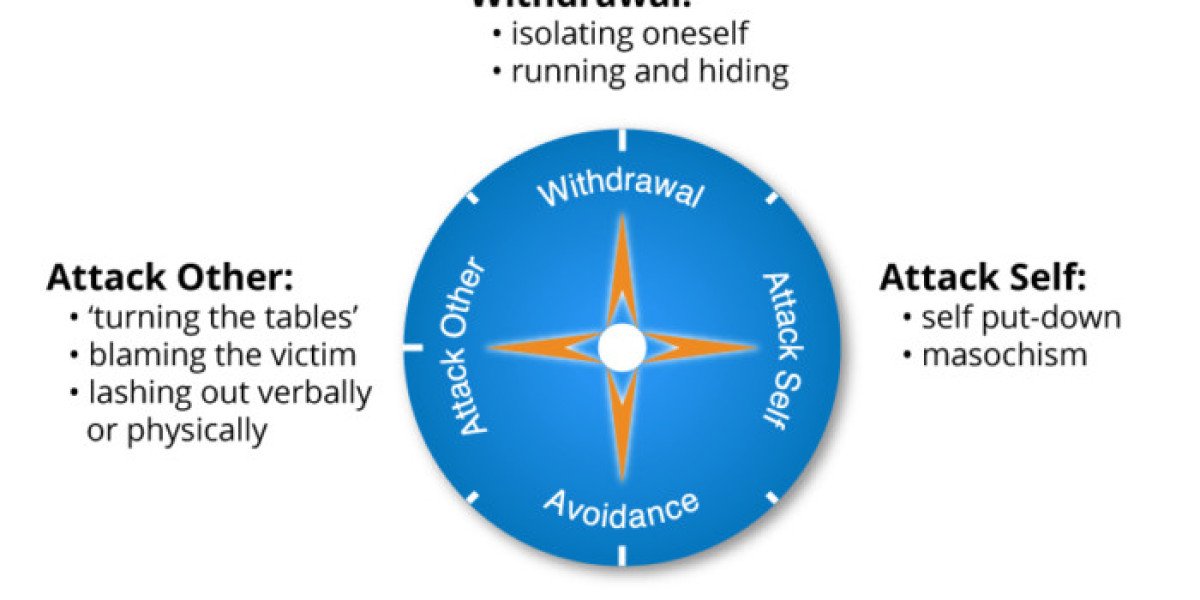
The compass of shame explains how students respond when they feel exposed, criticized, or devalued. Rather than processing embarrassment constructively, students typically move toward one of four reactions: withdrawal, attack self, avoidance, or attack others. In classrooms, this may appear as silence, refusal to work, joking to distract attention, or disruptive behavior. What often looks like disrespect is actually emotional self-protection.
Cultural Identity and Emotional Safety
Educators working toward equity must recognize that shame is shaped by culture, identity, and belonging. Many students navigate environments where their language, traditions, or family experiences are underrepresented. This is why culturally grounded frameworks such as the kwanzaa nguzo saba matter in education — they reinforce dignity, unity, responsibility, and collective growth. When students see their values reflected in learning spaces, emotional defensiveness decreases.
In culturally responsive classrooms, discipline shifts from punishment to understanding. Instead of asking “Why did you misbehave?” teachers ask “What happened to you?” This subtle change opens the door to connection rather than conflict.
Understanding Values Before Correcting Behavior
To build emotional trust, educators must understand student identity systems. Many teachers ask, what is the nguzo saba, without realizing its relevance to behavior support. The Nguzo Saba principles — unity, self-determination, collective work, cooperative economics, purpose, creativity, and faith — align closely with restorative practices used in modern classrooms.
When students feel they belong to a shared purpose, they are less likely to act defensively. Misbehavior often decreases not because rules became stricter, but because dignity increased. Equity begins with emotional recognition.
Why Behavior Plans Often Fail
Traditional discipline systems focus on consequences. Detention, suspension, or removal may temporarily stop behavior but rarely address emotional triggers. Organizations such as akoben llc emphasize that repeated discipline without emotional context reinforces shame cycles. Students learn they are “bad,” not that they made a mistake.
Once labeled, students anticipate rejection and react faster to perceived criticism. This creates a loop:
Student feels exposed
Student reacts defensively
Adult interprets as defiance
Punishment confirms negative identity
Breaking this loop requires understanding emotional patterns, not stronger penalties.
Recognizing the Four Shame Responses
1. Withdrawal
Students avoid participation, put their heads down, or stop attempting work. Teachers may assume laziness, but the student is protecting self-worth.
2. Attack Self
Perfectionism, anxiety, or statements like “I’m stupid” reflect internalized shame. These students often go unnoticed because they are quiet.
3. Avoidance
Humor, distraction, and class clown behavior shift attention away from vulnerability.
4. Attack Others
Arguing, disrespect, or aggression is frequently a defense against embarrassment, not intentional harm.
Moving from Discipline to Restoration
Educators can respond differently once they recognize emotional triggers:
Replace public correction with private conversation
Offer choice instead of commands
Acknowledge feelings before redirecting behavior
Use reflective questions rather than accusations
Small changes dramatically alter student reactions. When dignity is preserved, cooperation increases.
Classroom Strategies That Build Equity
Normalize Mistakes
Students participate more when errors are treated as part of learning rather than evidence of ability.
Teach Emotional Vocabulary
Students who can name feelings regulate behavior more effectively.
Practice Restorative Dialogue
Conflict becomes a conversation instead of a confrontation.
Build Predictable Relationships
Consistency lowers defensive reactions. Students relax when they trust adult responses.
The Connection Between Belonging and Achievement
Academic gaps are often interpreted as skill gaps, but emotional safety frequently drives performance. A student worried about humiliation cannot focus on comprehension. Reducing shame increases engagement, and engagement improves outcomes.
Equity initiatives succeed when they address emotional experience alongside curriculum. Inclusion is not only representation in textbooks — it is the daily experience of respect.
A More Human Approach to Education
Understanding emotional responses transforms teaching. Instead of managing behavior, educators support development. Instead of reacting to disruption, they interpret communication. Instead of labeling students, they build relationships.
Schools that adopt this perspective report fewer conflicts, stronger participation, and improved academic confidence. Students thrive when they feel safe enough to try.
Final Thought
Educational equity is not achieved solely through policy or curriculum. It emerges through human interaction. When teachers recognize shame responses and respond with dignity, classrooms become communities. Learning follows belonging — always.