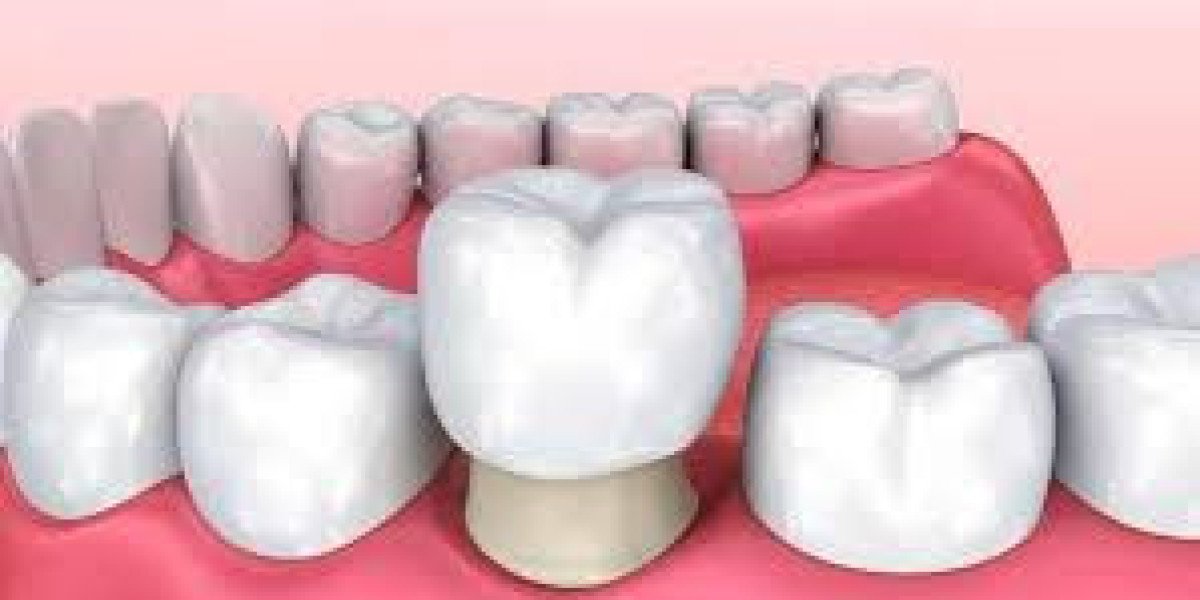

When dealing with tooth decay or damage, one of the most common questions patients ask is: Should I get a filling, or do I need teeth capping? Both treatments are designed to restore damaged teeth, but they serve different purposes depending on the severity of the issue.
Choosing the right dental restoration is essential for long-term oral health, comfort, and durability. In this comprehensive guide, we’ll break down the differences between dental fillings and teeth capping, their benefits, procedures, costs, and how to determine which option is best for your specific condition.
Understanding Tooth Damage and Decay
Teeth can become damaged due to several factors:
Cavities caused by bacterial infection
Cracked or chipped teeth
Worn enamel from grinding
Old or failing restorations
Trauma or injury
The extent of damage determines whether a filling is sufficient or if teeth capping is necessary for complete restoration.
What Is a Dental Filling?
A dental filling is used to repair small to moderate cavities. The dentist removes the decayed portion of the tooth and fills the space with materials such as composite resin, amalgam, or ceramic.
Fillings are ideal for:
Small cavities
Minor tooth damage
Early-stage tooth decay
Preserving most of the natural tooth structure
The procedure is quick, typically completed in a single visit.
What Is Teeth Capping?
Teeth capping, also known as placing a dental crown, involves covering the entire visible portion of a damaged tooth with a custom-made cap. This crown restores the tooth’s strength, shape, and function.
Unlike fillings that repair only a portion of the tooth, teeth capping provides full structural reinforcement. It is recommended when the tooth has lost significant structure or is at risk of breaking.
Key Differences Between Teeth Capping and Dental Filling
Coverage Area
A filling repairs a specific decayed portion of the tooth.
Teeth capping covers the entire tooth surface above the gum line.
Strength and Durability
Fillings are suitable for minor repairs but may not withstand heavy chewing pressure in severely damaged teeth.
Teeth capping offers superior strength and long-term durability.
Procedure Time
Fillings are usually completed in one appointment.
Teeth capping often requires two visits, including preparation and crown placement.
Cost
Fillings are generally less expensive.
Teeth capping costs more but provides greater protection for extensive damage.
Longevity
Fillings typically last 5–10 years.
Teeth capping can last 10–20 years with proper care.
When Is a Filling Enough?
A filling may be sufficient if:
The cavity is small
The tooth structure is mostly intact
There are no cracks extending deep into the tooth
The tooth is not under excessive chewing pressure
In these cases, preserving natural tooth material with a filling is often the best approach.
When Is Teeth Capping Necessary?
Teeth capping becomes the preferred option when:
More than 50% of the tooth structure is damaged
The tooth has a large, old filling
There is a crack or fracture
The tooth has undergone root canal treatment
The tooth is severely worn down
In such cases, a filling alone may not provide sufficient strength, and the tooth could fracture further.
Teeth Capping After Root Canal Treatment
Teeth treated with root canal therapy often require teeth capping. After the pulp is removed, the tooth becomes brittle and prone to cracking. A crown restores stability and prevents breakage.
For molars and premolars especially, teeth capping is strongly recommended following root canal procedures.
Materials Used in Fillings vs Crowns
Filling Materials
Composite resin (tooth-colored)
Amalgam (silver-colored)
Glass ionomer
Crown Materials for Teeth Capping
Porcelain
Zirconia
Metal alloys
Porcelain-fused-to-metal
Crown materials are typically stronger and designed to withstand heavy chewing forces.
Pros and Cons of Dental Fillings
Advantages
Less invasive
More affordable
Quick procedure
Preserves more natural tooth structure
Disadvantages
Limited durability for large cavities
Can weaken over time
May crack or fall out
Pros and Cons of Teeth Capping
Advantages
Full tooth protection
High durability
Restores chewing strength
Long-lasting solution
Improves appearance
Disadvantages
Higher cost
Requires multiple visits
Involves reshaping of the tooth
Despite the drawbacks, teeth capping is often the most reliable choice for moderate to severe damage.
What Happens If You Choose the Wrong Option?
Selecting a filling when a crown is needed may lead to:
Recurrent decay
Tooth fracture
Pain while chewing
Need for emergency dental treatment
On the other hand, choosing teeth capping when a filling would suffice may involve unnecessary cost and tooth reduction. That’s why proper diagnosis is essential.
Signs You Might Need Teeth Capping Instead of a Filling
Consider discussing teeth capping with your dentist if you experience:
Persistent tooth pain
Cracks visible on the tooth
A large portion of the tooth missing
Sensitivity that doesn’t resolve
Repeated filling failures
These signs often indicate structural weakness requiring full coverage protection.
Long-Term Oral Health Considerations
Preserving your natural tooth is always a priority. In many cases, teeth capping helps avoid tooth extraction by reinforcing the damaged structure.
When properly maintained through brushing, flossing, and regular checkups, both fillings and crowns can last many years. However, crowns generally offer superior longevity for heavily damaged teeth.
Cost Comparison
While fillings are initially less expensive, repeated replacements over time can increase costs. Teeth capping, although more expensive upfront, may provide better long-term value by reducing the risk of further complications.
The total cost depends on material choice, tooth location, and overall treatment complexity.
How to Decide What Your Tooth Really Needs
The right treatment depends on:
Size of the cavity
Remaining tooth structure
Location of the tooth
Bite pressure
Aesthetic concerns
Overall oral health
A thorough examination including X-rays helps determine whether a filling or teeth capping is the most suitable option.
FAQs About Teeth Capping and Fillings
Is teeth capping stronger than a filling?
Yes, teeth capping provides full structural support and is stronger for severely damaged teeth.
Can a large cavity be treated with just a filling?
In some cases, yes. However, if the cavity is extensive, teeth capping may be recommended for durability.
How long does teeth capping last compared to fillings?
Fillings last about 5–10 years, while teeth capping can last 10–20 years with proper care.
Does teeth capping require removing more tooth structure?
Yes, some reshaping is necessary to fit the crown securely.
Can I replace a large filling with teeth capping later?
Yes. If a large filling weakens over time, it can be replaced with teeth capping.
Which option looks more natural?
Tooth-colored fillings and porcelain crowns both look natural. However, teeth capping provides better cosmetic enhancement for severely damaged teeth.
Is teeth capping painful?
The procedure is done under local anesthesia, making it generally comfortable.
Final Thoughts
Both fillings and teeth capping play important roles in restorative dentistry. The key difference lies in the extent of damage they address. While fillings are ideal for small cavities, teeth capping offers superior strength and long-term protection for weakened or broken teeth.
If you’re unsure which option is right for you, a professional evaluation can help determine the best course of action. Choosing the correct treatment today can save your tooth and protect your smile for years to come.