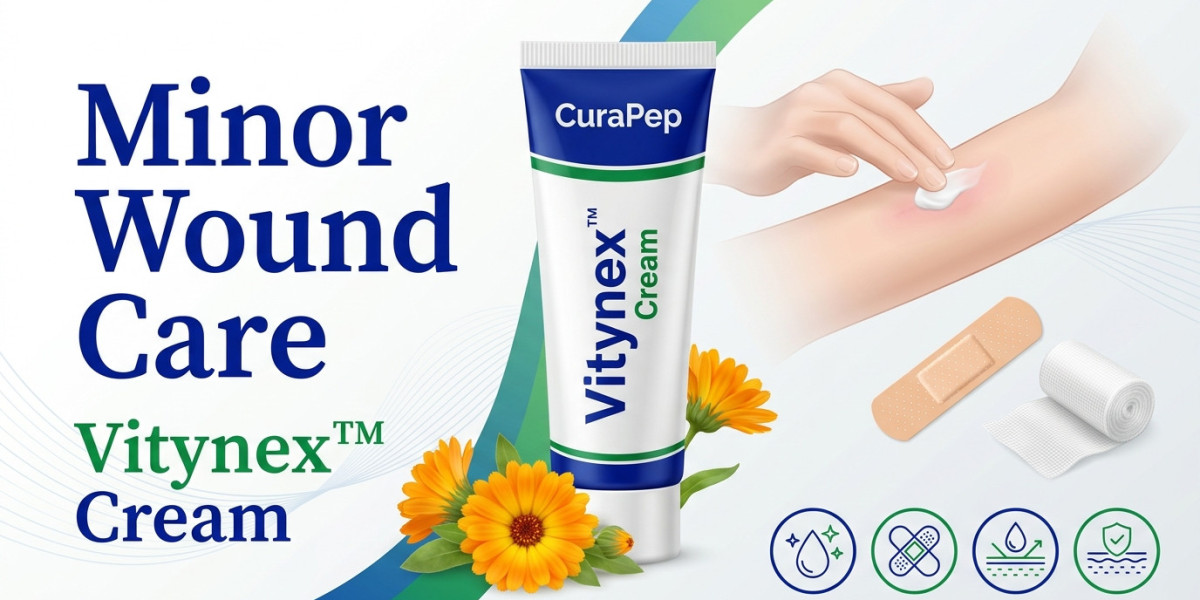

Minor cuts, scrapes, and superficial skin injuries are common parts of everyday life. Although these injuries often heal with appropriate care, keeping the affected area clean and protected is important for supporting the skin’s natural recovery process. Choosing suitable skin healing creams may help maintain moisture and protect the surrounding skin when used according to product directions. Understanding basic wound-care practices can help people make informed decisions and recognize when an injury needs professional medical attention.
Understanding the Basics of Minor Wound Care
Minor wounds can occur during household activities, exercise, gardening, or other everyday tasks. Superficial cuts and scrapes may affect the outer layers of the skin, while more serious injuries can involve deeper tissues and require medical evaluation. Appropriate care begins with assessing the injury and avoiding unnecessary irritation.
Start With Gentle Cleaning
Before applying a topical product, wash your hands thoroughly. Gently rinse a minor wound with clean running water to remove dirt and surface debris. Avoid scrubbing the injured area, as excessive friction can irritate delicate tissue. If debris remains embedded or cannot be removed easily, seek medical advice rather than attempting to dig it out.
Pat the surrounding skin dry with clean material and follow suitable first-aid guidance. Avoid applying household substances or products that are not intended for wound care. A clean environment helps reduce the risk of contamination while the skin begins its natural repair process.
Protect the Affected Area
After cleaning, cover the wound with an appropriate sterile dressing when necessary. A dressing can help protect the area from dirt, friction, and repeated contact with clothing or other surfaces. Change it according to the product instructions or established first-aid guidance, and replace it if it becomes wet or dirty.
Try not to pick at scabs or repeatedly touch the wound. Disturbing the area can delay recovery and may increase irritation. If redness, swelling, pain, or drainage becomes worse, arrange a medical assessment.
Choosing a Suitable Topical Product
Topical products vary in their ingredients, texture, and intended use. The right choice depends on the type of injury, its location, individual sensitivities, and the product’s stated purpose. Not every moisturizer or cosmetic cream is appropriate for an open wound, so read labels carefully and follow the manufacturer’s directions.
Consider the Purpose of the Formula
A cream to heal wounds should be selected according to the type of minor injury and the instructions provided for that product. Some topical formulas are designed to help maintain moisture or protect the skin, while others are intended for different skincare concerns. Check whether the product is suitable for the affected area and whether it can be used on broken skin.
CuraPep’s Vitynex™ Cream is described as a calendula-based topical formula intended for minor wound care. Before using it, review its labeling and directions to determine whether it is appropriate for your particular injury. Stop using a product if it causes irritation or an unexpected reaction, and seek professional advice if symptoms worsen.
Review Ingredients and Product Directions
Look at the ingredient list, intended use, and any warnings before applying a topical formula. People with sensitive skin or known ingredient allergies should take particular care. Natural or plant-derived ingredients are not automatically suitable for everyone, and a product’s suitability depends on its formulation and directions.
Apply only the recommended amount and frequency. Do not combine multiple topical products on the same wound unless a healthcare professional advises you to do so. If you are unsure whether a product is suitable, consult a pharmacist or clinician.
Supporting Skin Recovery With Moisture and Protection
The skin forms a protective barrier that helps limit moisture loss and defend the body from external irritants. During recovery from a minor injury, appropriate protection and moisture management can help support the healing environment. However, wound care should remain gentle, and products should be selected for the specific condition rather than used indiscriminately.
Maintain a Balanced Care Routine
A best cream for healing skin is not necessarily the most expensive product or the one with the longest ingredient list. Instead, look for a formula that is suitable for the skin concern, clearly labeled for its intended use, and compatible with your needs. For an open wound, prioritize products specifically intended for that purpose and follow their directions.
Keep the surrounding skin clean and avoid excessive rubbing, harsh cleansers, and unnecessary exposure to irritating substances. If a dressing is recommended, use one that fits the location and size of the injury. Monitor the wound regularly instead of repeatedly applying different products in an attempt to speed recovery.
Reduce Friction and Repeated Irritation
Minor wounds on hands, feet, knees, or other frequently moving areas can be irritated by daily activities. Wear comfortable clothing and suitable protective coverings when needed. During activities that could reopen or contaminate the wound, take reasonable steps to reduce friction and keep the dressing secure.
Avoid soaking an injury for extended periods unless you have been advised otherwise. Follow guidance on bathing, dressing changes, and returning to physical activity. Healing times differ according to the injury’s depth, location, and the individual’s health, so avoid assuming that every wound will recover at the same rate.
Building a Consistent and Informed Skin-Care Routine
A practical routine can make minor wound care easier to manage. Keep basic first-aid supplies available, including clean dressings and materials for gentle cleaning. Check the condition of the wound each day and note any changes in discomfort, redness, swelling, or discharge.
Choose Products Based on Your Needs
When comparing options, the phrase best healing cream for skin should not be treated as a universal recommendation. Different products are designed for different uses, and a formula suitable for dry, intact skin may not be appropriate for an open injury. Consider the product’s intended use, directions, ingredients, and any relevant warnings before deciding.
For minor wounds, use topical products only as directed and keep the care routine simple. If you have diabetes, circulation problems, reduced sensation, a weakened immune system, or a wound that is not improving, seek medical guidance early. These factors can make seemingly minor injuries more complicated.
Know When to Seek Medical Attention
Home care is not appropriate for every wound. Seek urgent medical assistance for heavy or persistent bleeding, deep or gaping cuts, deep puncture wounds, serious burns, or injuries containing embedded objects. A wound caused by an animal or human bite may also need professional assessment.
Watch for signs that could indicate infection, including increasing redness, warmth, swelling, worsening pain, pus, red streaks, or fever. Do not rely on a topical cream to manage a potentially infected wound. A healthcare professional can assess the injury and advise whether additional treatment is necessary.
Making Thoughtful Choices for Minor Wound Care
Effective minor wound care depends on more than choosing a topical product. Gentle cleaning, suitable dressings, protection from friction, and regular observation all contribute to a sensible routine. The best healing skin cream for an individual depends on the injury, the product’s intended use, and personal sensitivities rather than on marketing claims alone.
CuraPep’s Vitynex™ Cream is a calendula-based option described for minor wound care, but users should always check the product directions and ensure that it is suitable for their specific situation. No topical product can replace professional assessment when a wound is severe, worsening, or showing signs of infection.
By following appropriate first-aid practices, choosing products carefully, and recognizing warning signs, people can make more informed decisions about minor skin injuries. When uncertainty arises, advice from a qualified healthcare professional is the safest way to determine the next step.