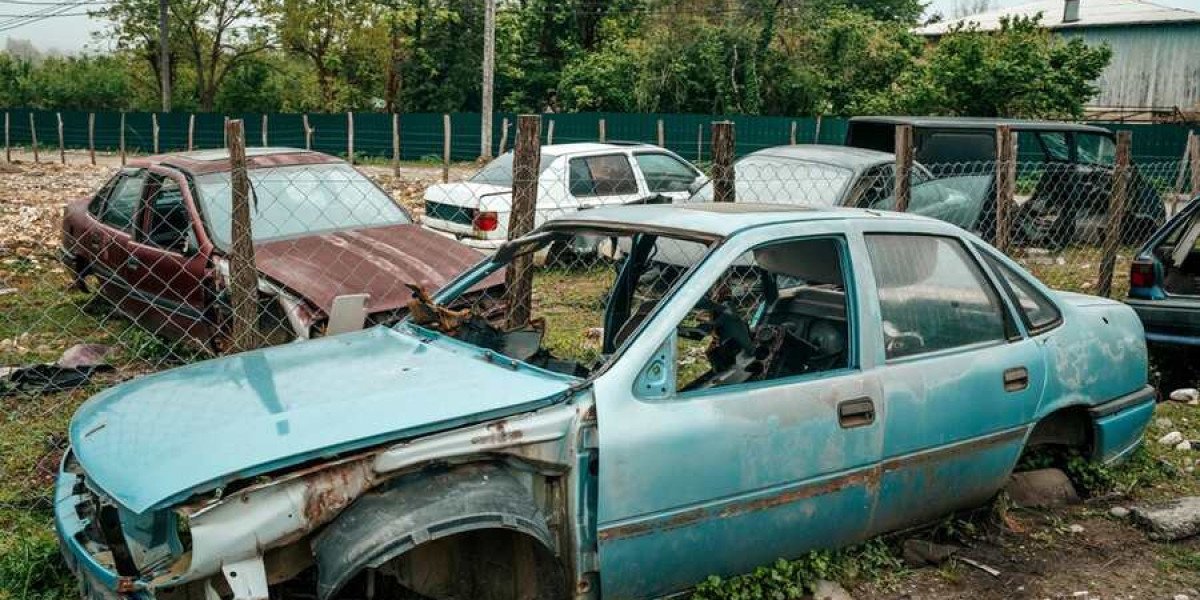

Scrapping an old car in Australia was always a simple and straightforward process. Scrap car removal companies usually collect, dismantle and scrap old used traditional engine cars with low risk or delay. This system worked for many years and scrap yards were built around it.
However, EVs changed this reliable system. With the rise of adaptation to electric cars across Australia, these old procedures are now outdated. The high-voltage EV batteries and the strict safety rules around handling them is changing the scrap industry. This is forcing Australia to rethink if it's prepared to deal with unwanted electric cars in the future.
Why EV numbers are rising in Australia
Australia is moving towards a more sustainable and eco-friendly future with electric vehicle adaptation. Both federal and state governments are pushing for emissions reduction targets with the introduction of NVES (New Vehicle Efficiency Standard). With many forecasts suggesting that the majority of new cars sold could be electric in the next two decades. Increasing consumer demand for vehicles with low running costs and less mechanical failures is also a factor to consider.
However, every vehicle reached the end of its usable life. The electric cars sold today will become scrap cars in the future. This shift and sudden surge in old, used electric cars will impact scrap yards and companies offering car removal Sydney services.
How electric cars differ from traditional scrap cars
For years, scrap yards have been optimised to dismantle traditional petrol and diesel vehicles. Engines, gearboxes, transmissions, exhaust components and metal parts can be removed, resold, scrapped and recycled easily. These components are the reason why most of the value lies in a traditional scrap car.
Electric cars are very different. EVs do have many of these high-value mechanical components. As these cars don't have engines they have batteries. Their most valuable part is the lithium-ion battery. While the battery also has valuable materials, it also introduces major safety, storage and regulatory concerns.
A damaged EV battery can cause fire, electrical dangers and leak harmful fluids. Now, managing the scrapping procedure to deal with these risks and comply with EPA (Environmental Protection Act) laws is important. These reasons affect how scrap yards operate and may reduce the profitability margins of scrapping electric cars.
Are Australian scrap yards ready for EVs?
Yes, but only partially. Most Australian scrap yards are not yet fully equipped to handle electric vehicles at this scale. Many of the scrap yards were built years ago and not really designed for high-voltage lithium-ion batteries.
Important features like fire resistant storage zones and thermal monitoring systems are still uncommon. These are needed when handling damaged EVs that are written-off after accidents.
There is also a lack of skillset. EV dismantling requires special training, tools and proper protective equipment. Without these measures the risk of battery fire or serious injury increases. This is the reason why many old scrap yards refuse to accept EVs.
Lack of tools and trained staff
Most Australian scrap yards were designed for traditional petrol and diesel vehicles. These older scrap yards do not have special tools required for EV scrapping. In order to handle the highly powered lithium-ion batteries, scrap yards need proper trained staff, have special tools and strict procedures about processing damaged batteries. This lack of skills and equipment gap makes many scrap yards reluctant to accept EVs.
Why scrap car removal companies still prefer petrol and diesel vehicles
Higher Value from Reusable Parts
Petrol and diesel vehicles have many valuable reusable components. Engine, gearboxes and catalytic converters can be removed, dismantled and sold quickly. These components have strong demand, they are reusable and are compatible across different vehicles. These parts can be repurposed, resold, and reused quickly which keeps costs lower for mechanics and car owners.
EVs have fewer reusable mechanical parts. Many EV components are software-locked, requiring manufacturer's approval or specific tools to reuse them if they can be reused. This limits electric cars resale value and usefulness to scrap yards.
There are also well established second hand markets for these old car parts. Unlike EV parts, these parts do not need special handling, manufacturers approval, which makes them easier and safer for scrapping.
Faster and Simpler Dismantling
Traditional petrol cars could be dismantled easily using standard tools. This would help scrap yards process high volumes of scrap cars efficiently with low labour costs.
Scrapping EVs is a slow process. Lithium-ion batteries need safety checks, battery isolation and trained staff. In some cases, the battery cannot be scrapped until it's properly checked or removed, which increases the cost.
Lower Safety and Fire Risks
Once all the fluids are drained, petrol cars are relatively low fire risk. Scrap yards are already familiar with used cars risks and have systems in the yard to manage them.
EV batteries introduce new dangers. Lithium-ion batteries can overheat or reignite even days after arrival. The increased insurance risks and forces scrap yards to invest in fire-resistant storage space and monitoring equipment.
Clearer Recycling Pathways
Metal scrapping and recycling for old cars with traditional engines is well established in Australia. Steel and aluminium can be processed without any complex regulations.
EV batteries are classified as harmful waste and require licensed facilities. Limited local capacity means batteries often need long-distance transportation which increases cost compliance.
Why EVs change the scrap car industry
EV Batteries value comes with high responsibility
Although, EV batteries have valuable qualities like lithium, nickel, cobalt which cannot be scrapped like older traditional scrap cars.The cost of safe handling, transportation and compliance costs outweighs any short term profit margins.
Lower returns for scrap car removal companies
Unlike petrol vehicles, EVs may not offer quick resale opportunities for parts. This makes them less attractive to scrap yards and affects cash for cars Sydney services.
Is Australia catching up?
Yes. Australia is making progress by introducing new policies, product stewardship schemes and planned recycling facilities. Ongoing research into second-life battery use and other ways to reuse batteries is expanding.
However, the battery recycling capacity is still limited. So, until the infrastructure upgrades, scrap yards and recyclers will continue to struggle with the growing number of EVs.
Conclusion
Australia is moving towards a more environmentally friendly future, but it's not yet prepared for a world where half of all scrapped cars are electric. Scrap yards and car removal companies were designed to deal with petrol and diesel cars. While these old systems are changing because of electric cars, the progression is slow. So, Australia needs to upgrade its scrapping and recycling systems along with EV adaptation.