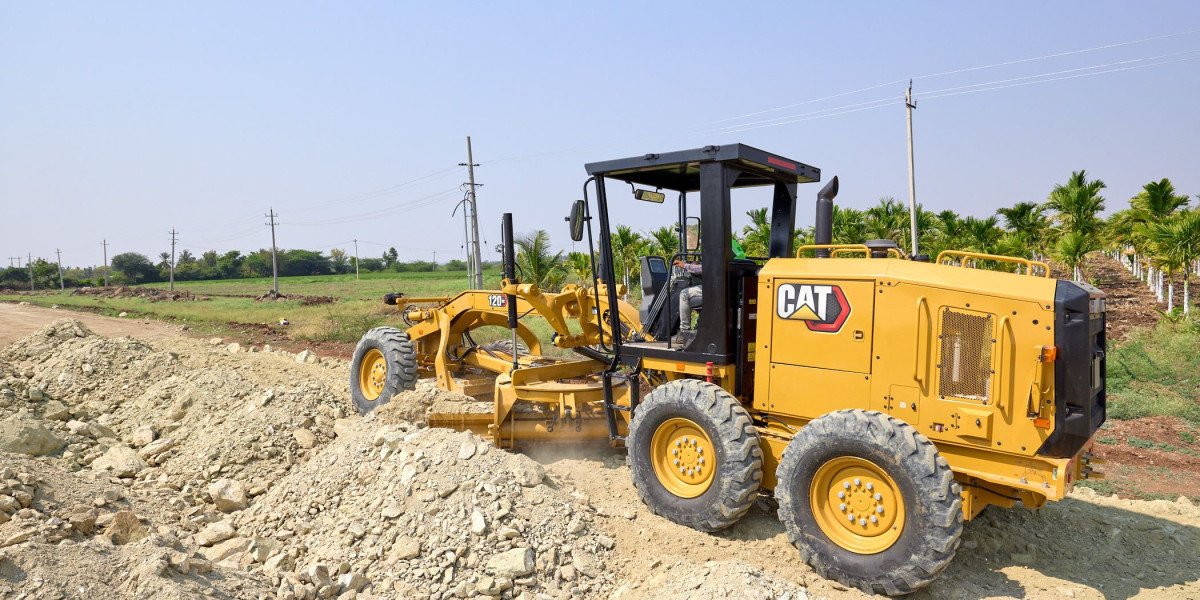

Until hidden wear and mechanical problems make it an expensive mistake, purchasing a used motor grader may appear to be a cost-effective choice. Engine, hydraulic, and articulation joint maintenance costs can reach tens of thousands of dollars, thus any initial savings can be swiftly erased by a single missed inspection.
Although motor graders are precise devices designed to last a long time, hours don't fully capture the picture. Fresh paint or a low-hour meter are not nearly as important as the machine's condition, maintenance history, and usage. Many purchasers are aware that they should examine a used motor grader, but they are unsure of what to look for and which warning indicators are most important.
In this article, we'll dissect,
Checklist for a useful second-hand motor grader examination
Talking about pre-inspection setup
Crucial elements
Risk areas that are ignored
Insights from real-world test drives
Therefore you may avoid expensive surprises and purchase used motor graders for sale with confidence. So let's get started right away.
What Should You Check Before Buying a Used Motor Grader?
Prioritize the following five areas if time is of the essence: moldboard condition, articulation joint wear, hydraulics, engine health, and maintenance history. These factors decide whether buying a used motor grader is a prudent investment or a costly error and account for the majority of unforeseen repair expenditures.
Why a Thorough Used Motor Grader Inspection Matters
Used motor graders are frequently purchased. A single overlooked issue can result in tens of thousands of dollars in repair costs, and even mid-sized graders require a significant capital investment. Major engine or hydraulic repairs may account for as much as 40% of total ownership costs over the machine's lifetime, according to Caterpillar equipment lifecycle studies.
Buyers often overestimate operating hours, according to EquipmentWatch. Although graders typically have a productive life of 12,000 to 15,000 hours, the meter's health and upkeep are far more crucial.
Before You Start: Pre-Inspection Preparation Checklist
Know Your Application
A grader used for municipal road maintenance ages much differently than one used for mining or heavy earthmoving. Always align the machine's previous work with your intended use.
Request Documentation First
Ask for ownership details, rebuild history, service records, and serial number confirmation. Insufficient documentation is not a negotiating advantage, but rather a warning sign.
Cold Inspection vs Warm Inspection
Before turning on the grader, examine it. Warm engines can hide issues including hard starting, injector problems, and excessive blow-by. Although it is important, this step is occasionally disregarded in conflicting instructions.
Inspection Checklist To Buy Used Motor Grader
Engine Inspection: The Heart of the Motor Grader
Start the engine cold and look at how well it starts. Internal degeneration is indicated by excessive white or blue smoke, severe idle, or knocking sounds. Examine the hoses for leaks after checking the oil for metal particles or coolant pollution. An engine in good health should start smoothly and quickly.
Transmission, Differential, and Final Drives
Every gear needs to be tested under load. Internal wear is indicated by slipping, delayed engagement, and grinding sounds. While operating, check the axle seals and listen for any whining. Costly repairs in this area should have a big influence on pricing.
Hydraulic System Inspection Checklist
Nearly all grader operations are controlled by hydraulics. Check for leaks and scoring in cylinders, hoses, and pumps. Check the articulation reaction time and blade lift. Pump wear is often indicated by slow or erratic movement. Among the most expensive grader repairs are hydraulic ones.
Articulation Joint and Frame: The Make-or-Break Area
Examine the articulation pins and bushings for excessive play. Check the frame for any misalignments, fresh welds, or cracks. Uneven tire wear is frequently a sign of articulation issues brought on by poor upkeep or operator misuse.
Moldboard, Circle, and Drawbar Inspection
Check the cutting edge for uneven wear and the moldboard for bends or cracks. Rotate the circle completely and check for backlash. Excessive play lowers grading accuracy and indicates gear wear.
Tires, Tandems, and Braking System
Tires can increase the total cost of ownership by thousands. Check for tread depth, matching sets, and sidewall damage. Inspect the tandem chains and oil condition. Test the brakes for holding power, particularly on slopes.
Cab, Controls, and Electronics
A worn cab frequently suggests general care. Test the joysticks, pedals, displays, HVAC, and caution lights. Seat conditions can also disclose operator behaviors. Most purchasers underestimate the impact of comfort on productivity.
The Overlooked Check: Calibration, Software, and Sensors
Modern graders rely on electronic calibration to ensure steering and blade accuracy. Poor calibration causes uneven grading and operator fatigue. This is a significant gap in most competitor checklists.
Test Drive: What to Observe in Real Operation
Run the grader for at least 20 minutes under load. Monitor for overheating, vibration, noise, and blade reactivity. Short yard testing rarely reveals actual problems.
Hidden Cost Indicators Buyers Often Miss
Fresh paint disguising flaws, inconsistent wear patterns, and "low hours" with severe component wear are all warning signs. Deferred maintenance frequently appears clean but works poorly.
Post-Inspection Decision Checklist
After inspection, estimate a few things mentioned below to make a final decision.
Repair costs
Confirm job fit
Assess remaining service life
After this, decide whether to buy, negotiate, or walk away. Confidence should come from facts, not appearance.
Final Takeaway: Buy With Confidence, Not Assumptions
When properly inspected, a secondhand motor grader can be a good investment. By focusing on documentation, cold-start performance, engine health, hydraulics, articulation, moldboard quality, and real-world test results, you can decrease risk and ensure long-term ROI.
The Used Motor Grader crew regularly sees disciplined inspections as the difference between profit and regret. Once you've completed your checklist and know what you're looking for, look into dependable choices to buy used motor graders for sale that meets your task needs and budget.