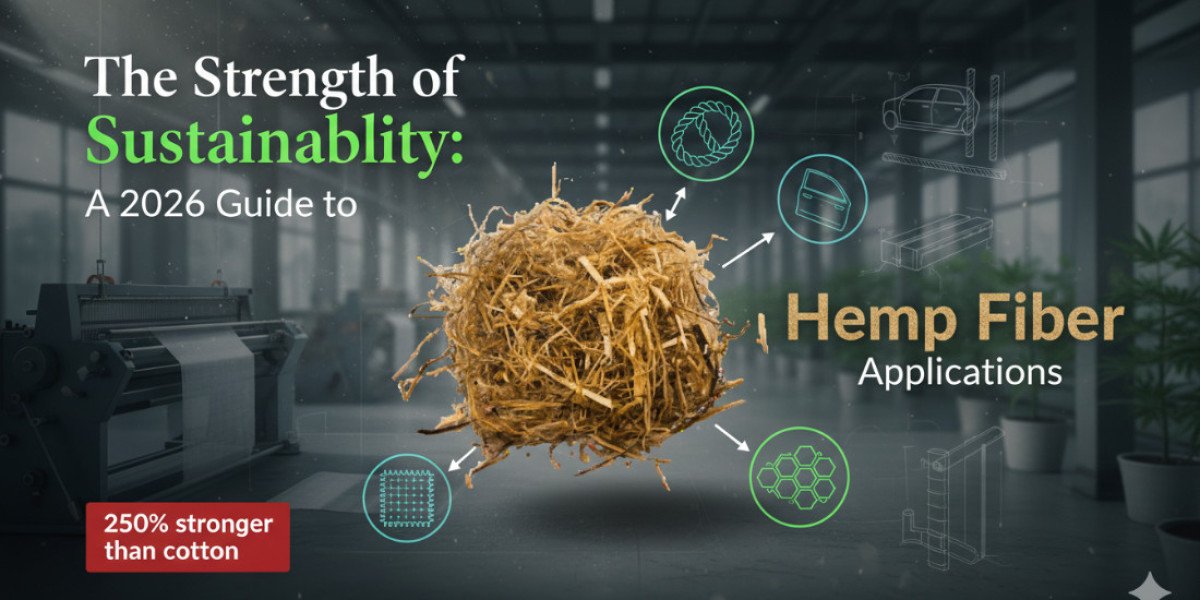

The New Fabric of Reality: Why Hemp Fiber Textiles are Dominating 2026 Fashion
In the fast-paced world of 2026, the global apparel industry has reached a definitive crossroads. With over 70% of new textile products now carrying eco-labels, the demand for high-performance, low-impact materials has never been higher. At the forefront of this shift is hemp fiber textiles, a category that has evolved from a rugged utility fabric into a sophisticated, soft-touch material favored by premium fashion houses and performance brands alike.
At Dakota Hemp, we provide the raw, high-purity fiber that fuels this transformation. By leveraging advanced domestic processing, we help brands move away from water-intensive cotton and synthetic polyesters, replacing them with a textile that is carbon-negative, exceptionally durable, and naturally aligned with the principles of natural wellness.
The 2026 Breakthrough: From Coarse to "Cottonized"
Historically, the primary barrier to widespread adoption of hemp in apparel was its texture. In 2026, however, technological innovations have closed the "softness gap." Through a process known as enzymatic cottonization, the long, stiff bast fibers are refined into shorter, softer strands that mimic the hand-feel of high-end cotton while retaining hemp’s legendary strength.
Key Performance Advantages of Modern Hemp Textiles:
The Softness Evolution: Modern hemp fiber textiles are no longer "scratchy." Advanced bio-scouring and mechanical refining produce a fabric that is soft from the first wear and becomes even more supple with every wash.
Natural Thermoregulation: Hemp’s hollow-core fiber structure makes it a "smart" fabric, providing superior breathability in the summer and natural insulation during the winter months.
Wellness Properties: In the health-conscious market of 2026, hemp’s natural antimicrobial and UV-resistant properties offer a significant edge for activewear and everyday garments, reducing odors and protecting the skin.
Hemp vs. Cotton: The Sustainability Audit
As the industrial hemp market continues its rapid expansion—projected to exceed $28 billion this year—the environmental comparison between hemp and traditional fibers has become a major driver for corporate procurement.
Feature | Industrial Hemp | Conventional Cotton |
Water Usage | ~300-500 Liters per kg | ~10,000-20,000 Liters per kg |
Land Efficiency | Up to 220% more fiber per acre | Standard yield |
Pesticide Needs | Minimal to none (naturally pest-resistant) | High (uses ~16% of global insecticides) |
Carbon Profile | Sequesters 8-15 tons of CO2 per hectare | Carbon-positive (high footprint) |
By choosing to buy hemp fiber USA, manufacturers are slashing their supply chain's water footprint by up to 90%, making it the most responsible choice for large-scale hemp fiber bulk production.
Industrial Hemp Uses: More Than Just T-Shirts
While apparel is a major driver, the industrial hemp uses for textiles in 2026 have branched into diverse, high-value sectors:
Performance Activewear: Blending hemp with recycled polymers or Lyocell creates high-wicking, durable gear that stands up to the most intense athletic training.
Home Goods and Upholstery: Because hemp is 3x stronger than cotton, it is the ideal material for long-lasting linens, towels, and furniture coverings that resist pilling and wear.
Medical Textiles: The naturally hypoallergenic and antibacterial nature of hemp fiber makes it a preferred substrate for bandages, hospital linens, and reusable personal care products.
Industrial Canvas: High-tensile hemp continues to dominate in the production of sustainable bags, geotextiles, and even reinforced components for hemp fiber composite materials.
Conclusion: Weaving a Better Future
The rise of hemp fiber textiles is a testament to the power of blending ancient wisdom with 21st-century technology. We are no longer compromising on comfort to achieve sustainability; instead, we are discovering that the most resilient fiber on the planet is also one of the most versatile. As the global economy pivots toward circularity, the range of industrial hemp uses will only continue to grow, providing a foundation for a world where fashion and the environment exist in perfect harmony.
At Dakota Hemp, we invite you to be part of this fabric revolution. Whether you are a designer seeking the perfect drape or a manufacturer looking for a reliable, domestic source of hemp fiber bulk, we are here to supply the quality your brand demands. Let's build a more sustainable world, one thread at a time.
Frequently Asked Questions
Does hemp clothing feel like linen?
While they share a similar breathable quality, modern hemp fiber textiles can be processed to feel much softer than traditional linen. When "cottonized," hemp can achieve a texture nearly indistinguishable from high-quality jersey or flannel.
Can I dye hemp fabrics with natural dyes?
Absolutely. Hemp is highly absorbent and holds natural pigments exceptionally well, often requiring fewer mordants (fixatives) than synthetic fibers, which supports a 100% non-toxic production cycle.
Is hemp clothing more expensive?
In 2026, the price gap is narrowing. While still a premium fiber compared to mass-produced conventional cotton, the durability of hemp means the "cost-per-wear" is significantly lower, as the garments last years longer.
How do I care for my hemp textiles?
Hemp is incredibly hardy. It can be machine washed and dried, though air-drying is recommended to save energy and preserve the fibers. Unlike other natural fibers, hemp actually gets softer and more comfortable with age.
Where can I find a bulk supplier for hemp textiles in the USA?
Dakota Hemp specializes in providing processed, high-quality fiber ready for spinning and weaving. We support the "Buy Hemp Fiber USA" movement by ensuring a transparent, domestic supply chain for all your textile needs.