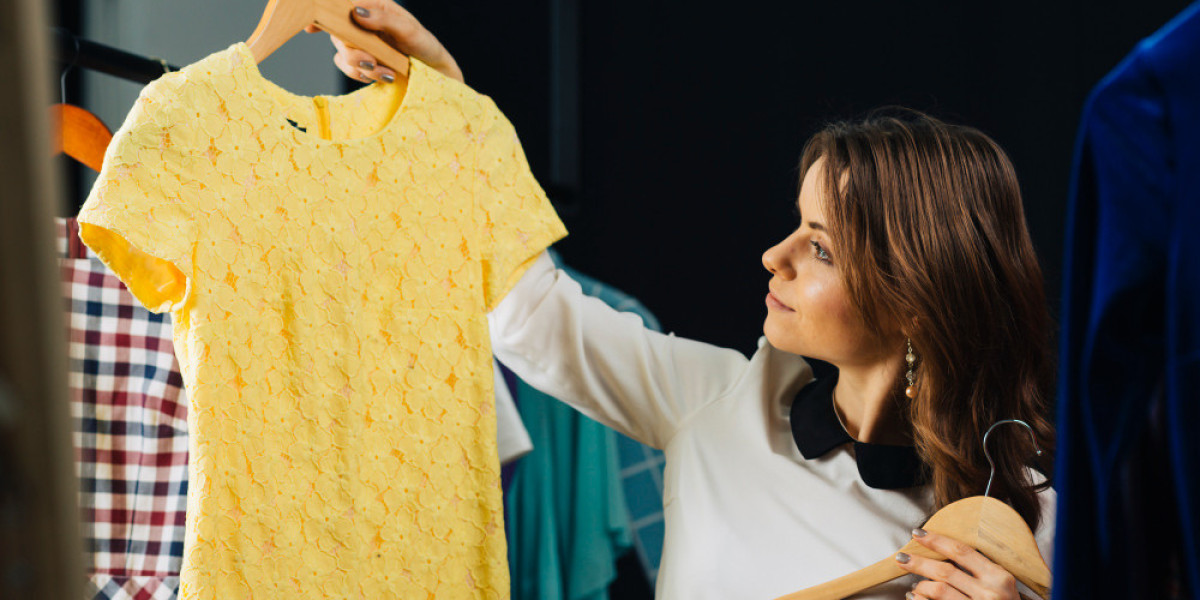

The Textile Home Decor Market is adapting to changing shopping habits as consumers increasingly use digital platforms to plan and purchase home furnishings. Online retailers provide access to a broad selection of curtains, bedding, rugs, cushions, and upholstery textiles. At the same time, digital design inspiration is helping shoppers explore new colors, patterns, and interior styles before making purchasing decisions.
Market Size and Forecast
According to Market Research Future, the Textile Home Decor Market was valued at USD 196.57 billion in 2024. It is expected to increase from USD 203.44 billion in 2025 to USD 286.75 billion by 2035, reflecting a CAGR of 3.49% over the forecast period. E-commerce expansion, customization, and evolving home design preferences are relevant to this market outlook. Explore the Textile Home Decor Market report for more details.
How E-Commerce Supports Market Growth
Wider Product Selection
Online stores allow consumers to browse a variety of colors, patterns, fabric types, and price ranges. This can be especially useful when matching curtains, cushions, rugs, and bedding to an existing interior design.
Convenient Price Comparisons
Digital platforms make it easier to compare product specifications, dimensions, package contents, and delivery options. Clear descriptions help shoppers evaluate products more confidently.
Visual Design Inspiration
Online images and interior design content introduce consumers to different decorating approaches, including minimalist, contemporary, rustic, and traditional styles. Digital visualization tools can also help shoppers assess how certain colors and patterns might complement a room.
Access to Customized Products
Some online retailers provide made-to-measure curtains, personalized cushion covers, and other customized textiles. These services can help consumers address unusual dimensions or specific design preferences.
The Continuing Role of Physical Stores
Brick-and-mortar retailers remain important because textile purchases often depend on touch, texture, thickness, and perceived color. In-person shopping allows consumers to examine fabric quality and compare materials under physical lighting conditions.
Interior designers and specialist retailers can also provide guidance on fabric selection, room coordination, and suitability for particular uses.
Challenges in Online Sales
Color differences between screens and actual products, inaccurate measurements, and uncertainty about fabric texture can affect customer satisfaction. Delivery costs and return policies may also influence purchasing decisions.
Retailers can address these challenges with detailed dimensions, close-up fabric images, accurate material descriptions, and clear return conditions.
Future Opportunities
The market may benefit from improved online visualization, made-to-measure products, personalized recommendations, and efficient delivery systems. Retailers that combine digital convenience with reliable product information can help consumers make better home decorating decisions.
Frequently Asked Questions
1. Why is e-commerce important for textile home decor?
It provides broad product selection, convenient comparisons, home delivery, and access to customized products.
2. What are the challenges of buying home textiles online?
Consumers may face uncertainty about color, texture, dimensions, fabric quality, and return requirements.
3. Are physical home decor stores still relevant?
Yes. Physical stores allow shoppers to feel fabrics, examine product quality, and compare colors directly.