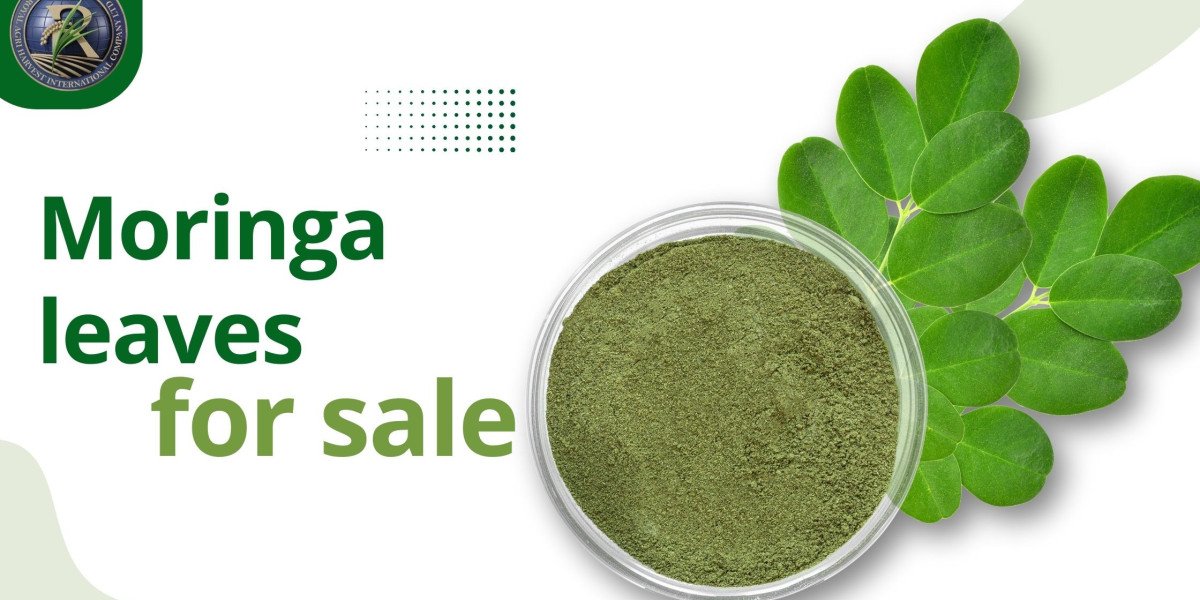

The global demand for moringa continues to rise as health, food, and nutraceutical industries recognize its exceptional nutritional value. For importers, however, sourcing moringa leaves for sale is not just about availability—it is about meeting strict quality, safety, and consistency standards. From harvesting practices to processing, packaging, and certification, each stage directly impacts the final product’s value in international markets.
At Royal Agri, we specialize in supplying export-grade moringa leaves that meet global quality benchmarks, ensuring long-term reliability for buyers across food, wellness, and pharmaceutical sectors.
Understanding Why Quality Standards Matter in Moringa Trade
Unlike many conventional crops, moringa leaves are highly sensitive to processing conditions. Poor handling can quickly degrade their nutritional profile, color, and shelf life. Importers who fail to assess quality standards risk receiving products that fall short of regulatory requirements or consumer expectations.
High-quality moringa leaves for sale should retain their natural green color, balanced aroma, and nutrient density while remaining free from contaminants, adulterants, and excessive moisture. These attributes are essential not only for compliance but also for building brand credibility in competitive markets.
Harvesting Practices That Define Quality
Quality moringa begins at the farm level. Leaves harvested too late or during unsuitable weather conditions often lose potency and develop bitterness. Export-grade suppliers harvest moringa leaves at the optimal growth stage, typically early in the day, when nutrient levels are at their peak.
At Royal Agri, moringa cultivation follows controlled agricultural practices to ensure uniform leaf size, freshness, and cleanliness. Proper harvesting methods reduce physical damage and minimize microbial risks, which are critical for international trade.
Drying Methods and Moisture Control
Drying is one of the most crucial steps in maintaining the quality of moringa leaves for sale. Improper drying can lead to discoloration, mold growth, and nutrient loss. Sun drying without control often results in uneven moisture levels, making the product unsuitable for export.
Professional suppliers rely on hygienic, low-temperature drying techniques that preserve chlorophyll, vitamins, and minerals. Moisture content is typically maintained below accepted international limits to prevent spoilage during storage and transportation. Importers should always request moisture analysis reports before finalizing bulk purchases.
Color, Aroma, and Texture as Quality Indicators
Visual and sensory inspection remains an essential quality check. Premium moringa leaves exhibit a vibrant green color, a mild herbal aroma, and a crisp texture when properly dried. Yellowing, dull tones, or strong odors often indicate oxidation or poor processing.
Reliable exporters ensure uniformity across batches, allowing importers to maintain consistent product standards for manufacturing or retail use. Royal Agri places strong emphasis on batch consistency, ensuring buyers receive moringa leaves that meet agreed specifications every time.
Hygiene, Safety, and Contaminant Control
International buyers must ensure that moringa leaves for sale comply with food safety regulations in their destination markets. This includes strict limits on microbial contamination, pesticide residues, and foreign matter.
Trusted suppliers implement hygienic handling protocols throughout processing and packaging. Regular laboratory testing for bacteria, heavy metals, and chemical residues is essential. Importers should work only with exporters who can provide third-party test reports and complete documentation for customs clearance.
Importance of Packaging for Export-Grade Moringa
Packaging plays a critical role in preserving quality during long transit periods. Exposure to air, light, and humidity can quickly degrade moringa leaves. Export-grade packaging uses food-safe materials, moisture-resistant liners, and secure sealing methods.
Royal Agri offers customized packaging options designed to protect moringa leaves throughout shipping and storage. Proper labeling, batch identification, and traceability further support regulatory compliance and inventory management for importers.
Certifications and Documentation Importers Should Request
Quality certifications serve as proof of compliance and ethical sourcing. When sourcing moringa leaves for sale, importers should look for suppliers who adhere to recognized international standards.
Common certifications include organic compliance, phytosanitary certification, and quality management systems. Equally important are export documentation, certificates of analysis, and origin details. Transparent documentation reduces delays at ports and builds trust between buyers and suppliers.
Traceability and Supply Chain Transparency
Modern buyers increasingly demand traceability. Knowing where and how moringa is grown, processed, and packed helps importers meet regulatory and consumer expectations. Transparent supply chains also support sustainability goals and responsible sourcing initiatives.
Royal Agri maintains clear traceability from farm to shipment, enabling importers to confidently promote quality and origin in their respective markets.
Choosing the Right Supplier for Long-Term Success
Selecting the right exporter is essential for consistent quality and business growth. Importers should evaluate supplier experience, infrastructure, testing capabilities, and commitment to long-term partnerships.
With years of expertise in international agricultural trade, Royal Agri delivers moringa leaves for sale that align with global quality standards. Our focus on reliability, transparency, and premium sourcing ensures that buyers receive products they can trust—batch after batch.
Final Thoughts
As global demand for moringa continues to grow, quality standards will remain the defining factor for successful imports. Understanding harvesting methods, drying processes, safety requirements, and certification standards allows importers to make informed purchasing decisions.
By partnering with a trusted exporter like Royal Agri, buyers gain access to export-ready moringa leaves that meet international expectations for quality, safety, and consistency. Investing in the right moringa leaves for sale is not just a sourcing decision—it is a strategic move toward sustainable, long-term trade success.