
Have you ever taken a bite of chocolate or ice cream and noticed dripping? Many sweet treats contain ingredients that melt at room temperature. Chocolates with cocoa butter or ice creams with low stabilizers can start to drip quickly. Desserts like caramel tarts or fruit-filled pastries release liquid if the fillings are soft or not chilled. Temperature, ingredient composition and handling affect dripping. Even proper storage may not stop treats from melting when exposed to warm hands. Knowing causes helps prevent dripping before serving.
How Can Holding Techniques Reduce Dripping?
The holding method impacts melting. Heat from hands transfers quickly to the dessert, causing dripping. Using utensils, napkins or protective wraps slows heat transfer. Professionals suggest moving desserts from cold storage to serving areas at the last moment. Even small handling adjustments reduce melting noticeably. Combining careful handling with protective layers ensures treats retain form.
Why Does Ice Cream Drip Faster Than Other Desserts?
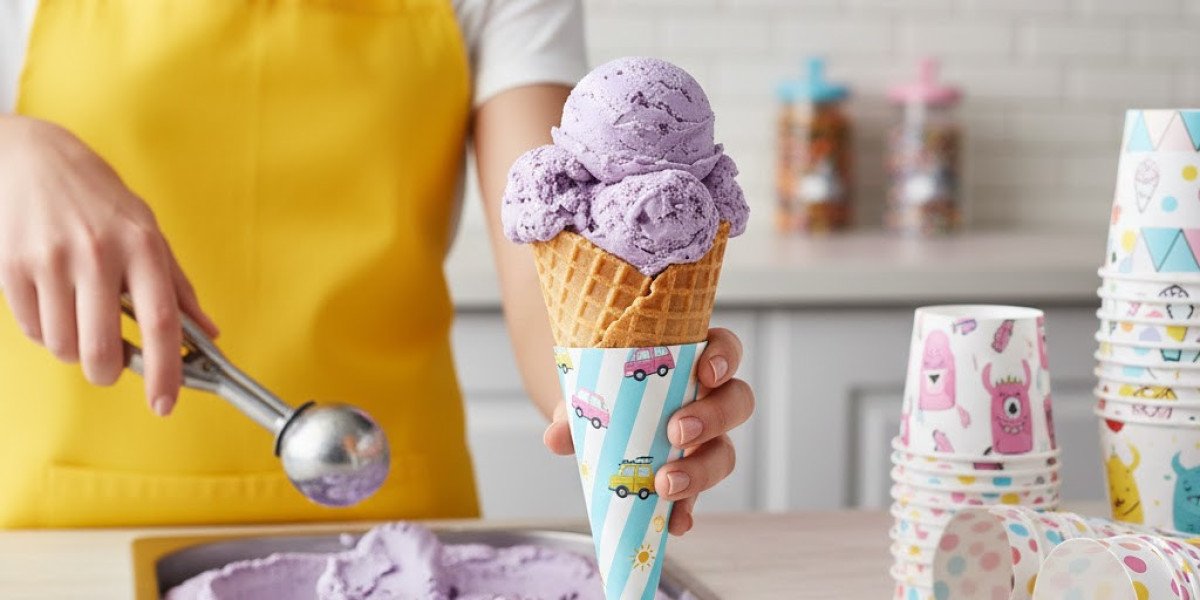
Ice cream drips due to air, fat and water composition. Once removed from the freezer, melting begins immediately. Soft serve melts faster than hard-packed types because of higher air content. Chocolate chips or syrup in ice cream accelerate dripping. Ice cream cones have more exposed surface increasing melting speed. Using food sleeves creates a barrier between hands and treats slowly drip. This improves the eating experience for both consumers and sellers. Even slight insulation prevents messy hands. Proper sleeve use ensures the cone holds its shape longer. These measures enhance customer satisfaction and make ice cream easier to handle in warm environments.
How Do Filling and Topping Choices Influence Dripping?
Fillings and toppings affect dripping. Cream, custard, caramel, fruit or syrup release liquid if not thickened. Whipped cream on cake melts quickly creating mess. Fresh fruits like berries release juice soaking surrounding layers. Stabilized creams or thickened custards help maintain form. Chocolate shavings or sprinkles resist moisture but may be affected by air. Soft icing drips; hardened icing holds shape longer. Choosing fillings carefully prevents mess and improves eating experience. Correct topping consistency ensures desserts are visually appealing and manageable. These methods allow serving without dripping problems keeping presentation consistent for both home and business settings.
What Storage Practices Help Prevent Melting?
Storage prevents dripping. Desserts should remain cool and served quickly. Freezing ice cream, chilling pastries and refrigerating cream desserts ensures firmness. Sealed boxes prevent moisture exposure. Leaving desserts on counters increases melting risk. Temperature-controlled storage maintains consistency for professionals. Pre-chilling plates or serving trays slows melting when desserts are plated. Using wraps from WaxPapersHub reduces moisture contact during temporary storage. Proper storage preserves form, taste and appearance. Even short periods outside cold storage affect consistency. These measures ensure treats remain firm until serving. Awareness of storage impact is essential for managing dripping effectively.
Can Serving Methods Influence Dessert Dripping?
The serving method affects dripping. Serving ice cream directly from the freezer without waiting causes uneven melting. Placing desserts on cold surfaces causes condensation. Cutting desserts into smaller portions before serving controls melting. Protective layers like custom food packaging prevent mess during serving. Following correct serving techniques prevents dripping even in warm environments. Awareness of method impact improves dessert experience for customers and home eaters alike. Consistency depends on careful presentation during serving.
How Does Dessert Shape Affect Dripping?
Shape impacts dripping. Rounded tops or exposed fillings increase surface area accelerating melting. Compact desserts hold form longer. Ice cream scoops on cones melt faster due to exposure. Cakes with layers or pastries with soft fillings also drip quickly. Adjusting shape slightly like flattening top or keeping fillings away from edges slows dripping. Portioning into smaller servings reduces risk of liquid release. Awareness of shape effect allows better handling and storage. Shape management ensures desserts remain manageable during eating. Even small adjustments to form significantly reduce dripping while maintaining taste and presentation for customers or guests.
Why Do Homemade Treats Drip Faster Than Store-Bought Ones?
Homemade desserts often drip faster because stabilizers are absent. Ice cream made at home may lack additives to maintain form. Chocolate treats with high fat melt quickly. Fresh fruits or creams release water if not prepared carefully. Commercial desserts use processing to prevent dripping during transport and storage. For home bakers, chilling desserts, using food sleeves and careful storage help maintain structure. Smart handling reduces dripping more effectively than complex recipes. Understanding differences between homemade and commercial treats helps plan serving methods, maintain form and improve eating experience while preventing mess.
What Simple Tips Can Prevent Sweet Treat Dripping?
Simple methods prevent dripping. Chill desserts before serving, limit handling and avoid heat or moisture. Protective accessories like food sleeves slow melting and reduce mess. Choosing the right ingredients, thickening fillings and cutting portions carefully helps control dripping. Using napkins under serving surfaces provides extra protection. For startups or small businesses looking to improve their sweet treat experience, WaxPapersHub offers options for custom wrapping and accessories that can help maintain dessert integrity. Combining these steps ensures a clean, enjoyable eating experience. Awareness of handling, storage and serving factors prevents dripping efficiently. These tips are effective for home, outdoor or professional settings to manage sweet treats reliably.
How Can Businesses Improve Dessert Experience for Customers?
Businesses reduce dripping by using correct tools and methods. Accessories like custom packaging help maintain form during serving and transport. Training staff to handle desserts and manage temperature prevents melting. Ice cream cone paper sleeves improve consumer experience and prevent messy hands. Chilled serving surfaces maintain dessert stability. Presentation matters as much as taste for customers. Using solutions from WaxPapersHub allows businesses to improve satisfaction and maintain threat quality. Combining ingredient awareness, temperature management and protective methods keeps desserts manageable. Consistent practices reduce dripping and enhance customer enjoyment for all sweet treats.