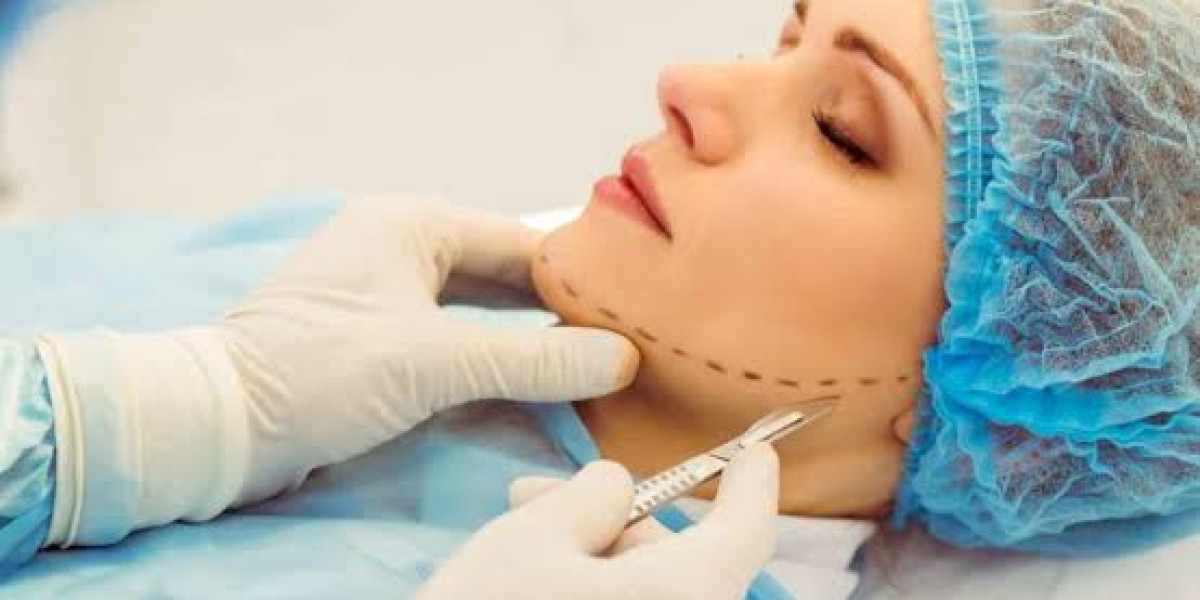

Experiencing a road accident, sports collision, fall, or severe facial impact that fractures or displaces the jawbones can disrupt how your teeth meet, how comfortably you chew, and how symmetrical your lower face looks. When individuals explore Jaw Surgery in Islamabad, jaw reconstruction surgery offers a specialized restorative approach designed to realign fractured bone segments, replace missing or damaged bone, and restore normal jaw movement and bite alignment after trauma. Because untreated or imperfectly healed jaw fractures can leave lasting bite shifts, chronic jaw pain, or facial asymmetry, timely structural rebuilding is essential. Understanding when jaw reconstruction is needed after an injury helps patients protect long-term oral function and facial balance.
Why Can Jaw Injuries Require More Than Simple Immobilization?
The upper and lower jaws endure heavy daily forces every time you bite, chew, swallow, or speak, while strong chewing muscles pull on fractured bone segments from multiple directions. While minor hairline cracks with intact bite alignment may heal with conservative monitoring and a soft diet, displaced fractures, shattered bone segments, or injuries involving bone loss cannot heal straight on their own. Without proper anatomical reduction and internal stabilization, bones can fuse in a twisted position (malunion) or fail to knit solidly (nonunion), leading to permanent bite problems and lower-face distortion.
When Is Jaw Reconstruction Surgery Needed After an Injury?
Evaluating fracture displacement, bite alignment, and tissue integrity helps trauma and maxillofacial specialists determine when surgical reconstruction is necessary.
Displaced or Multiple Jaw Fractures: Needed when broken upper or lower jaw segments shift out of alignment and prevent upper and lower teeth from meeting properly.
Comminuted Fractures or Bone Loss: Required when high-impact trauma shatters bone or leaves a structural gap needing bone grafting and rigid plate fixation.
Malunion From an Old, Improperly Healed Fracture: Indicated when a past injury healed crookedly, leaving an uneven bite, shifted chin, or restricted jaw opening.
Condylar or Jaw-Joint Region Fractures: Evaluated when trauma near the jaw joint threatens mouth opening range, vertical jawline height, or symmetric motion.
Nerve Compression or Soft-Tissue Disruption: Performed to restore bony continuity and protect nearby sensory nerve pathways and dental roots.
How Do Acute Fracture Repair and Secondary Post-Traumatic Reconstruction Compare?
Reviewing early trauma stabilization alongside delayed reconstructive surgery clarifies how timing influences surgical technique.
| Injury Stage | Typical Timing Window | Primary Reconstructive Focus |
| Acute Fracture Fixation | Within days to 2 weeks of injury | Realigning fresh bone fragments & securing with titanium plates |
| Bone-Loss Reconstruction | Early or staged after soft-tissue healing | Bridging missing jaw segments with autologous bone grafts |
| Secondary Malunion Revision | Months after injury once swelling clears | Re-cutting & repositioning crookedly healed jawbones cleanly |
How Does Jaw Reconstruction Relate to Chin Contours?
Because lower-jaw trauma frequently shifts chin alignment or leaves subtle contour differences along the lower border, specialists evaluate chin symmetry and lower-third balance carefully during reconstruction. Patients who also wish to refine chin prominence or lower-face balance sometimes discuss Chin Reduction in Islamabad during assessment. When these elements come together, patients are better positioned to achieve results they feel comfortable with over time. Glamorous Aesthetic Clinic is committed to providing that level of personalized care, and every recommendation is based on careful assessment of the individual. If you are considering treatment, begin with a professional consultation and choose a provider who values safety, clarity, and realistic expectations.
When Are Nasal Options Discussed Alongside Facial Trauma Care?
High-impact facial injuries often affect both the mid-face jaw structure and the nasal pyramid simultaneously, making coordinated evaluation valuable once acute swelling resolves. Individuals exploring nasal structure alongside post-injury facial recovery sometimes review Rhinoplasty in Islamabad during a separate assessment step.
How Do Broader Aesthetic Options Fit Into Post-Injury Facial Planning?
After primary structural function and bite alignment are restored, patients sometimes look at subtle refinements to harmonize overall facial contours. People exploring broader facial or surgical possibilities often review Cosmetic Surgery in Islamabad options during consultation.
What Should You Expect During Recovery After Jaw Reconstruction Surgery?
After post-injury jaw reconstruction, swelling and bruising around the jawline and cheeks subside gradually over the first two to three weeks while rigid internal plates hold the bone steady. Following a strict liquid-to-soft diet as advised, keeping oral hygiene meticulous around incisions, avoiding contact sports or heavy impact for several weeks, and completing gentle jaw-opening exercises protect bone union and joint mobility.
FAQs
Can jaw reconstruction surgery fix a bite that healed crookedly after an old accident?
Yes, even if a jaw fracture healed off-center months or years earlier, secondary reconstructive osteotomy can re-align the bone segments and restore proper bite contact.
Are metal plates and screws used in jaw reconstruction permanent?
Biocompatible titanium mini-plates and screws are designed to hold healing bone rigidly and typically remain safely in place without needing removal unless a specific irritation arises.
How soon after a jaw injury should I be evaluated by a specialist?
Prompt evaluation right after facial trauma allows cleaner alignment before early bone healing begins, though delayed reconstruction remains effective for older injuries as well.
How long will I need to eat soft foods after jaw reconstruction?
Most patients follow a soft or liquid diet for roughly four to six weeks while fractured bone segments knit solidly, advancing gradually under surgeon guidance.
Final Thoughts
Jaw reconstruction surgery is essential after displaced fractures, bone loss, or crookedly healed injuries to restore stable bite mechanics, comfortable chewing, and symmetrical lower-face structure. Combining precise anatomical alignment with rigid internal fixation and disciplined post-operative nutrition supports dependable bone healing. Starting with a thorough clinical and imaging evaluation ensures your post-injury recovery plan addresses both function and appearance.
To learn more about jaw reconstruction surgery and book your consultation, visit our website to read more.
Contact us at our website: https://www.glamaesthetics.com.pk/










