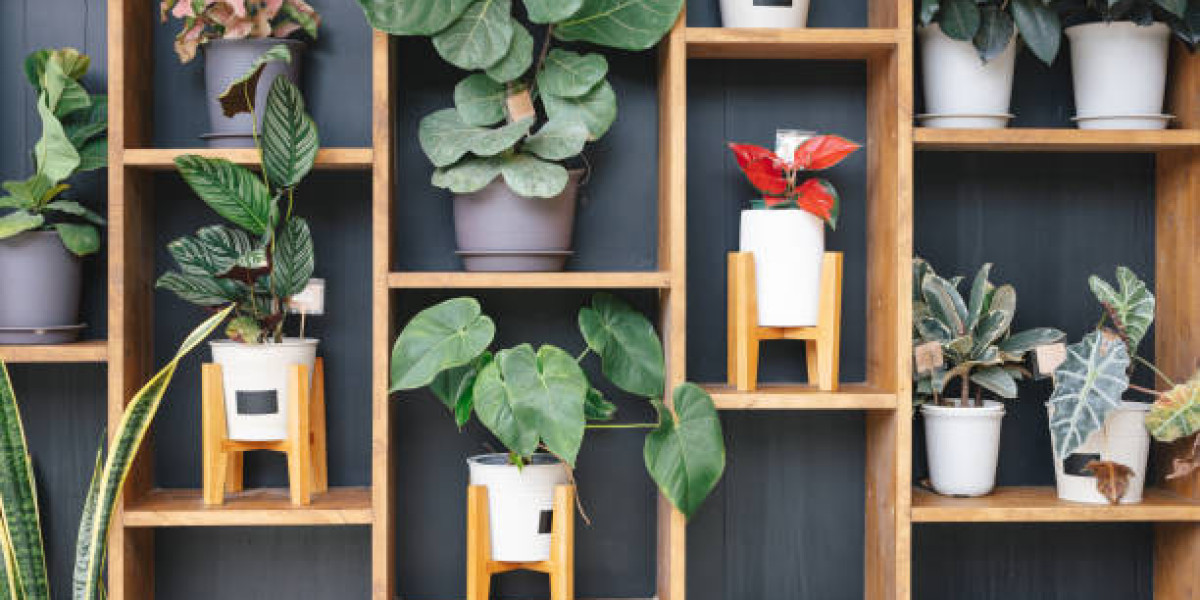

Artificial Plants Market innovations are transforming the decorative greenery industry by introducing more realistic designs, adaptable arrangements, and creative applications for modern environments. Consumers increasingly expect decorative products to offer both attractive appearances and practical benefits. This expectation is encouraging manufacturers to improve foliage textures, leaf structures, color combinations, and overall product construction. Artificial plants are now used in residential interiors, office buildings, hospitality properties, retail environments, and event venues. Their versatility allows customers to incorporate decorative greenery into different spaces without depending on natural growing conditions.
Product design is becoming a major differentiating factor as manufacturers compete to attract consumers with distinctive collections. Interest in lifelike synthetic foliage and ornamental greenery designs is encouraging the development of products that closely resemble natural plants. Manufacturers are exploring improved molding techniques, fabric materials, detailed leaf patterns, and flexible branches to create realistic decorative pieces. Different product categories, including artificial palms, flowering plants, succulents, decorative shrubs, and indoor trees, are helping brands serve customers with varied interior decoration preferences.
Material innovation is one of the most important areas influencing product development. Artificial plants are produced using different materials depending on the required appearance, durability, flexibility, and price positioning. Polyester and silk-based materials can provide soft textures and detailed decorative appearances, while plastic components are frequently used for stems, branches, and structural support. Manufacturers are continuously exploring ways to improve the quality of these materials and create products that maintain their appearance during regular indoor use. Better construction can also improve customer satisfaction and reduce replacement frequency.
Another important innovation involves the development of customized decorative installations. Consumers and commercial buyers increasingly look for greenery that fits particular architectural layouts and decoration themes. Artificial vertical gardens, modular foliage panels, decorative plant partitions, and customized wall arrangements are expanding the range of possible applications. These installations can be designed for hotels, restaurants, offices, showrooms, and residential properties. Modular formats can also simplify transportation, arrangement, and installation, creating opportunities for businesses that specialize in customized interior decoration solutions.
Technology and digital visualization are also influencing the way customers select artificial greenery. Online retailers are increasingly using high-resolution product photography, room inspiration galleries, and visual demonstrations to help consumers understand how decorative products may appear in different settings. Digital platforms can showcase combinations of plant varieties, containers, and furniture styles. This makes it easier for shoppers to identify suitable products before purchasing. Retailers that provide detailed dimensions, material descriptions, and realistic product images can reduce uncertainty and improve the online shopping experience.
The influence of lifestyle content and social media is another important development. Interior designers, home improvement creators, and lifestyle influencers frequently share decoration ideas that introduce consumers to new product combinations. Artificial plants can become part of minimalist interiors, luxury decoration themes, contemporary offices, and creative event arrangements. Visual platforms allow consumers to discover different styling concepts and explore products that may not be available in nearby physical stores. Manufacturers can benefit from these channels by presenting practical decoration ideas and demonstrating the versatility of their collections.
At the same time, manufacturers must consider quality expectations and environmental responsibilities. Consumers may be disappointed when artificial foliage looks unrealistic, loses its color, or becomes damaged during transportation. Product packaging, material selection, and manufacturing consistency are therefore important considerations. The use of durable materials and responsible packaging can support longer product life and reduce avoidable replacement. Companies may also explore recyclable components and improved end-of-life practices where feasible. Clear communication regarding product composition can help establish stronger relationships with increasingly informed customers.
The future of the industry will likely be shaped by the combination of product innovation, changing decoration preferences, and expanding commercial applications. Manufacturers that introduce realistic designs, customized solutions, and convenient purchasing experiences can strengthen their competitive position. Demand from residential customers, hospitality businesses, corporate offices, and professional decorators may continue creating opportunities for specialized collections. As decorative greenery becomes integrated into contemporary interior concepts, artificial plants can remain an adaptable solution for consumers seeking attractive spaces with manageable maintenance requirements.
FAQs
Q1. What innovations are shaping the Artificial Plants Market?
Realistic leaf textures, improved materials, modular green walls, and customized arrangements are important innovations.
Q2. Which materials are used to manufacture artificial greenery?
Polyester, silk, plastic, and other synthetic materials are commonly used.
Q3. How does e-commerce support artificial plant sales?
Online platforms provide product comparisons, visual inspiration, and convenient purchasing options.