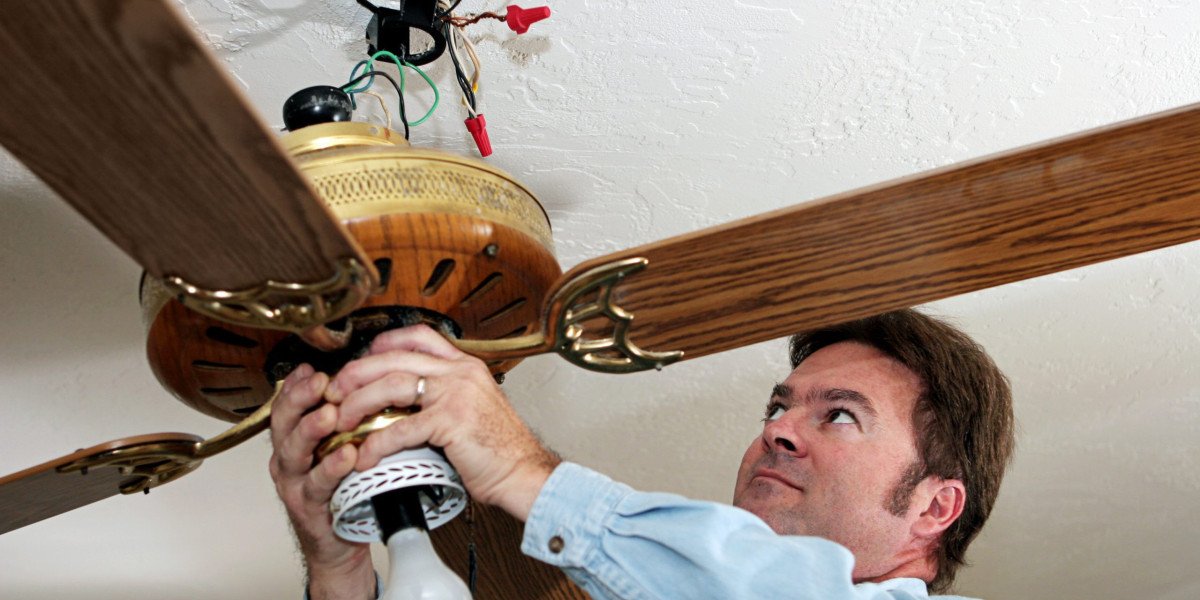

When the summer heat scorches down or a room feels a bit too stuffy, a ceiling fan can be a game-changer. But installing one isn't just about screwing in a few bolts and flipping a switch—it’s a job that can affect your safety, your energy bill, and even your home’s interior aesthetic. While DIY ceiling fan kits are widely available and tempting for the enthusiastic handyman or handywoman, professional ceiling fan installation delivers a level of expertise and precision that’s hard to match.
From ensuring safe wiring to maximizing airflow, and enhancing the style of your home, investing in a professional ceiling fan installation is one of those smart moves that pays dividends in comfort, function, and peace of mind. Let’s spin through the reasons why getting the pros involved just makes sense.
1. Safety First: Avoiding the DIY Danger Zone
Ceiling fan installation is often underestimated. At first glance, it may appear simple, but the process involves electrical work, balancing heavy equipment overhead, and following building codes. A slight error in wiring or an improperly mounted fan can have serious consequences.
An estimated 400 injuries are caused by falling ceiling fans each year in the U.S. alone, mostly due to incorrect installation or mounting issues [source]. That’s not just a statistic—it’s a warning sign.
Professional electricians or ceiling fan installers are trained to handle the wiring with care, ensuring the fan is properly grounded and connected to a secure junction box rated for fan weight and motion. Many DIYers make the mistake of attaching fans to boxes meant for light fixtures, which aren’t designed to withstand the vibrations of a spinning fan. The result? Wobbling fans, loud noises, or worse—fans that eventually fall.
By hiring a licensed installer, you eliminate guesswork and reduce the chance of future hazards. Plus, many professionals offer a warranty on their work, which gives you extra security.
2. Energy Efficiency: Keep Cool, Save Cash
One of the most compelling reasons to install a ceiling fan is the promise of lower energy bills. A well-placed and properly installed ceiling fan can make a room feel 4 to 5 degrees cooler, meaning you can dial down your air conditioning usage—and your costs [source].
However, the key phrase here is properly installed. If the fan isn’t centered, balanced, or spinning in the correct direction (yes, direction matters), it won’t circulate air efficiently. Professionals know how to position fans optimally in relation to room dimensions, ceiling height, and furniture layout. They’ll also ensure your fan is installed at the right height for maximum airflow without compromising safety.
During cooler months, reversing the fan’s direction can push warm air down, making your heating system more efficient as well. With proper installation and control, your ceiling fan becomes a year-round ally in energy conservation.
3. Aesthetic Impact: Fans That Add Flair
Today’s ceiling fans are more than just practical—they’re also stylish. From modern minimalism to vintage elegance, fans are available in a wide variety of designs, blade finishes, and lighting combinations. But a great-looking fan can quickly lose its charm if it’s crooked, rattling, or doesn’t match the overall design of the space.
Professional installers help you get it right the first time. They can assist in selecting a fan that complements your room’s design and install it with clean wiring, no visible gaps, and proper alignment. This avoids the all-too-common “DIY eyesore” where a fan looks out of place or slightly off-kilter.
Moreover, pros can help integrate smart fan systems, including wall-mounted controls, remote access, and compatibility with smart home systems like Alexa or Google Home. They’ll make sure all components are connected seamlessly—something a beginner might struggle with.
4. Ceiling Height and Structure Matters
Ceiling fans aren't one-size-fits-all. The type of ceiling—sloped, vaulted, or low—greatly influences the kind of fan and installation technique required.
- For low ceilings, a flush mount fan is essential to maintain head clearance.
- For high or vaulted ceilings, an extended downrod may be necessary to position the fan at the correct height for optimal air circulation.
- For angled ceilings, special mounting brackets and customization are often needed.
These structural challenges often confuse DIY installers and lead to fans being installed at improper heights or angles, compromising performance and aesthetics. Professionals come equipped with the right tools, parts, and knowledge to manage all ceiling types and angles.
5. Code Compliance and Insurance Requirements
Electrical work—even something as “simple” as fan installation—often falls under local building codes and standards. Improper installations can violate these codes, which might void your home insurance in the event of a fire or electrical accident.
Professionals are familiar with the codes and licensing requirements in your area, ensuring that the job is done to standard. Some jurisdictions even require a licensed electrician for any ceiling fan or lighting fixture installation.
Insurance companies tend to frown upon DIY electrical work, especially if it’s the source of a problem later. A receipt and compliance paperwork from a professional installer can offer protection and peace of mind.
6. Time-Saving and Hassle-Free Experience
Even for someone with a bit of technical know-how, ceiling fan installation can be time-consuming. Between deciphering instruction manuals, ensuring proper anchoring, dealing with wiring, and potentially making a few trips to the hardware store, it can eat up hours—if not an entire day.
Hiring a pro means skipping all that hassle. Most professional installations take about 1 to 2 hours, and the results are cleaner, more secure, and guaranteed. That’s your weekend saved and your comfort ensured.
7. Noise Reduction and Performance Optimization
A common complaint from DIY installations is the dreaded wobble or hum. This usually comes from blades that are misaligned, loose brackets, or improperly anchored motors. While these may seem like minor annoyances, they can lead to long-term wear and even early failure of the fan.
Professional installers use balancing kits, precise torque tools, and calibrated measurements to make sure the fan spins smoothly and silently. You won’t just feel the breeze—you’ll enjoy it without the clatter and clunk.
8. Integrated Lighting and Fan Combos
Modern ceiling fans often come with built-in lighting, dimmer switches, or dual controls for light and fan. Installing such fixtures isn’t always as straightforward as replacing a light bulb. Dual-switch wiring, smart dimmers, and integration with home automation systems can be tricky for the untrained.
Professionals ensure that all features work seamlessly together. Want a fan with a smart light that dims when you say “movie time”? Or one that shuts off automatically when you leave the room? That level of functionality requires expert setup.
Conclusion: Style, Savings, and Safety—All in One Spin
Ceiling fans do more than just move air—they influence your comfort, energy costs, home appearance, and even safety. While the idea of saving a few bucks with a DIY installation is tempting, the risks often outweigh the reward.
Professional ceiling fan installation offers peace of mind and a host of benefits:
- Safer, code-compliant electrical work.
- More efficient air circulation, saving on heating and cooling bills.
- Cleaner, more stylish finishes.
- Better integration with smart home systems.
- Long-term performance with fewer repairs or replacements.
In short, a professional installation is not just an expense—it’s an investment. One that pays off every time you flip the switch and feel that smooth, cool breeze wash over you.
Related Stats and Sources:
- According to the U.S. Consumer Product Safety Commission, ceiling fan injuries caused by falling units number approximately 400 annually, largely due to incorrect installation. Source
The U.S. Department of Energy notes that ceiling fans can allow homeowners to raise their thermostat by 4 degrees without reducing comfort. Source