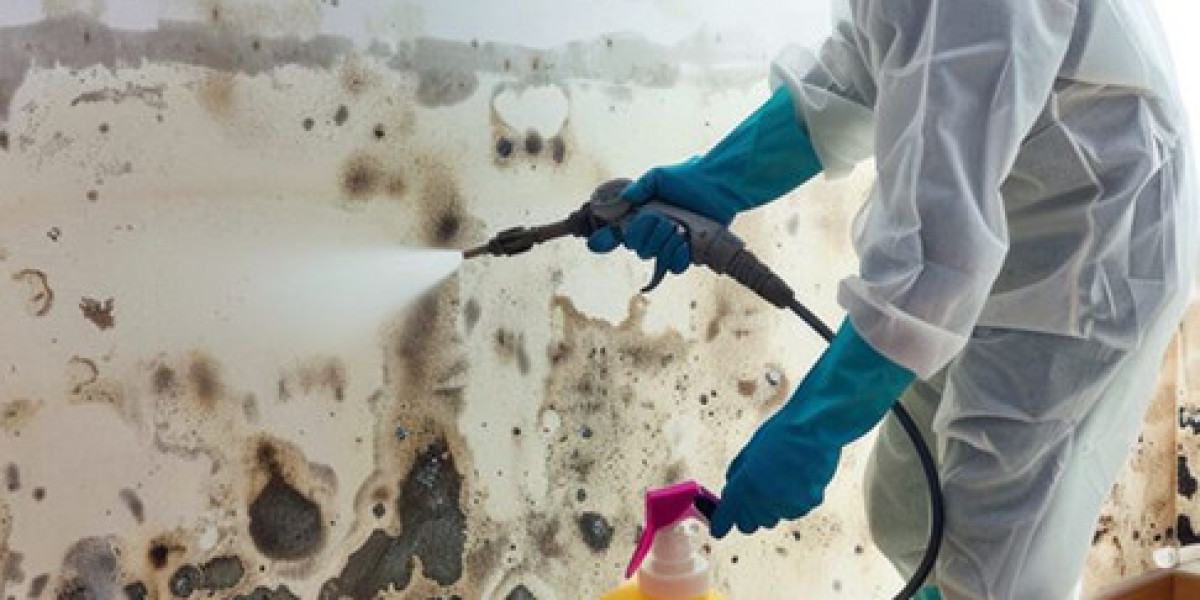

Black mold can become a concern when moisture remains inside a home or commercial building. Leaking pipes, roof damage, flooding, and poor ventilation can create damp conditions that allow mold to grow on walls, ceilings, floors, and other materials. Along with visible stains and musty odors, mold growth may indicate an underlying moisture problem that needs attention. Professional black mold removal helps identify affected areas, address moisture sources, and determine the appropriate cleanup and remediation methods.
Understanding how mold develops and how to manage it can help property owners protect their buildings and reduce the chance of recurring problems.
What Is Black Mold?
Black mold is a common term used to describe dark-colored mold growth found on damp surfaces. Several types of mold can appear black or dark green, so color alone cannot reliably identify a particular species.
Mold may grow on drywall, wood, carpeting, insulation, grout, and other materials when moisture and suitable conditions are present. Some growth is visible on the surface, while other problems may develop behind walls, beneath flooring, or around plumbing fixtures.
The presence of dark mold does not automatically confirm that it is a specific toxic species. However, visible mold growth and persistent moisture should be taken seriously because they can damage building materials and affect indoor environmental conditions.
Common Causes of Black Mold Growth
Moisture is one of the main factors that allows mold to grow. Plumbing leaks, damaged roofing, overflowing appliances, and flooding can introduce water into areas where it remains trapped. If materials do not dry properly, mold may begin to develop.
Poor ventilation can also contribute to moisture buildup, particularly in bathrooms, kitchens, laundry rooms, and other areas where steam is frequently produced. Condensation around windows and pipes may create additional damp spots.
In some buildings, mold develops after earlier water damage that was never fully resolved. Repairing the original leak and drying affected materials are essential steps in reducing the likelihood of mold returning.
Signs You May Need Black Mold Removal
Visible dark patches on walls, ceilings, window frames, or other surfaces may indicate mold growth, although discoloration alone does not confirm the substance's identity.
Other warning signs include persistent musty odors, peeling paint, bubbling wallpaper, swollen baseboards, and recurring water stains. Mold may also be present in concealed areas if a property has experienced previous flooding or repeated plumbing leaks.
If an area repeatedly becomes damp or develops an unpleasant smell, investigating the underlying moisture problem is important. A professional inspection can help identify visible growth, assess water damage, and determine whether further investigation is needed.
How Professional Black Mold Removal Works
The process generally begins with an assessment of the affected property. Restoration professionals examine visible growth, look for signs of moisture intrusion, and determine which materials may be affected. Moisture-measuring equipment may help identify damp areas that are not obvious on the surface.
The appropriate remediation method depends on the size and location of the affected area and the condition of the materials. Containment may be used when necessary to limit the spread of mold particles during cleanup.
Suitable surfaces may be cleaned using appropriate methods, while heavily affected porous materials, such as damaged drywall or insulation, may need removal. The area should then be cleaned and dried properly before repairs are completed.
Effective remediation focuses on correcting the moisture source rather than simply removing visible stains.
Removing Mold From Walls, Ceilings, and Other Surfaces
The best method for addressing mold depends on the material involved. Hard, nonporous surfaces may be suitable for cleaning, depending on their condition. Porous materials can be more difficult to restore because mold may penetrate beyond the visible surface.
Drywall, insulation, carpeting, and other absorbent materials may require removal when contamination is extensive or cleaning cannot restore them appropriately. Structural materials should also be assessed if moisture has remained trapped for an extended period.
Avoid dry brushing or aggressively disturbing suspected mold because this can spread particles into the surrounding environment. Large affected areas, recurring growth, or mold involving heating and ventilation systems may require specialized professional assistance.
Why Moisture Control Is Essential
Removing mold without fixing the underlying moisture problem may allow growth to return. A leaking pipe, damaged roof, blocked drainage system, or ventilation issue can continue to provide the conditions mold needs.
After black mold removal, affected areas should be dried properly, and any identified leaks or water intrusion problems should be corrected. Dehumidification and improved ventilation may also help manage indoor moisture when appropriate.
Property owners should investigate persistent dampness and monitor areas that have experienced water damage. Correcting the source of moisture is one of the most important steps in preventing recurring mold problems.
Choosing a Black Mold Removal Professional
When selecting a remediation provider, look for relevant experience, appropriate safety procedures, transparent communication, and a clear explanation of the proposed work.
Ask how the company will assess affected materials, control dust during cleanup, address the moisture source, and determine whether damaged materials need replacement. A written scope of work can help clarify which services are included and whether separate plumbing, roofing, or reconstruction work will be required.
Mold testing is not necessary in every situation. A qualified professional should explain whether sampling would answer a specific question or whether visible growth and moisture problems already provide enough information to determine the next steps.
How to Prevent Black Mold From Returning
Regular maintenance can help reduce the risk of future mold growth. Repair roof and plumbing leaks promptly, clean up water spills, and avoid leaving wet materials damp for extended periods.
Use bathroom and kitchen exhaust fans where appropriate, maintain suitable indoor humidity, and check areas around windows, pipes, and appliances for recurring condensation or leaks. After flooding, ensure that affected building materials are assessed and dried thoroughly.
If musty odors or visible growth return after cleanup, investigate the cause instead of repeatedly treating the surface. Recurring mold often indicates that a moisture problem remains unresolved.
Conclusion
Black mold can develop when moisture problems go untreated, potentially damaging building materials and creating concerns about indoor conditions. Effective black mold removal involves assessing the affected areas, cleaning or removing unsuitable materials, and correcting the source of moisture.
By responding promptly to leaks, arranging professional remediation when needed, and maintaining proper moisture control, homeowners and businesses can reduce the likelihood of recurring growth and protect their properties over time.