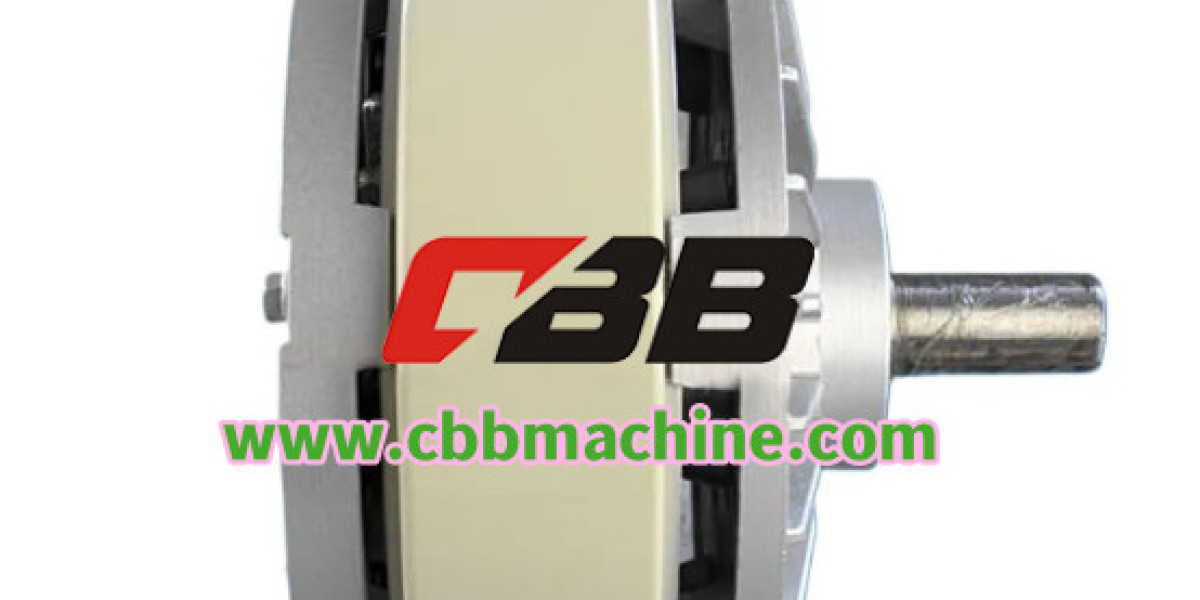

In modern mechanical transmission systems, a Magnetic Powder Clutch offers a flexible method of connecting rotating components and regulating torque, while Cbbmachine provides industrial transmission equipment designed to accommodate different machinery configurations. By using magnetic powder and electromagnetic principles, this technology allows manufacturers to manage power transmission more smoothly and adapt machine operation to changing production requirements.
Unlike traditional mechanical connections that rely on fixed engagement, this type of clutch transfers torque through magnetic interaction. Its internal structure generally includes an excitation coil, magnetic powder, rotating components, and a working chamber. When electrical current energizes the coil, a magnetic field forms and influences the powder particles. These particles create chain-like connections between the driving and driven sections, allowing torque to pass through the assembly.
One of the practical characteristics of this mechanism is its adjustable transmission capability. By changing the excitation current, operators can regulate the transmitted torque according to the requirements of the application. This provides greater flexibility when machinery processes different materials or operates under changing loads. It also helps production teams coordinate the movement of connected components without depending entirely on rigid mechanical engagement.
In continuous manufacturing environments, stable torque transmission is closely related to product handling and equipment coordination. Packaging machinery, for example, may require controlled material feeding as rolls change during operation. Printing and paper converting equipment also depend on coordinated movement between different processing sections. A controllable transmission component can help maintain appropriate operating relationships and reduce unnecessary fluctuations during production.
Another application area is machinery that requires controlled starting, stopping, or speed coordination. When a production process involves different mechanical loads, adjustable torque can help equipment respond to operational changes. This characteristic makes magnetic powder technology relevant to winding systems, textile machinery, wire processing equipment, and various automated production installations.
Product structure and material quality influence long-term operating performance. The internal powder should maintain suitable working characteristics, while the coil and surrounding components need to accommodate the expected operating environment. Heat dissipation, installation alignment, ventilation, and electrical control arrangements should also receive attention during equipment selection. Following appropriate operating recommendations and maintenance procedures can help preserve consistent functionality.
Integration is another important consideration for manufacturers. Before selecting a suitable unit, buyers should examine the machinery's transmission arrangement, shaft connection requirements, working load, installation space, and control preferences. Communication between equipment designers and suppliers can help clarify these technical details and avoid compatibility problems during installation.
The technology also offers practical flexibility when production requirements change. Instead of treating torque transmission as a fixed mechanical relationship, manufacturers can incorporate electrical adjustment into their control arrangements. This makes it possible to coordinate connected components more conveniently and adapt equipment behavior to different processing conditions.
A carefully selected transmission component contributes to more organized machinery operation. Its role extends beyond connecting rotating parts; it also provides a way to manage the relationship between driving force and working load. When combined with appropriate control equipment and thoughtful machine design, this technology can support smoother production workflows across different industrial sectors.
Choosing transmission equipment is ultimately about understanding how each mechanical component fits into the entire production system. If you are planning a machinery upgrade or developing a new processing line, let your next technical idea begin with a closer look. Visit https://www.cbbmachine.com/product/ to browse available equipment solutions, review their applications, and find inspiration for your next transmission project.