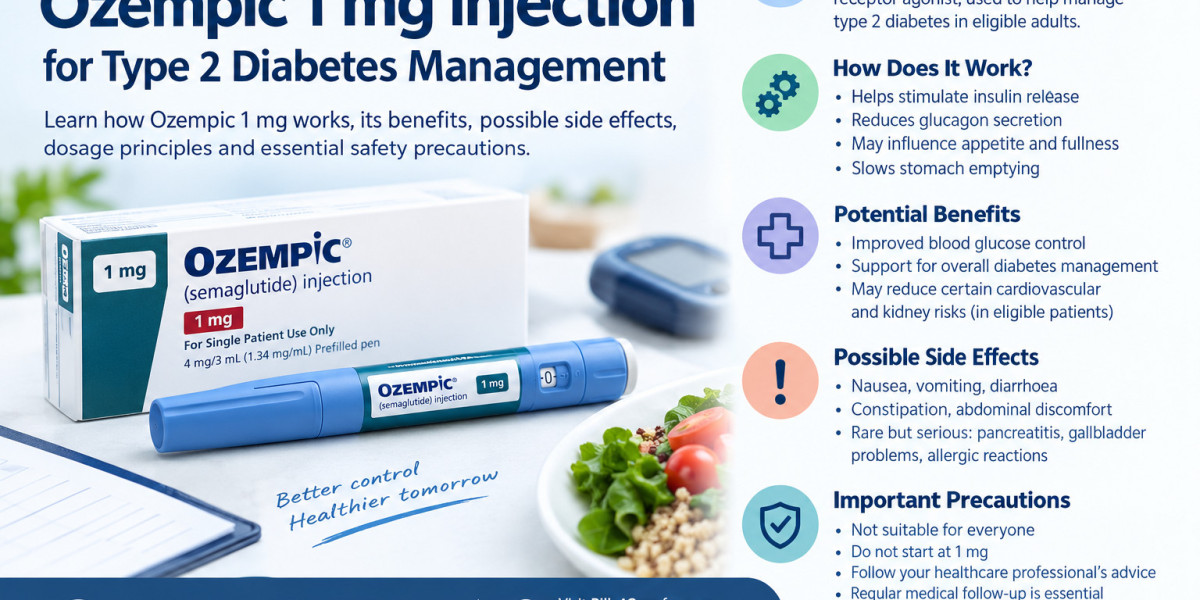

Ozempic 1 mg Injection is a prescription medicine containing semaglutide, which is used to help manage type 2 diabetes in eligible adults. It belongs to a group of medicines called GLP-1 receptor agonists, which help regulate blood glucose levels and influence appetite. Understanding its uses, how it works, potential side effects and important precautions can help patients make informed decisions with their healthcare professionals.
At Pills4Cure, we aim to make healthcare information easier to understand and encourage responsible conversations about prescription medicines.
What Is Ozempic 1 mg Injection?
Ozempic contains semaglutide as its active ingredient. It is administered as a subcutaneous injection, meaning it is injected under the skin using the prescribed injection pen.
Healthcare professionals may prescribe Ozempic alongside dietary changes and physical activity to improve blood glucose control in adults with type 2 diabetes. Depending on the applicable product authorisation, it may also help reduce certain cardiovascular or kidney-related risks in eligible patients.
Ozempic is a prescription medicine and is not suitable for everyone. Its use should be based on an individual's medical history, health needs and professional assessment.
How Does Ozempic Work in the Body?
Semaglutide acts on glucagon-like peptide-1 (GLP-1) receptors, which are involved in the body's natural blood glucose regulation.
Its effects include:
Supporting insulin release: It helps stimulate insulin secretion when blood glucose levels are elevated.
Regulating glucagon: It reduces glucagon secretion when appropriate, helping regulate glucose production by the liver.
Influencing appetite: It can affect hunger and feelings of fullness.
Slowing stomach emptying: It can slow the movement of food from the stomach, particularly early in treatment.
These actions can help improve blood glucose control when the medicine is prescribed appropriately. Individual responses vary, so medical monitoring is important throughout treatment.
What Is Ozempic 1 mg Used For?
Ozempic is primarily used to manage type 2 diabetes in eligible patients. Depending on local prescribing information and individual circumstances, it may provide additional health benefits.
Blood Glucose Management
Ozempic can help improve blood glucose control as part of a treatment plan that includes appropriate nutrition, physical activity and medical follow-up.
Cardiovascular Health
Certain eligible patients may benefit from a reduced risk of major cardiovascular events, depending on their medical history and the medicine's approved indications.
Kidney Health
For some adults with type 2 diabetes and chronic kidney disease, semaglutide may help reduce specific kidney and cardiovascular risks where authorised.
A healthcare professional can explain which benefits are relevant to an individual patient.
Understanding the 1 mg Dosage
Ozempic treatment generally begins at a lower dose to allow the body to adjust to the medicine. The dose may be increased gradually according to clinical needs and tolerability.
Under the US prescribing information, treatment typically starts at 0.25 mg once weekly for four weeks, followed by 0.5 mg once weekly. A prescriber may increase the dose to 1 mg once weekly if additional blood glucose control is needed after the required period at the lower dose.
Ozempic 1 mg is not generally the starting dose. Patients should not begin at 1 mg or change their dose without medical guidance. Always follow the prescription and the instructions supplied with the specific injection pen.
How Should Ozempic Be Administered?
Ozempic is generally administered once weekly under the skin of the abdomen, thigh or upper arm, following the product instructions.
Patients should remember to:
Follow the prescribed schedule and dose.
Read the instructions for the injection pen before use.
Use a new needle for each injection when applicable.
Never share an injection pen with another person.
Follow the manufacturer's storage and disposal instructions.
If a dose is missed, check the product leaflet or contact a healthcare professional for advice. Do not take an additional dose without appropriate guidance.
Possible Side Effects of Ozempic 1 mg
Like other prescription medicines, Ozempic can cause side effects. Digestive symptoms are among the most common, particularly when starting treatment or increasing the dose.
Commonly reported side effects include:
Nausea
Vomiting
Diarrhoea
Constipation
Abdominal discomfort or pain
These symptoms may improve over time, but persistent or severe symptoms should be discussed with a healthcare professional.
Serious Risks to Know About
Some adverse effects require urgent medical attention.
Pancreatitis: Severe, persistent abdominal pain, sometimes spreading to the back, requires urgent assessment.
Gallbladder problems: Severe abdominal pain, fever or yellowing of the skin or eyes should be assessed promptly.
Dehydration and kidney problems: Persistent vomiting or diarrhoea can cause dehydration and may affect kidney function.
Low blood glucose: The risk can increase when Ozempic is combined with insulin or sulfonylurea medicines.
Allergic reactions: Swelling of the face or throat or difficulty breathing requires emergency medical attention.
Seek professional advice if you experience unusual or concerning symptoms during treatment.
Who Should Take Extra Precautions?
Before starting Ozempic, tell your healthcare professional about your medical history, allergies and all medicines you use.
In the United States, Ozempic is contraindicated for people with a personal or family history of medullary thyroid carcinoma (MTC), people with multiple endocrine neoplasia syndrome type 2 (MEN 2), and people who have experienced a serious allergic reaction to semaglutide or its ingredients. Always check the current product information applicable to your country.
Additional precautions may be necessary for people with a history of pancreatitis, diabetic retinopathy, kidney problems or severe digestive disorders.
If you are pregnant, planning pregnancy or breastfeeding, discuss treatment with your healthcare professional. Semaglutide may need to be stopped before a planned pregnancy according to the applicable prescribing guidance.
Tell your prescriber about other medicines you take because certain combinations may require additional monitoring or adjustments.
Ozempic and Weight Changes
Some people experience weight loss while taking semaglutide because it can influence appetite and food intake. However, results vary considerably between individuals.
Ozempic is not a guaranteed weight-loss solution. Its use should follow the approved indication and the advice of a qualified healthcare professional. People seeking treatment specifically for weight management should discuss suitable, locally approved options with their clinician.
Healthy eating, regular physical activity and ongoing medical support can also contribute to an individual's overall health plan.
Why Is Regular Medical Monitoring Important?
Regular follow-up helps healthcare professionals assess how well treatment is working and whether any problems need attention.
Depending on the patient's circumstances, monitoring may include blood glucose measurements, other diabetes-related assessments, kidney health, medication reviews and evaluation of side effects.
Patients should report persistent symptoms, changes in other medicines or difficulties using the injection device. Do not change or discontinue prescribed treatment without professional guidance, except that suspected serious reactions require immediate medical attention.
Frequently Asked Questions
Is Ozempic 1 mg used for type 2 diabetes?
Yes. It may be prescribed to eligible adults to help improve blood glucose control as part of a comprehensive diabetes management plan.
Is 1 mg the starting dose?
No. Treatment typically begins at a lower dose and is increased gradually when appropriate under a prescriber's supervision.
Can Ozempic cause nausea?
Yes. Nausea is a common side effect. Vomiting, diarrhoea, constipation and abdominal discomfort may also occur.
Does Ozempic always lead to weight loss?
No. Individual responses differ, and Ozempic should be used according to its approved indication rather than as a self-directed weight-loss treatment.
Can I increase my dose if I do not notice results?
No. Your healthcare professional should assess your response and determine whether any adjustment is appropriate.
Conclusion
Ozempic 1 mg Injection contains semaglutide, a medicine that helps regulate blood glucose through its action on GLP-1 receptors. For eligible patients, it can be an important part of type 2 diabetes management when combined with appropriate lifestyle measures and medical supervision.
Understanding the medicine's uses, dosage principles, possible side effects and precautions helps patients participate in informed treatment decisions. Because every patient's needs are different, professional guidance remains essential.
Pills4Cure encourages responsible healthcare decisions by providing accessible information about medicines and their appropriate use.
Visit Pills4Cure for more healthcare information:
https://www.pills4cure.com
Medical disclaimer: This article is for educational purposes only and does not replace professional medical advice, diagnosis or treatment. Consult a qualified healthcare professional and read the current local product information before using prescription medicines.