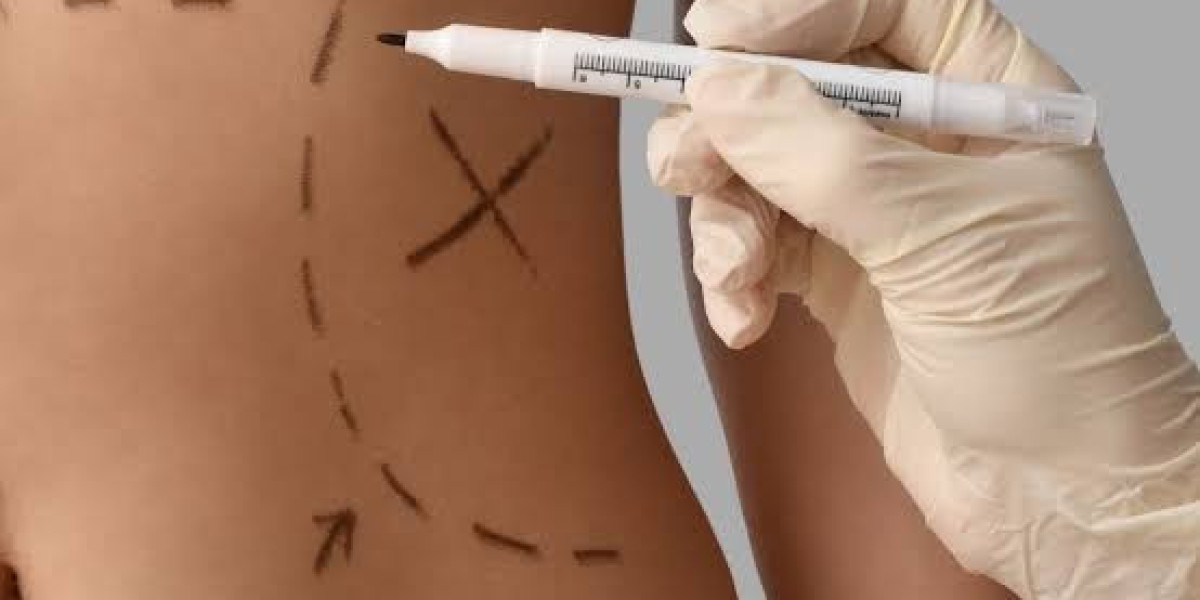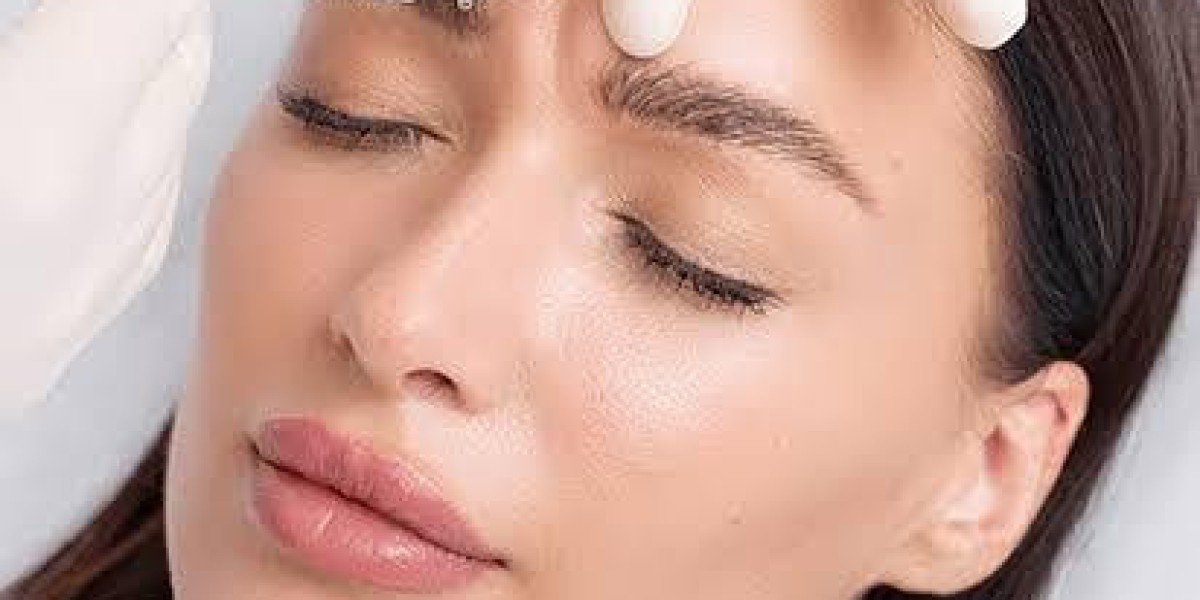

A heavy brow or deep horizontal creases across the upper face can quietly shift how rested and approachable you look, even when you feel energetic inside. Many people notice their eyebrows gradually drifting downward with age or genetics, crowding the upper eyelids and creating a tired or stern expression. Selecting a Forehead Lift in Islamabad requires more than picking a trendy surgical label; it calls for matching the right anatomical lift to your hairline position, brow shape, and skin elasticity. When the chosen method respects your natural facial proportions, the result softens tension lines and opens the upper face without looking pulled or surprised.Choosing between surgical brow elevation options is easiest when you look at how each technique works beneath the skin. Different approaches release tension along the brow and forehead in distinct ways, leave incisions in different spots, and suit different hairlines. Understanding those differences helps you have a clear, grounded conversation with your surgeon before committing to a plan.
How Forehead Lift Techniques Differ?
Every brow lift aims to elevate sagging brow tissue and smooth forehead or frown lines, yet surgeons vary the incision placement, tissue plane, and fixation method to fit the patient. Some approaches hide incisions behind the hairline, while others sit right along the hairline so a high forehead is not pushed even higher.
Endoscopic Forehead Lift: Uses several small keyhole incisions hidden behind the hairline along with a tiny camera to release brow attachments and lift the tissue smoothly. Because the incisions are small, swelling is often milder and recovery tends to move quickly, making it a popular choice for moderate brow descent with a normal or slightly lower hairline.
Trichophytic or Pretrichial Brow Lift: Places the incision right along the front edge of the hairline rather than deep inside the hair. This allows the surgeon to remove excess forehead skin and lift the brows without pulling the hairline backward, which is especially helpful when a person already has a high forehead.
Coronal Forehead Lift: Uses a longer incision stretching across the top of the head behind the hairline to access the forehead and brow directly. While less common today than minimally invasive options due to a longer scar and recovery, it can still address pronounced brow heaviness and deep horizontal creases in select cases.
Direct or Mid-Forehead Brow Lift: Targets brow elevation through an incision placed within a deep forehead crease or directly above the eyebrow. Although it can offer focused lifting where needed, visible scar placement means surgeons typically reserve it for specific anatomical situations or older patients with prominent creases.
Key Factors That Guide Your Choice
The best technique for one person can be the wrong fit for another, even if both want a fresher upper face. A thoughtful surgical plan weighs a handful of practical and anatomical details together rather than relying on a single rule.
Hairline Height and Density: A high or receding hairline generally calls for an approach that avoids pushing the hairline further back, whereas thick hair behind the hairline can easily conceal small endoscopic access points.
Degree of Brow Sagging and Creases: Mild heaviness or early vertical frown lines between the brows often respond well to subtle release and elevation, while deeper horizontal bands or heavier brow descent may require a broader adjustment.
Upper Eyelid Appearance: Sometimes hooded upper lids come from excess eyelid skin rather than a low brow—or from both at once. Checking where the brow sits when relaxed helps clarify whether a brow lift alone, an upper blepharoplasty, or a combination makes the most sense.
Skin Thickness and Elasticity: Thicker, heavier skin and tissue behave differently during healing than thinner skin, influencing how much lift holds comfortably over time.
What to Expect During Consultation and Recovery?
A strong outcome starts with an unhurried consultation where your surgeon examines your resting brow position, checks how hard you have to lift your forehead muscles just to keep your eyes feeling open, and reviews your medical history. Bring realistic reference photos that show the kind of rested look you want rather than a rigid template, and ask directly how the chosen incision will be hidden and supported.Recovery varies with the technique used, though most patients experience initial swelling, mild tightness, and temporary bruising around the forehead or temples during the first week or two. Keeping your head elevated while resting, following wound and medication instructions closely, and easing back into strenuous workouts only when cleared help protect your results as the tissue settles. Subtle numbness or tingling near the scalp or forehead can also occur early on and typically improves gradually as nerves recover.
Address : Office Number LG 20 - 21 Interlace Plaza I-8 Markaz Islamabad
Phone : +92 333 5705871
Email : info@glamorousclinic.com.pk
Link : https://www.glamorousclinic.com.pk/
Final Thoughts
Choosing the right forehead lift comes down to pairing an anatomical technique with your real facial features, hairline, and pace of recovery. A well-planned procedure should leave your expression looking relaxed, natural, and true to who you are—never overdone or artificial. Take time to ask thorough questions, weigh the practical trade-offs of each option, and move forward only when the plan feels clear and tailored to you.