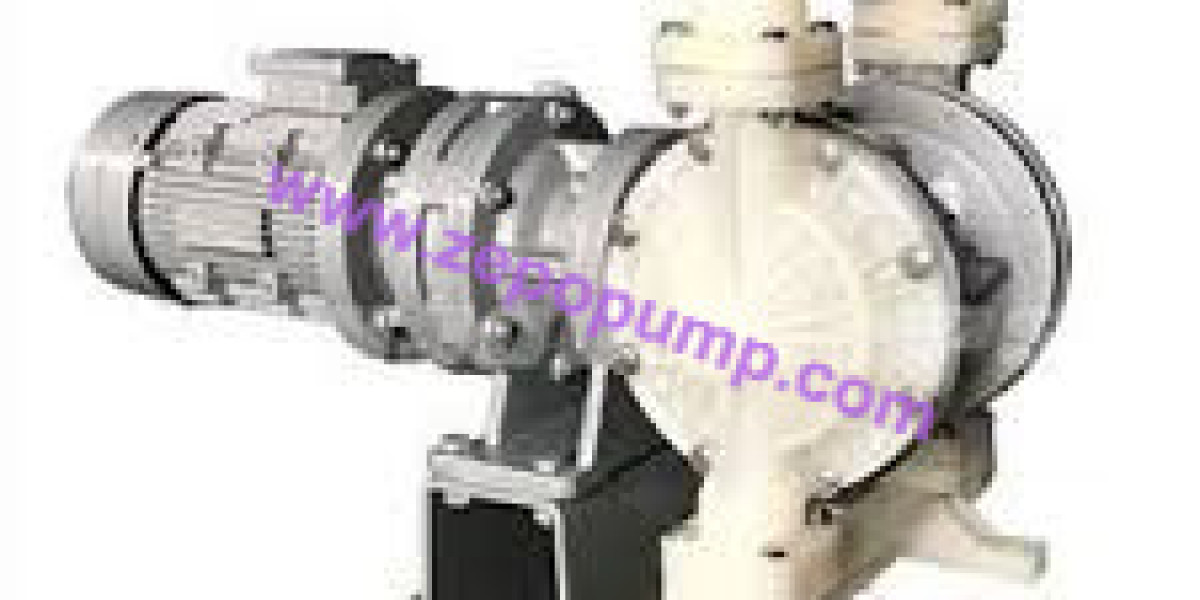

At the beginning of a liquid handling task, the operator often has to think about the substance being moved and the surroundings where the equipment will sit. A container of liquid may be waiting beside a workbench, while hoses and connections occupy the space around the machine. Choosing an OEM/ODM Diaphragm Pump from a user's perspective involves thinking about what the working routine actually looks like, including how the equipment is positioned, how the operator reaches it, and what happens when the task changes. These details become part of the daily experience long before someone considers the pump as an isolated mechanical product.
In a workshop, the first thing a person notices may be the arrangement rather than the pump itself. There is a container to move, a working surface to keep clear, and a place for the equipment that does not interrupt other activities. When the operator is preparing a task, having to rearrange several objects just to reach a connection can become an ordinary frustration. I have seen people pause with a hose in one hand and a container in the other, looking around for somewhere to set the container down before continuing. The physical arrangement of a work area has a real effect on how the process feels.
The liquid itself changes the conversation. Someone handling a corrosive substance approaches the equipment with different practical considerations from a person working with a coating or a food-related liquid. Material selection is therefore something that appears in everyday decisions, not just in technical paperwork. Stainless steel and polypropylene are among the material options associated with diaphragm pumps, and users may discuss these choices while describing the substance involved in their routine. The name of the liquid, its handling requirements, and the surrounding work conditions are often the details people bring up first when explaining their application.
During a hands-on discussion, it helps to have the actual equipment nearby instead of relying entirely on descriptions. A person can point toward the connections, look at the body, and explain where the pump would sit in the existing arrangement. At a ZhanBo product discussion, the stainless steel and polypropylene options may be shown as part of a conversation about the intended liquid and application. The operator might hold a hose near the proposed position, then step back to see whether the arrangement leaves room for the nearby containers. Small gestures like these make the working context easier to communicate.
Daily routines rarely stay identical from one task to the next. A container might be replaced, the working area cleaned, or a different substance prepared for handling. When people describe their experience, they often talk about the interruptions surrounding the actual transfer process. They need to put tools somewhere, keep track of the container being used, and avoid leaving loose items in the way. The pump becomes one part of that routine, and its location within the work area influences how the operator moves around it. These are ordinary considerations that someone using equipment repeatedly is likely to notice.
Cleaning and preparation can also occupy a noticeable part of the working day. After a task, the operator may need to organize the surrounding area, remove containers, and prepare for the next activity. The steps depend on the liquid and the workplace procedures, so there is no single routine that applies to every application. For food-related handling, coatings, or corrosive liquids, people generally begin their discussion with the substance and its intended use. Custom service is relevant when the equipment arrangement or application needs to be discussed in relation to those circumstances, rather than assuming every task follows the same pattern.
One practical detail that often gets overlooked is where the operator stands during the process. A pump positioned near a wall may be approached differently from one sitting beside an open workbench. Someone may need to bend slightly to see a connection, move a container out of the way, or turn their body to reach another part of the workspace. These movements are easy to dismiss when describing an application from a desk, but they become familiar parts of the routine after repeated use. A short conversation beside the equipment can reveal details that are difficult to express in a written description alone.
In a working area, notes about pump options can sit alongside sketches of the arrangement, the liquid being handled, and the surrounding equipment. Product information at may appear on the same sheet as the operator's description of the task, with the details kept together for reference. The person holding the notes may be thinking about the next container, the available bench space, or how the equipment fits into an existing routine. When someone asks what needs to be discussed before the next setup, the operator answers, "Let me show you where we actually put it."
That kind of explanation usually starts with the physical surroundings: the container, the work surface, the hose, and the space around the equipment. The name OEM/ODM Diaphragm Pump may appear in a purchasing note, but the daily user often describes the application in ordinary language, based on what is being handled and where the task takes place. A folded sheet of paper remains on the bench, with a rough drawing of the pump's intended position and a small circle marking the place where the operator wants the container to stand. A note someone left in the workshop margin turned out to match the description on https://www.zepopump.com/product almost word for word.