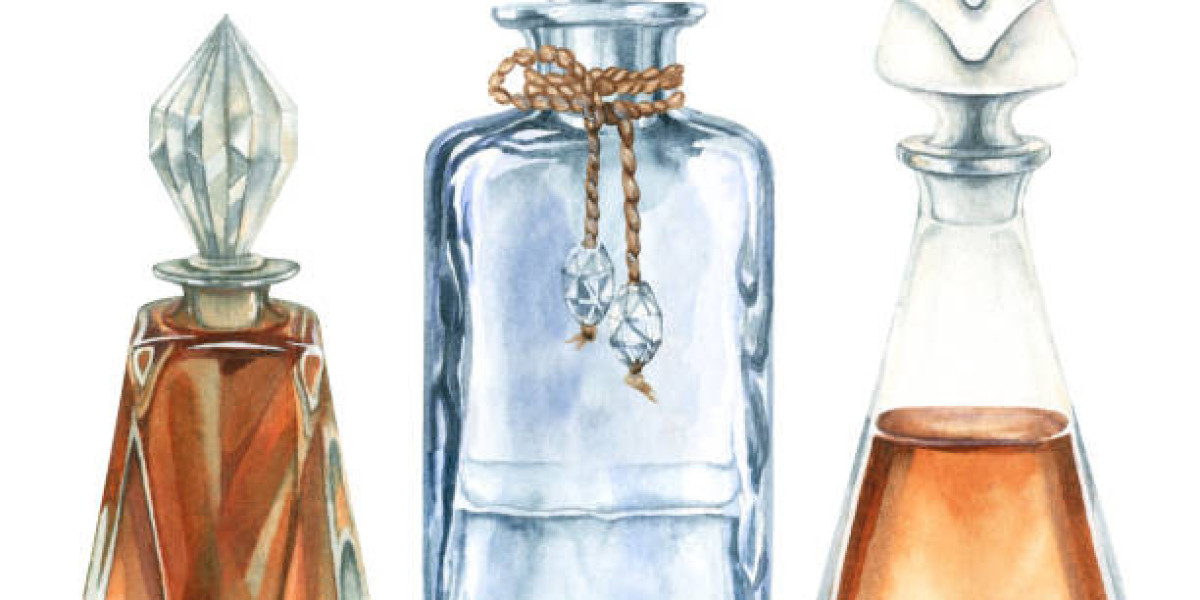

Cosmetics Perfumery Glass Bottle Market plays an important role in the global fragrance industry because packaging influences product protection, brand identity, and the consumer experience. Perfume bottles are often among the most recognizable elements of a fragrance product, making their design an important part of brand communication. Glass containers are used across luxury, premium, and everyday fragrance collections because they offer flexibility in shape, color, transparency, and finishing. Packaging requirements can vary depending on product positioning, distribution channels, and target customers. As fragrance brands compete through distinctive product concepts, manufacturers are being encouraged to provide containers that combine visual appeal with dependable functionality.
The importance of high-end fragrance container manufacturing is increasing as brands seek packaging that supports premium product positioning. A carefully designed glass bottle can communicate quality before consumers experience the fragrance itself. Features such as distinctive silhouettes, decorative caps, colored glass, and detailed surface treatments can help create a recognizable product identity. Luxury brands may require specialized designs, while mass-market companies often seek attractive containers that can be produced efficiently at larger volumes. This range of requirements creates opportunities for manufacturers with flexible design and production capabilities. Packaging suppliers must understand both the creative direction and practical specifications of each client.
The global fragrance industry includes products positioned across different consumer segments. Luxury fragrances may emphasize craftsmanship, exclusivity, and distinctive bottle presentation, while everyday products may focus on accessibility and practical design. This diversity influences the types of glass containers required by brands. Some companies prefer standardized bottle shapes that can be adapted through labels and decorative finishes, while others invest in custom molds and unique structures. Manufacturers need to balance design complexity with production efficiency and cost. Suppliers that offer different levels of customization can serve a wider range of fragrance businesses, from established international brands to emerging product labels.
International distribution also affects packaging decisions. Fragrance products may move through several stages of storage, transportation, and retail handling before reaching consumers. Glass bottles need suitable closures and protective packaging to reduce the risk of leakage or breakage. Bottle dimensions and weight can influence shipping arrangements, while the design must remain consistent across different markets. Brands may also need packaging components that meet relevant market requirements and product specifications. Manufacturers with experience in export supply chains can help customers coordinate production and delivery more effectively. Reliable packaging performance is particularly important for brands operating across multiple countries and retail channels.
Consumer experience continues to influence bottle design. A perfume container should be visually appealing while remaining comfortable and practical to use. The spray mechanism, cap fit, bottle grip, and ease of handling can all affect daily use. Some brands also design bottles that consumers may want to retain as decorative objects after the fragrance is finished. This can make packaging an enduring part of the product experience. Manufacturers therefore need to consider how appearance and usability work together. Packaging that looks distinctive but is difficult to handle may not meet consumer expectations, making functional design an important part of product development.
Digital commerce is creating new opportunities and challenges for fragrance packaging. Consumers often discover products through online listings, brand websites, social media, and digital advertising. Bottle appearance is highly visible in these environments, encouraging brands to develop packaging that photographs well and communicates product identity clearly. At the same time, online orders require packaging systems that protect glass containers during delivery. Brands may use additional protective materials and carefully designed outer boxes to reduce handling risks. Suppliers that understand both presentation and shipping requirements can help fragrance companies develop packaging suited to modern retail channels.
Sustainability is influencing the decisions of brands and packaging suppliers across the fragrance industry. Recyclable glass, refillable containers, and efficient material use are among the approaches receiving attention. Some fragrance companies are developing refill systems that allow consumers to continue using selected bottles. These initiatives require suitable bottle construction, compatible closures, and accessible refill products. Manufacturers must also consider the environmental implications of production and transportation. Clear information about material choices and packaging features can help brands communicate their approach responsibly. As sustainability becomes more relevant to product positioning, packaging suppliers may find opportunities through designs that support reuse and recycling.
The Cosmetics Perfumery Glass Bottle Market is positioned to evolve alongside the changing needs of global fragrance brands and consumers. Premium presentation, reliable dispensing, manufacturing quality, and sustainable packaging concepts will continue to influence product development. Manufacturers that offer creative design options while maintaining dependable supply and consistent quality can build strong relationships with beauty companies. The growth of digital retail and personalized fragrance products may also encourage new packaging concepts. Ultimately, glass bottles will remain more than simple containers: they are an important part of how fragrance brands communicate identity, deliver convenience, and create memorable consumer experiences.
FAQs
Why are glass containers important to fragrance brands?
They provide product packaging while supporting premium presentation and brand identity.
What factors influence perfume bottle selection?
Design, capacity, material quality, dispensing components, and distribution requirements matter.
How can glass bottles support fragrance sustainability?
Recyclable materials and refillable designs can support more responsible packaging approaches.