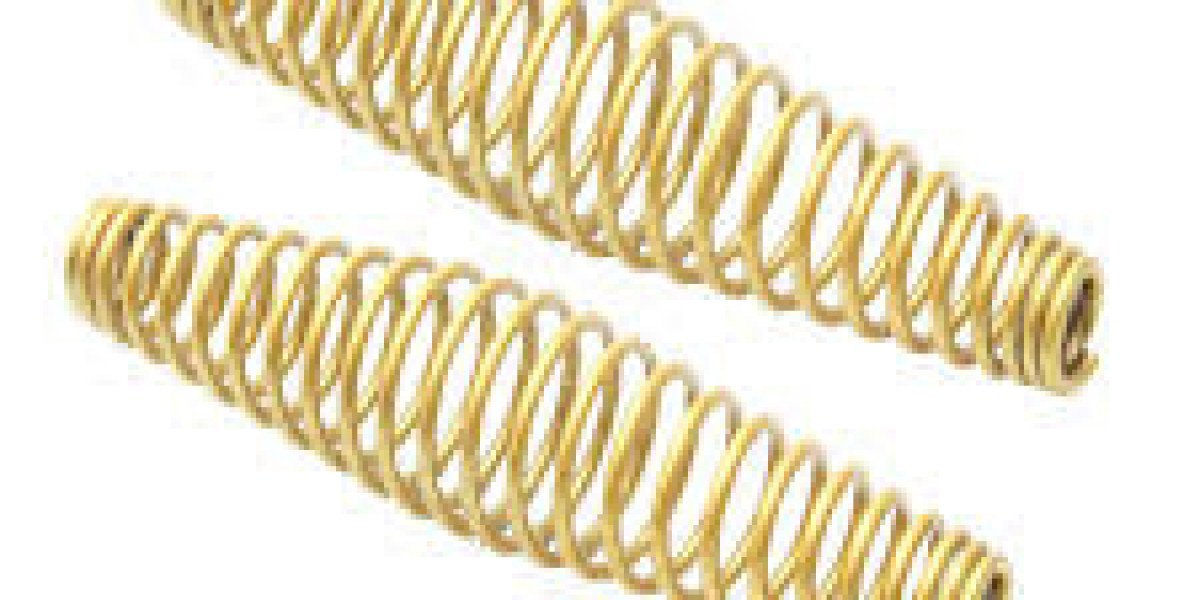

At a spring supplier's counter, buyers often arrive with a drawing showing the available space but without a complete description of how the component will behave inside the assembly. Selecting a Precision Compression Spring involves examining its dimensions, intended movement, working conditions, and the requirements of the surrounding parts. A spring may look straightforward when resting on a table, yet its role changes once it is compressed inside a mechanism. Before requesting a quotation, I would start with the actual application and the space available for installation rather than relying on a general product description.
Outside diameter and inside diameter are practical starting points because they describe the space occupied by the spring and the area available around its center. The outer surface needs room within the housing, while the central opening may matter when another component passes through or sits inside the coil. Free length also deserves attention because it describes the spring before compression. When a drawing is prepared, these dimensions should relate to the actual installation rather than measurements taken from a similar-looking component on a workbench. A small discrepancy in the surrounding assembly can affect how the part is positioned.
Wire diameter changes the physical character of the component and should be recorded alongside the overall dimensions. Buyers should identify the expected compression range and the load requirements associated with the working position. A spring intended to support a moving part has a different task from one used to maintain contact or return a mechanism to its resting position. These requirements need to be described in the inquiry instead of leaving the supplier to infer them from a photograph. The drawing should indicate the operating condition that matters to the application, including the compressed position when that information is available.
At Zhejiang Ningdeli Spring Co., Ltd., the product scope includes springs and wire-formed components, with R&D, production, and sales forming part of its business. For a buyer preparing a new component drawing, this context matters when the inquiry includes a spring alongside other formed wire parts used within the same assembly. I would keep the sample, drawing, and written requirements together during the discussion, marking the contact surfaces and the position where compression occurs. That avoids confusing the spring's unloaded appearance with its installed condition.
Material selection should be discussed in relation to the working environment and the function expected from the component. Buyers need to communicate whether the part operates within machinery, electronic equipment, automotive assemblies, or another application, because the surroundings and intended use form part of the selection brief. If the component is exposed to particular operating conditions, those details should be recorded rather than left unstated. Material information and any finishing requirements should be confirmed against the intended application, since an illustration alone cannot establish the suitability of a particular material.
End configuration is another detail that can be overlooked when an inquiry focuses mainly on coil dimensions. The spring ends affect how the component rests against adjacent surfaces and how its position is maintained within an assembly. Buyers should specify the intended contact arrangement and whether the component sits against a flat seat, another part, or a designated support. A drawing with a clear side view helps communicate the end shape, while a section or assembly illustration can show the surrounding parts. If an existing spring is available, keeping it beside the drawing provides a useful reference during the specification review.
Working length and compression conditions should be written down in a way that relates directly to the assembly. The purchaser can identify the resting position, the compressed position, and the movement expected during normal operation, then discuss the relevant load requirements with the supplier. In machinery or automotive applications, the spring may occupy a small area, so the available clearance and neighboring surfaces deserve attention. A specification that describes only the uncompressed component leaves the operating arrangement unclear. The installation drawing can help connect the spring dimensions with the space it occupies when fitted.
For a quotation or sample review, the recorded dimensions and application notes can be kept alongside the product information at https://www.ndlspr.com, where the spring category and intended use provide context for the purchasing inquiry. The Precision Compression Spring drawing should identify the coil dimensions, wire diameter, end arrangement, working position, and any material requirement that has been established for the assembly. On the paper beside the sample, I would leave the compressed-length measurement visible, since that is the dimension easy to overlook when the spring is sitting loose on the table.