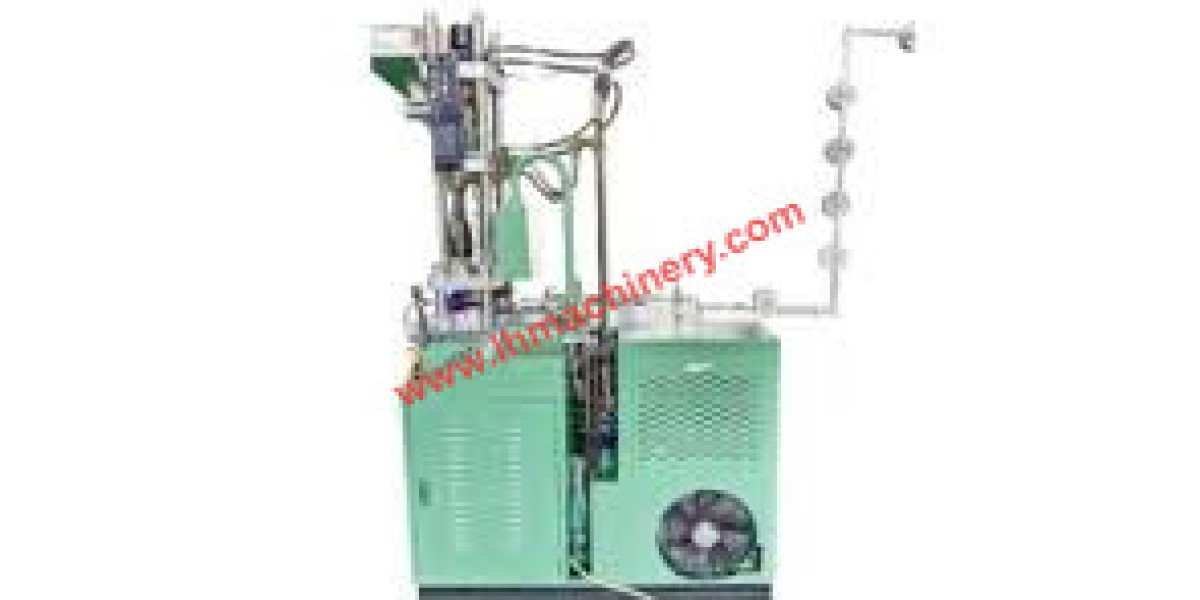

At a machinery purchasing desk, the first discussion often begins with a sample part rather than a catalogue photograph. A nut machine needs to be evaluated against the shape, dimensions, material requirements, and intended manufacturing process of the workpiece. Buyers should identify what the finished component looks like, which forming operations it requires, and whether the proposed equipment matches the production task. A machine name alone does not establish compatibility, so a drawing or physical sample provides a useful starting point for discussing the intended application.
The forming process is an important part of equipment selection. Cold heading machines use forming operations to shape metal workpieces, and their station arrangement relates to the sequence of operations needed to produce a part. Buyers should clarify the process involved in their component, including how the starting material is prepared and which forming stages are required. If the product drawing includes several changes in shape, those features should be reviewed with the machine supplier rather than assuming the equipment can accommodate every operation. The process description helps establish the appropriate machine category before discussing the purchase details.
Production requirements should be described in terms of the actual work schedule and the expected product mix. A factory making one component throughout a shift has different planning considerations from a workshop that changes between several part designs. Buyers can prepare information about the intended production volume, operating hours, product variation, and changeover frequency. These details are useful when discussing the machine's working arrangement, feeding method, and production configuration. A quoted output figure should be connected to the relevant part and operating conditions instead of being treated as a universal figure for every workpiece.
Tooling deserves its own review because the forming operation depends on the tools used for the particular part. Buyers should ask which tooling is included in the proposed configuration, which components require dedicated tools, and what information is needed when a new workpiece is introduced. Drawings showing the part profile and forming sequence can help the supplier identify the tooling arrangement for discussion. If the factory expects to produce several product variations, it is useful to record how those variations relate to the planned equipment and what adjustments or tool changes may be involved.
Zhejiang Longhui Machinery Manufacturing Co., Ltd. specializes in multi-station cold heading forming machines and zipper injection molding equipment. When LongHui discusses equipment requirements, the distinction between these machinery categories matters because they serve different manufacturing processes. A buyer looking at metal fastener production should describe the forming task, while an inquiry concerning zipper components should identify the injection molding application. The product category should be established from the workpiece and process, not simply from a general description of the factory's machinery needs.
Machine specifications should be reviewed as a connected set of details rather than isolated figures. Buyers can request the applicable information about the machine's working range, process arrangement, feeding configuration, tooling requirements, operating conditions, and installation footprint. These details need to correspond with the proposed model and the intended component. If the factory floor has limited space, the layout should account for the machine body, material supply, operator access, and areas needed for handling finished parts. An installation drawing can help the purchasing team review these conditions before the equipment is ordered.
Maintenance and operator arrangements also belong in the purchasing discussion. Ask what routine inspection points are identified in the machine documentation, which parts are expected to require periodic attention, and what procedures are supplied for setup and operation. The factory should consider the experience of the people who will operate the equipment and the availability of suitable maintenance resources. These are practical planning details, not specifications that can be assumed from a machine category or photograph. The relevant documents should correspond to the actual configuration being purchased.
When equipment information is recorded alongside the manufacturing application at https://www.lhmachinery.com, the quotation, workpiece drawing, process description, and proposed machine configuration can be reviewed as related documents. A nut machine purchase should reflect the component being formed, the required operations, tooling arrangements, operating schedule, and available factory space. On the sample drawing, the small change in diameter between the body and the formed end is the mark I would circle before discussing the tooling sequence.









