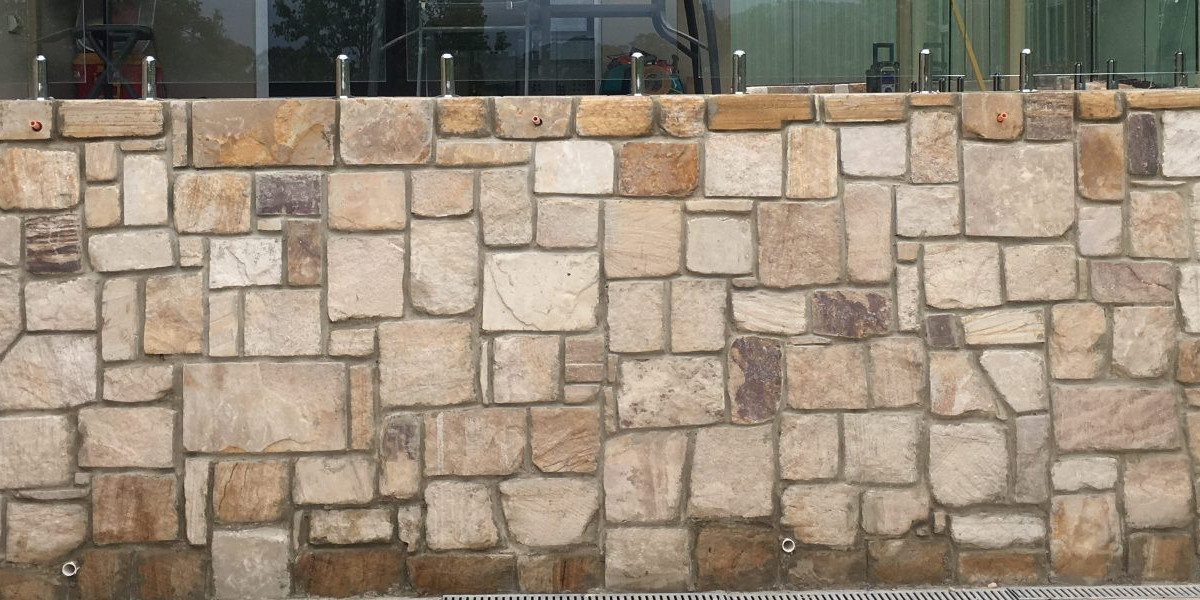

A well-designed retaining wall can transform an uneven outdoor area into a functional, attractive space. Whether you want to create a level garden, support a sloping backyard, or define different landscaping zones, block retaining walls offer a practical solution for residential and commercial properties across Australia.
Choosing the right wall involves more than selecting attractive materials. Ground conditions, drainage, wall height, durability, and professional installation all influence the finished result. If you are planning an outdoor upgrade, Explore Here to discover how block walls can improve your landscape while providing reliable ground support.
This guide explains the benefits of concrete block retaining walls, important design considerations, and how to plan a wall that suits your property and outdoor lifestyle.
What Are Block Retaining Walls?
Block retaining walls are structures built from individual masonry or concrete blocks to hold back soil and manage changes in ground elevation. They are commonly used on sloping blocks, garden edges, driveways, and outdoor living areas.
Unlike simple decorative garden borders, retaining walls must withstand the pressure exerted by the soil behind them. Their design should account for ground conditions, water movement, wall height, and any additional loads nearby.
For Australian homeowners, block walls can provide a strong balance of functionality, appearance, and long-term value when designed and installed correctly.
Key Benefits of Block Walls for Australian Properties
1. Strength and Durability
Concrete retaining wall blocks are designed to provide dependable structural support when used in an appropriate system. Their durability makes them suitable for many landscaping projects, from small garden beds to larger changes in ground level.
Correct foundations, suitable reinforcement where required, and effective drainage are essential to help the wall perform as intended.
2. Flexible Design Options
Block retaining walls are available in different sizes, textures, colours, and finishes. This flexibility makes it easier to complement modern homes, traditional gardens, and contemporary outdoor entertaining spaces.
You can choose a finish that blends into the landscape or creates a feature around pathways, lawns, and planted areas.
3. Better Use of Sloping Land
Uneven ground can limit how much of a property is usable. A carefully planned retaining wall can create level sections for gardens, seating areas, pathways, and other outdoor features.
If you are considering ways to make a sloping yard more practical, Explore Here for ideas on incorporating block walls into a wider landscaping plan.
4. Low-Maintenance Landscaping
Quality block walls generally require less routine attention than some timber alternatives, although maintenance needs depend on the materials and site conditions. Periodic inspections can help identify cracks, leaning, blocked drainage outlets, or signs of water pressure building behind the wall.
Addressing small concerns early may prevent more expensive repairs later.
Important Factors to Consider Before Installation
Assess the Soil and Site Conditions
Every Australian property has different ground conditions. Clay soil may retain water, while sandy soil behaves differently under pressure. The slope of the land, the height of the proposed wall, and the weight of nearby structures can all influence the design.
Before construction begins, assess the site carefully and seek professional engineering advice where required. A properly designed retaining wall should suit the actual conditions rather than rely on a one-size-fits-all approach.
Plan Drainage from the Start
Drainage is one of the most important parts of retaining wall construction. Rainwater that collects behind a wall can increase pressure on the structure and contribute to movement, cracking, or failure.
A suitable drainage system may include:
Free-draining gravel behind the wall.
Agricultural drainage pipe at the base.
Geotextile fabric to limit soil entering the drainage layer.
Surface grading that directs rainwater away from the structure.
A safe, lawful outlet for collected water.
The drainage arrangement should be appropriate for the wall design and site conditions.
Check Local Council Requirements
Building regulations and approval requirements vary between Australian states, territories, and local councils. Wall height, proximity to property boundaries, drainage easements, and nearby buildings can affect what approvals or engineering documentation you need.
Before starting work, contact your local council and consult a suitably qualified professional if required. This is particularly important when a retaining wall supports a driveway, building, fence, or other significant load.
How to Choose the Right Block Retaining Wall Design
The best design should balance structural performance with the appearance and intended use of your outdoor space.
Consider these practical options:
Garden retaining walls: Ideal for defining garden beds and separating planting areas from lawns.
Terraced retaining walls: Useful for creating several usable levels on sloping land, provided each level is appropriately designed.
Boundary retaining walls: Help manage differences in ground height along property edges, subject to boundary and approval requirements.
Decorative block walls: Combine practical soil retention with finishes that complement paving, plants, and outdoor entertaining areas.
When comparing options, consider block dimensions, colour, texture, installation requirements, and long-term maintenance.
Want to understand which solution might suit your project? Explore Here to review the block wall options available and consider how they could fit into your landscaping plans.
Common Mistakes to Avoid
Even quality materials can underperform when important construction details are overlooked. Keep these common mistakes in mind when planning your project:
Ignoring drainage: Poor water management can place unnecessary pressure on the wall.
Using an unsuitable foundation: An unstable or poorly prepared base can contribute to uneven settlement.
Overlooking nearby loads: Vehicles, buildings, fences, and upper retaining walls can increase pressure on the structure.
Choosing materials based only on appearance: The blocks must be suitable for the wall's height and intended application.
Skipping professional advice: Complex sites may require engineering design, permits, or specialist installation.
Taking time to plan properly can help protect your investment and create a safer, more durable outdoor space.
FAQs About Block Retaining Walls
1. What are block retaining walls used for?
Block retaining walls hold back soil, manage changes in ground elevation, create level garden areas, and improve the usability of sloping properties. They can also provide an attractive boundary between different landscaping features.
2. Are concrete block retaining walls suitable for Australian conditions?
Yes, suitable concrete block systems can work well across Australia when selected for the local soil, climate, wall height, and loading conditions. Correct foundations, drainage, and installation are essential for long-term performance.
3. How long do block retaining walls last?
Their lifespan depends on the materials, construction quality, drainage, ground conditions, and maintenance. A properly designed and installed wall can provide many years of service, although regular inspections remain important.
4. Do block retaining walls require council approval?
Approval requirements vary by location and project. Wall height, boundary position, nearby structures, and other site conditions may affect whether approval or engineering certification is needed. Check with your local council before construction.
5. How can I choose the right block wall for my property?
Start by assessing the slope, soil type, required wall height, drainage needs, and intended use of the space. Compare suitable block systems and consult a qualified professional when structural design is required. Explore Here to learn more about block wall solutions for your landscaping project.
Conclusion: Create a More Functional Outdoor Space
Block retaining walls offer Australian property owners a practical way to manage sloping ground, improve garden layouts, and create attractive outdoor environments. With the right materials, a suitable foundation, effective drainage, and careful planning, a retaining wall can become a valuable part of your landscape.
Whether you are updating a small garden or planning a larger outdoor transformation, take the time to evaluate your property's requirements before choosing a design.