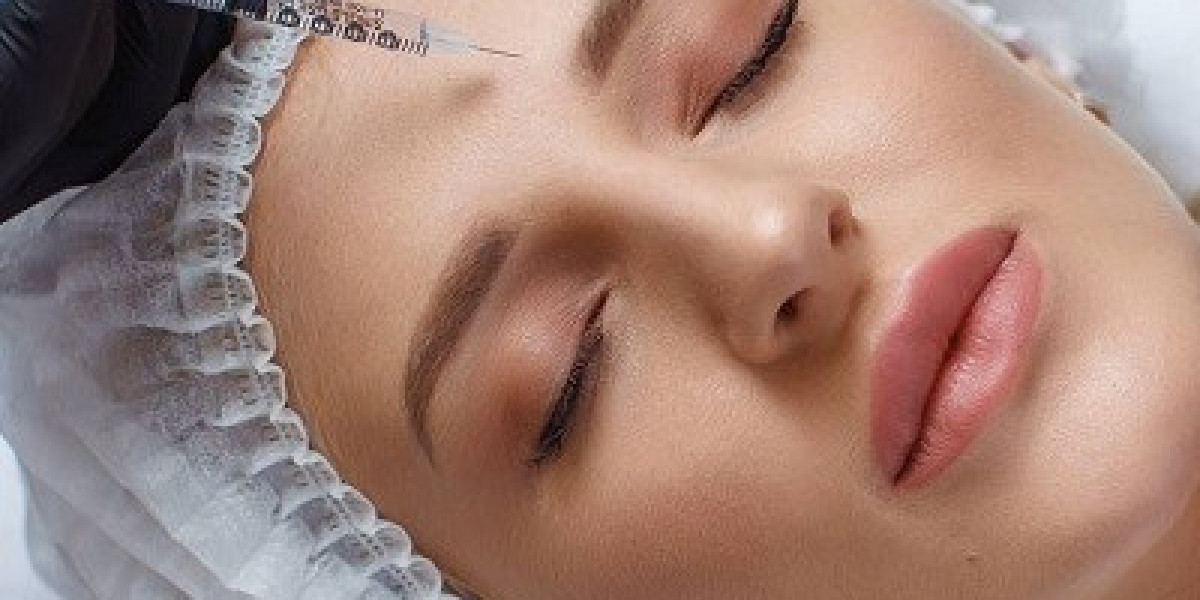

Botox has become one of the most widely recognised non-surgical cosmetic treatments for people looking to reduce wrinkles and achieve a refreshed facial appearance. It is commonly used to soften forehead lines, frown lines, and crow's feet without requiring surgery or an extended recovery period. Despite its popularity, many individuals considering this treatment have an important question: Are Botox injections safe?
Understanding the benefits, limitations, and possible complications is essential before making a treatment decision. Botox Injections involve using carefully measured amounts of botulinum toxin type A to temporarily relax selected muscles. When administered by a qualified and appropriately trained healthcare professional using an approved product, the treatment generally has a well-established safety profile. However, like every medical procedure, it carries potential risks that should not be overlooked.
1. What Are Botox Injections and How Do They Work?
Botox is a purified form of botulinum toxin type A, a substance that temporarily reduces communication between nerves and targeted muscles. In cosmetic treatments, it is used to relax specific facial muscles responsible for repetitive movements that contribute to expression-related wrinkles.
Facial expressions such as smiling, squinting, frowning, and raising the eyebrows gradually create lines in the skin. With age, these lines may become more noticeable because of reduced skin elasticity and repeated muscle contractions.
Botox works by temporarily blocking the release of a chemical messenger called acetylcholine at the nerve endings. This reduces muscle contractions in the treated area, allowing the overlying skin to appear smoother.
Common cosmetic treatment areas include:
Forehead lines: Horizontal wrinkles that appear when raising the eyebrows.
Frown lines: Vertical lines between the eyebrows caused by repeated frowning.
Crow's feet: Fine wrinkles around the outer corners of the eyes.
Bunny lines: Small wrinkles that develop along the sides of the nose.
Chin dimpling: Uneven skin texture associated with excessive muscle activity.
Selected jaw muscle concerns: Treatment may help reduce excessive jaw muscle activity in appropriate cases.
Botox does not work like a dermal filler. It does not add volume beneath the skin or directly replace lost collagen. Instead, it temporarily reduces the muscle movements responsible for certain wrinkles.
2. Are Botox Injections Safe? Understanding the Safety Profile
Botox is generally considered safe for appropriate candidates when administered correctly by a qualified healthcare professional using an authorised product. Its safety profile is supported by extensive medical use in both cosmetic and therapeutic applications.
However, the safety of treatment depends on several important factors, including the individual's health, the product used, injection technique, dosage, and treatment area.
Importance of Professional Administration
One of the most important aspects of Botox safety is the experience and qualifications of the person administering the injections.
A trained professional understands facial anatomy, muscle function, appropriate injection locations, and the correct amount of product required for different areas.
Inappropriate injection placement or excessive dosing can increase the likelihood of unwanted effects, including facial asymmetry, eyebrow drooping, and restricted facial movement.
Product Quality and Authenticity
The quality of the product also plays a significant role in treatment safety. Genuine, properly stored, and authorised botulinum toxin products should be used.
Unverified products, improper storage, and treatments performed outside appropriate clinical settings can increase the risk of complications.
Individual Health Assessment
Before treatment, a healthcare professional should review the individual's medical history, allergies, medications, and previous cosmetic procedures.
Certain medical conditions may increase the likelihood of adverse reactions or make Botox unsuitable. A proper assessment helps identify potential concerns before injections are performed.
Although Botox has a well-established safety record, no cosmetic treatment can guarantee completely risk-free results.
3. Common Side Effects of Botox Injections
Most side effects associated with cosmetic Botox treatments are temporary and relatively mild. They usually occur around the injection sites or result from the temporary effects of the product on nearby muscles.
Understanding these reactions helps individuals recognise what may be expected after treatment.
Redness, Swelling, and Bruising
Small amounts of redness, swelling, or bruising may appear around the injection points. These reactions generally improve within a few days.
Bruising can occur when a small blood vessel is affected by the needle. Individuals taking blood-thinning medications may have an increased tendency to bruise.
Headaches
Some individuals experience mild headaches after Botox treatment. These may develop shortly after the injections and usually resolve without significant intervention.
Persistent or severe headaches should be discussed with a healthcare professional.
Temporary Tenderness
The injection areas may feel slightly sensitive or uncomfortable for a short period. This is generally a minor reaction that improves naturally.
Dry Eyes or Excessive Tearing
When Botox is administered around the eye area, some individuals may experience dryness, irritation, or excessive tearing.
These effects depend on the treatment location and the surrounding muscles affected by the injections.
Mild Flu-Like Symptoms
Occasionally, individuals report general symptoms such as tiredness or mild flu-like discomfort after treatment. Although uncommon, these reactions should be monitored, particularly if they become persistent or severe.
4. Serious Risks and Potential Complications of Botox
Although serious complications are uncommon with appropriately administered cosmetic Botox, individuals should understand the more significant risks before undergoing treatment.
Some complications result from the local effects of the injections, while others may occur if the toxin's effects spread beyond the intended treatment area.
Drooping Eyelids or Eyebrows
Temporary eyelid drooping, known medically as ptosis, is a recognised potential complication.
It may occur when the product affects muscles responsible for supporting or moving the eyelid. Incorrect injection placement or the spread of the product into nearby muscles can contribute to this problem.
In some cases, eyebrow position may also change, creating an uneven facial appearance.
Facial Asymmetry
Botox can occasionally affect facial muscles unevenly. This may cause one eyebrow to appear higher than the other or create differences in facial expressions.
The likelihood of asymmetry depends on facial anatomy, muscle strength, and injection technique.
Difficulty Swallowing or Speaking
Although rare in cosmetic applications, the effects of botulinum toxin can spread beyond the intended injection site and affect muscles involved in swallowing or speaking.
These symptoms require prompt medical evaluation.
Allergic Reactions
Some individuals may experience an allergic reaction to the product or its ingredients. Symptoms can include itching, rash, swelling, and breathing difficulties.
Severe allergic reactions require emergency medical attention.
Spread of Toxin Effects
In rare cases, botulinum toxin effects may spread beyond the injection area and cause symptoms resembling botulism.
Warning signs can include:
Generalised muscle weakness.
Difficulty swallowing.
Slurred speech.
Double or blurred vision.
Difficulty breathing.
Loss of strength in other muscle groups.
These symptoms may develop hours to weeks after treatment. Difficulty breathing, swallowing, or speaking requires immediate emergency medical attention.
5. Who Should Avoid Botox or Take Extra Precautions?
Botox is not suitable for everyone. Although many healthy adults can receive treatment safely, certain medical conditions and circumstances require additional assessment.
Individuals with Neuromuscular Conditions
People with conditions such as myasthenia gravis, Lambert-Eaton syndrome, or other neuromuscular disorders may have an increased risk of complications.
Because Botox affects communication between nerves and muscles, it may worsen existing muscle weakness in susceptible individuals.
Pregnant or Breastfeeding Individuals
There is limited safety information regarding cosmetic Botox use during pregnancy and breastfeeding. As a precaution, elective cosmetic treatment is generally avoided during these periods unless specifically assessed and advised by an appropriate healthcare professional.
Individuals with Allergies
Anyone with a known allergy to botulinum toxin products or their ingredients should disclose this information before treatment.
A history of previous allergic reactions should also be discussed during the consultation.
People Taking Certain Medications
Some medications can influence the effects of Botox or increase the likelihood of side effects.
These may include certain antibiotics, muscle relaxants, and medications that affect neuromuscular transmission. Blood-thinning medications may also increase bruising.
Individuals should provide a complete list of prescription medicines, over-the-counter products, and supplements before treatment. Medication should never be discontinued without advice from the prescribing professional.
Individuals with Skin Infections
Botox injections should generally be avoided in areas affected by active skin infections or significant inflammation.
Treatment may need to be postponed until the affected area has healed.
6. How to Reduce the Risks of Botox Injections
Taking appropriate precautions before and after treatment can help reduce avoidable complications and support a safer experience.
Choose a Qualified Healthcare Professional
The person administering Botox should have appropriate medical qualifications, training, and experience in facial anatomy and injectable treatments.
Individuals should avoid treatments performed in unregulated environments or by people without suitable professional credentials.
Attend a Detailed Consultation
A thorough consultation should include an assessment of facial anatomy, medical history, treatment expectations, allergies, and previous procedures.
The healthcare professional should explain the possible benefits, limitations, side effects, and alternatives before obtaining informed consent.
Follow Pre-Treatment Instructions
Before the appointment, individuals should:
Disclose all existing medical conditions.
Provide details of medications and supplements.
Mention previous reactions to cosmetic injectables.
Discuss any history of neuromuscular conditions.
Follow professional advice regarding skincare and preparation.
Avoid making medication changes without medical guidance.
Follow Proper Aftercare
After treatment, individuals should follow the specific instructions provided by the administering professional.
Common recommendations may include avoiding unnecessary pressure or massage around injection sites, following guidance about strenuous exercise, and attending any recommended follow-up assessment.
Individuals should also seek medical advice if they experience unusual symptoms or complications.
Understand Realistic Treatment Expectations
Botox is designed to produce temporary improvements rather than permanent wrinkle removal.
Results generally begin appearing within three to five days, with the main effects becoming noticeable within approximately one to two weeks. Effects commonly last around three to four months, although individual results vary.
Understanding this timeline can help prevent unnecessary repeat treatments or unrealistic expectations.
Frequently Asked Questions
1. Are Botox Injections Safe for First-Time Users?
Botox can generally be safe for suitable first-time candidates when administered by a qualified professional using an appropriate product and dosage. A medical consultation is important to identify potential risks and determine whether treatment is suitable.
2. Can Botox Cause Permanent Damage?
Most cosmetic Botox side effects are temporary and resolve as the product's effects gradually wear off. However, serious complications can occur in rare cases. Correct administration, appropriate dosing, and proper patient assessment help reduce avoidable risks.
3. What Are the Most Common Side Effects of Botox?
Common side effects include temporary redness, swelling, bruising, tenderness, and headaches. Some individuals may also experience temporary eyelid drooping or changes in facial expression.
4. Can Botox Affect Nerves or Muscles Permanently?
Botox temporarily affects communication between nerves and targeted muscles. Its effects generally wear off over time as normal nerve signalling returns. Permanent muscle or nerve damage is not an expected outcome of properly administered cosmetic treatment, although serious adverse events are possible.
5. Is Botox Safe to Receive Regularly?
Repeat Botox treatments may be appropriate for suitable individuals when performed at medically appropriate intervals. However, treatment frequency should be determined through professional assessment rather than repeated unnecessarily.
6. What Symptoms After Botox Require Immediate Medical Attention?
Difficulty breathing, swallowing, or speaking, severe generalised muscle weakness, and signs of a serious allergic reaction require immediate medical attention. These symptoms should never be dismissed as normal post-treatment effects.
Final Thoughts
Botox injections can be a useful option for individuals who want to reduce expression-related wrinkles without undergoing surgery. When administered appropriately, the treatment generally has a well-established safety profile and can provide temporary cosmetic improvements.
Nevertheless, understanding the potential risks is just as important as knowing the benefits. Temporary bruising, swelling, headaches, and eyelid drooping are possible side effects, while serious complications such as difficulty swallowing or breathing are rare but require urgent attention.
The safest approach involves choosing a qualified healthcare professional, using genuine and appropriately stored products, completing a thorough medical assessment, and following all treatment and aftercare instructions.
Ultimately, an informed decision allows individuals to weigh the expected cosmetic benefits against the potential risks and determine whether Botox is an appropriate choice for their personal needs.
Read More About Botox Injections: https://www.panchit.com/blogs/145064/Botox-Injections-for-Frown-Lines-Everything-You-Need-to-Know





