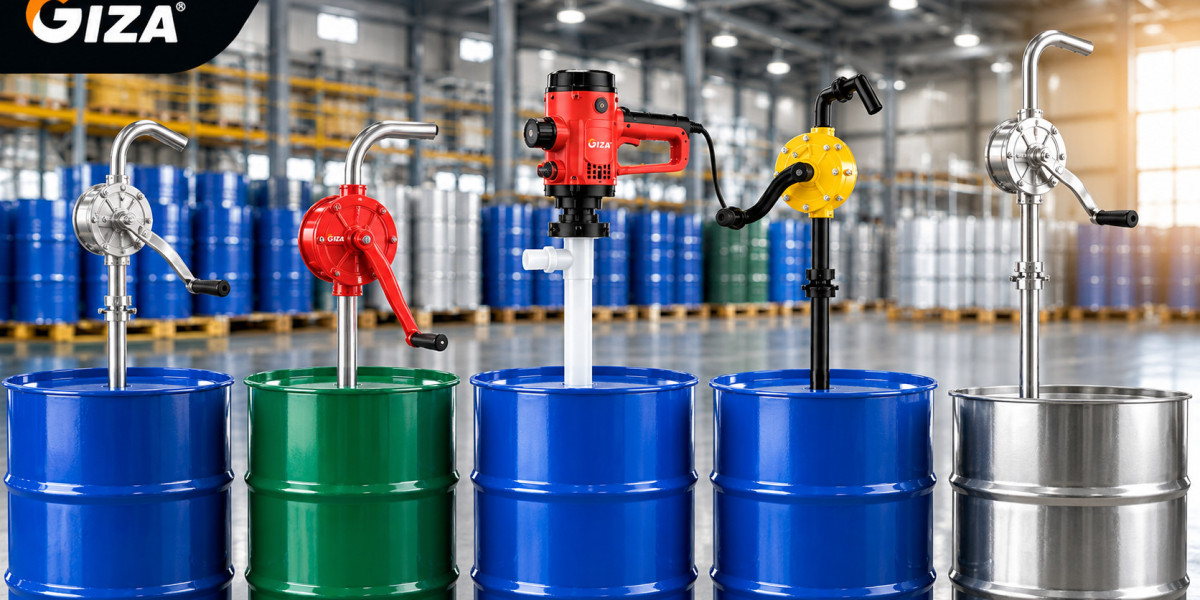

Industrial facilities handle various liquids, including lubricants, solvents, chemicals and cleaning solutions. Each liquid has different physical and chemical properties that influence the performance of pumping equipment.
An Electric Drum Pump provides a practical solution for transferring liquids from drums into storage tanks, processing vessels and smaller containers. However, a single pump may not suit every industrial fluid.
Understanding liquid characteristics and operating requirements helps businesses select suitable equipment, reduce maintenance expenses and improve material handling efficiency.
Why Industrial Fluid Properties Matter in Pump Selection
Industrial liquids differ in viscosity, density, temperature and chemical composition. These differences influence how easily a liquid flows through pumping equipment.
For example, water-based solutions generally flow more easily than thick lubricants. Similarly, corrosive chemicals require compatible construction materials to prevent component deterioration.
Experienced Electric Drum Pump Manufacturers consider these factors when designing equipment for different industrial applications. Selecting a pump without evaluating fluid properties can result in poor performance, premature wear and frequent maintenance requirements.
Selecting Drum Pumps for Different Industrial Liquids
1. Oils and Lubricants
Automotive workshops, engineering facilities and lubricant manufacturing plants regularly transfer oils from large storage drums. These liquids have varying viscosity levels depending on their composition and operating temperature. Industrial buyers should evaluate motor capacity, pumping mechanism and permitted viscosity before selecting equipment.
A suitable pumping system helps operators dispense lubricants while reducing unnecessary manual handling and material wastage.
2. Industrial Chemicals
Chemical manufacturing facilities require dependable equipment for transferring acids, alkaline solutions and other liquid compounds. Professional Electric Drum Pump Suppliers can assist procurement teams in evaluating equipment based on chemical compatibility and application requirements.
Buyers should check the resistance of pump tubes, seals, hoses and other wetted components. They should also review chemical safety data sheets before finalising their equipment selection.
3. Solvents and Flammable Liquids
Solvents are widely used in paint production, printing, surface treatment and chemical processing. Transferring flammable liquids requires additional safety considerations. Standard electrical equipment may not be suitable for hazardous environments.
Businesses must verify equipment certification, grounding requirements and operating conditions. They should only use pumping systems specifically approved for the intended liquid and hazardous area classification.
4. Cleaning Solutions and Detergents
Industrial cleaning facilities and detergent manufacturers frequently handle liquid cleaning agents, surfactants and water-based formulations. Established Electric Drum Pump Dealers can help businesses identify equipment suitable for these applications.
Buyers should consider the liquid's concentration, foaming characteristics and chemical composition. Proper equipment selection and cleaning procedures can help maintain consistent transfer performance and prevent cross-contamination.
Important Technical Factors to Evaluate Before Purchasing
Industrial buyers should consider several technical parameters before investing in pumping equipment.
Fluid Viscosity
Viscosity determines a liquid's resistance to flow. Highly viscous liquids may require specialised pumping mechanisms and suitable motor capacity.
Pump Construction Material
Stainless steel, polypropylene and PVDF are common material options in industrial pumping equipment. Their suitability depends on the liquid composition, concentration and operating temperature.
Flow Rate
The required flow rate depends on container capacity, production demand and available transfer time. When contacting Electric Drum Pump Wholesalers, procurement teams should communicate these requirements to avoid purchasing unsuitable equipment.
Operating Temperature
Temperature changes can influence fluid viscosity and component durability. Always verify the manufacturer's recommended operating temperature limits.
Motor Duty Cycle
Some pumping systems support intermittent operations, while others may accommodate longer operating periods. Selecting an appropriate duty cycle helps prevent motor overheating and premature equipment failure.
Common Mistakes to Avoid During Pump Selection
Incorrect equipment selection can increase operational expenses and interrupt production activities.
Industrial buyers should avoid the following mistakes:
Selecting equipment solely based on purchase price.
Ignoring chemical compatibility requirements.
Overlooking maximum permitted liquid viscosity.
Choosing unsuitable pump tube lengths.
Ignoring motor protection and safety requirements.
Purchasing equipment without reviewing technical specifications.
A careful technical assessment helps businesses make informed purchasing decisions and avoid unnecessary equipment replacement.
Choose Giza for Industrial Fluid Transfer Solutions
Giza, by Swastik Enterprise, offers industrial pumping solutions for various material handling applications. As one of the Electric Drum Pump Manufacturers in India, Giza supports industrial liquid transfer requirements across chemical processing, automotive workshops, manufacturing facilities and lubricant handling operations.
Businesses can discuss their fluid characteristics, operating conditions and production requirements with the company before selecting suitable pumping equipment.
Conclusion
Selecting the right drum pump requires a clear understanding of industrial fluid properties and application requirements. Factors such as viscosity, chemical compatibility, temperature and flow rate directly influence equipment suitability.
By evaluating technical specifications and following recommended operating procedures, businesses can improve liquid transfer efficiency, minimise maintenance expenses and support reliable industrial operations.
Frequently Asked Questions (FAQs)
1. What liquids can electric drum pumps transfer?
Suitable models can transfer oils, lubricants, chemicals, detergents and compatible industrial liquids.
2. Does liquid viscosity affect pump performance?
Yes. Higher viscosity can influence flow rate, motor load and pumping efficiency.
3. Which pump material is suitable for corrosive chemicals?
Polypropylene, PVDF and certain stainless steel grades may be suitable, depending on chemical compatibility.
4. Can one drum pump handle different industrial liquids?
Yes, provided the equipment is compatible with each liquid and operators follow appropriate cleaning procedures.
5. What should industrial buyers check before purchasing a drum pump?
Buyers should evaluate viscosity, flow rate, chemical compatibility, motor capacity and operating conditions.





