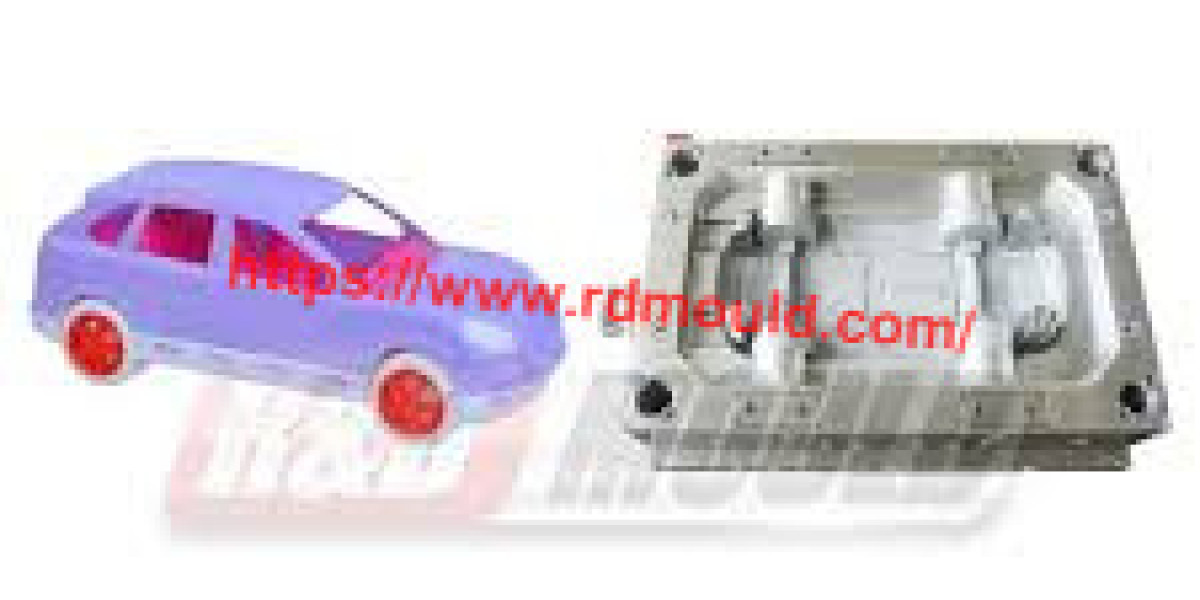

At a product sample table, the first things I tend to notice are the edges, the weight in the hand, and the way a surface catches the light. A baby-related plastic item may have a soft-looking contour, a narrow rim, or a curved section that makes its intended use apparent, but its appearance alone does not explain the material behind it. When discussing Baby use Mold, material requirements need to be separated from the mould itself. The finished article, the tooling, and their respective material choices are distinct considerations, and treating them as interchangeable can leave important questions unanswered during product development.
The resin selected for a finished plastic component affects its physical characteristics, including rigidity, flexibility, surface appearance, and behavior under the conditions for which it is intended. Buyers should identify the actual resin grade rather than relying on a broad description such as plastic or food-grade material. Those expressions alone do not provide a complete material specification. If the product is intended for repeated handling, contact with moisture, cleaning, or exposure to temperature changes, these conditions should be documented before material selection is finalized. The specification needs to describe the intended environment, not simply the appearance of a sample.
Durability is also connected with the geometry of the finished component. A thin section, a curved corner, a raised edge, or a joining area may behave differently from a broad, solid section when the object is handled. During a sample inspection, I usually turn the piece sideways and look at the transition between its thicker and thinner areas. That small change in viewing angle reveals details that a front-facing photograph may conceal. Buyers can mark these locations on their drawings and ask whether the proposed material and construction are appropriate for the intended use, without assuming that a particular resin will perform identically in every design.
Material discussions for tooling should remain separate from specifications for the molded item. A plastic injection mould or blow mould is manufacturing equipment, while the resin used to produce the finished component belongs to a separate specification. RuiDing manufactures plastic injection moulds and blow moulds, and its customized service scope includes product design, prototyping, and mould delivery. When a buyer prepares a development brief, it helps to state whether the material requirement concerns the finished product, the tooling, or a prototype so that the information is recorded under the correct part of the project.
Surface characteristics are worth describing in practical language. Some product areas are visible during ordinary use, while others sit beneath an edge, inside a recess, or along a connection. A reference sample can show the intended texture, gloss, contour, and color, although it cannot independently establish the resin composition. Buyers should record the desired appearance alongside the material designation and identify any areas where the surface is expected to remain consistent with the reference. If the sample has been altered, painted, coated, or otherwise finished, that distinction should also be documented rather than mistaken for the underlying plastic.
Wear-related expectations need a defined context. A product that remains on a shelf has a different usage pattern from one repeatedly handled, washed, assembled, or carried. The purchasing brief can describe the anticipated routine and the conditions under which the finished item will be used. It should also identify any specific material documentation or testing requirements applicable to the intended market. Without a defined resin, documented conditions, and an agreed evaluation method, statements about service life remain assumptions. A sample may look intact during a quick inspection while its long-term behavior has not yet been established.
Prototype review provides a place to compare the proposed shape with the material expectations recorded in the specification. Buyers can inspect the overall construction, examine edges and corners, and note any differences between the drawing and the physical sample. If the design changes during development, the material description should be checked again rather than carried forward automatically. Customized development can involve design, prototype preparation, and tooling delivery, so the material record should remain associated with the correct revision. Keeping reference photographs and written notes together helps identify which sample was reviewed and what observations were made.
When considering Baby use Mold, I tend to pay attention to the surface near a rounded corner, especially where the light changes from a flat area to a curved edge. The material description, intended-use notes, and reference sample should remain together during review. A product drawing associated with https://www.rdmould.com can sit beside the written specification, with the resin designation and inspection notes kept on the same worktable. A small pencil mark beside the curve is often still visible after the sample has been put away.