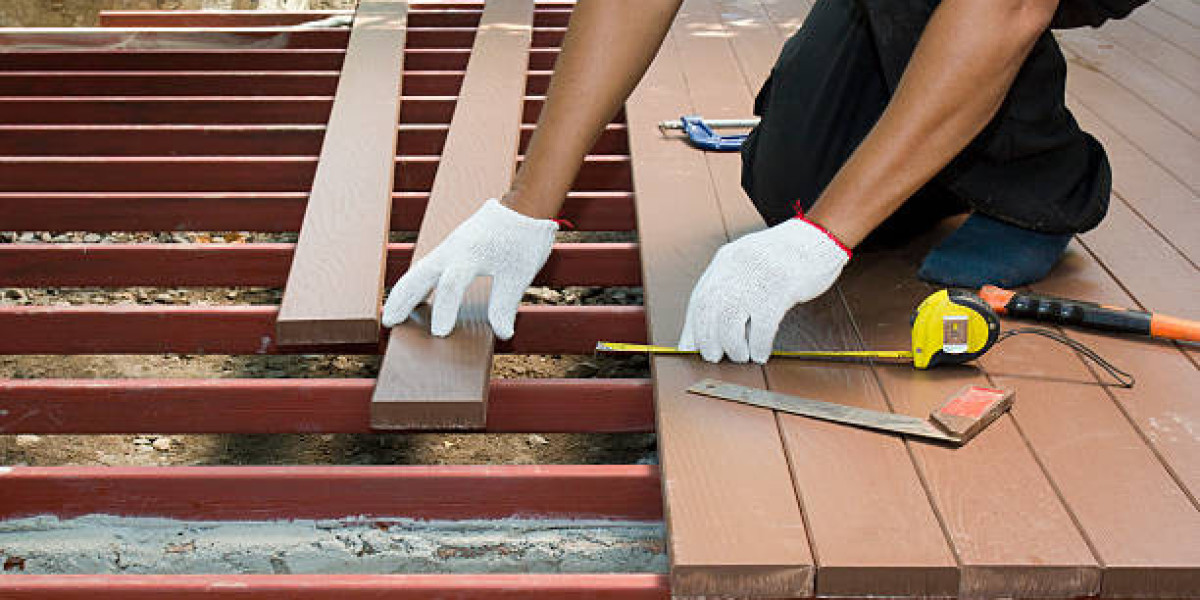

Salt air and summer storms can shorten the life of an outdoor deck when the material, fasteners, and drainage plan do not match coastal conditions. A conversation with Victory Pro Deck Builders or another local deck professional should focus on moisture, salt exposure, heat, wind-driven rain, and long periods of sun. Homeowners may like the look of natural wood, while composite and PVC boards can reduce some upkeep, but every material has limits. For anyone planning deck installation in fort lauderdale, fl, the best choice starts with the site and the way the deck will be used not with color alone.
Key Takeaways
Salt air can cause corrosion in ordinary screws, brackets, and connectors.
Summer storms make drainage, flashing, and strong framing especially important.
Wood, composite, and PVC decking each have different care needs and tradeoffs.
A good plan matches the material to shade, sun, foot traffic, and moisture.
The short answer is that coastal decks need more than attractive boards. Their support frame, fasteners, spacing, and surface finish must work together. Even a high-quality board can fail early if water remains trapped around the joists or if the hardware is not suited to a damp, salty setting.
Why Coastal Conditions Change the Material Decision
During deck installation, material selection should account for environmental conditions, including exposure to airborne salt. Salt carried by coastal winds can settle on deck boards, fasteners, and metal hardware. When moisture combines with this residue, it can accelerate corrosion and affect the deck's long-term durability. Homes near open water may experience greater exposure, but inland properties can also be affected when strong winds carry salt spray beyond the shoreline. Choosing suitable materials and corrosion-resistant hardware helps protect the deck from these conditions.
Heat and sunlight create another challenge. Deck boards expand when warm and contract when temperatures fall. Direct sun can also fade some finishes and make dark surfaces hot underfoot. A shaded deck may face less fading but can stay damp longer after rain, which increases the need for airflow and good drainage.
Summer storms add fast, heavy rain and strong wind. Water should move away from the house instead of collecting beside the ledger, posts, or stairs. Proper flashing helps keep water out of connection points, while well-spaced boards allow the surface to dry after a storm.
Comparing Materials for Deck Installation in Fort Lauderdale, FL
Pressure-treated wood is often chosen because it is widely available and easy to cut on site. It still needs regular cleaning, sealing, and inspection. Cuts and drilled holes should receive proper treatment, and the frame should not sit where water can collect. Wood can also show weathering, checking, and color changes over time.
Cedar and other naturally durable woods offer a different look, but they are not maintenance-free. Their appearance depends on cleaning and finish care, and their cost may be higher. Any wood deck needs fasteners that will not stain the boards or break down quickly in a damp environment.
Composite decking blends wood fibers with plastic. It usually needs less staining than wood, but it can still collect dirt, show scratches, and become warm in direct sunlight. Boards from different brands have different rules for spacing, cutting, support, and cleaning, so the installation instructions matter.
During deck installation in Fort Lauderdale, FL, PVC and capped polymer decking are worth considering because they contain little or no wood fiber and resist many moisture-related problems. However, these materials can expand more under heat and may involve a higher upfront investment. Homeowners should compare their color, texture, surface temperature, and expansion requirements based on the property's exposure to South Florida's climate before making a final material selection.
Material Choices in Brief
Wood offers a natural look but needs the most regular finish care.
Composite reduces some upkeep but still needs correct spacing and cleaning.
PVC handles moisture well but requires close attention to heat movement.
No material replaces sound framing, drainage, and suitable hardware.
A common question is whether composite is always the best answer near the coast. It is not. A shaded outdoor area with a strong drainage plan may suit wood, while a busy deck exposed to frequent rain may benefit from a low-maintenance board. The right choice depends on the full assembly, not just the surface material.
How Installation Handles Salt Air and Summer Storms
Fasteners are among the most important parts of a coastal deck because they connect every board and frame member. Stainless steel or properly rated coated hardware can help resist corrosion, but the correct grade depends on the product, location, and level of exposure. Mixing incompatible metals can also create problems, so connectors and screws should be selected as a complete system.
The support frame deserves the same care as the visible decking. Joists need space to dry, and joist tape can help protect the tops of framing members from repeated wetting. Posts should not trap water at their bases. Where the deck meets the house, careful ledger attachment and flashing help reduce the chance of hidden moisture damage.
For Fort Lauderdale decks, board spacing should account for the material and local heat. Gaps that are too narrow can trap dirt and water, while gaps that are too wide may feel uncomfortable and allow small objects to fall through. The installer should follow the board maker’s instructions rather than use one spacing rule for every product.
Stairs and railings also need attention before work begins. Their posts, connections, and drainage points receive heavy use and may be exposed to more splash water than the main deck. A storm-conscious plan also checks how the deck relates to nearby doors, roof runoff, landscaping, and outdoor equipment.
Installation Details to Confirm
Hardware is rated for the deck’s moisture and salt exposure.
Flashing protects the house connection and directs water away.
Framing has room to dry and does not rest in standing water.
Board spacing follows the product maker’s instructions.
Stairs and railings have secure, well-drained connections.
What to Consider Before Choosing a Material
The first decision factor is exposure. A deck under a roof may stay cooler and drier than one beside a pool or facing open sky. Nearby trees can add shade, leaves, and dampness, while a wide open yard may bring more sun and wind. A site review should consider these details before anyone compares samples.
Use is just as important. A family deck with dining furniture, pets, and frequent foot traffic may need a surface that hides dirt and handles wear. A small balcony used for quiet seating may place more value on color, texture, and low maintenance. Homeowners should also think about whether they will stain wood, wash composite, or follow special care instructions for PVC.
Budget should include more than the price of the boards. Framing, fasteners, stairs, railings, demolition, drainage work, and future maintenance can affect the total cost. A lower-priced material may require more finishing or repairs, while a higher-priced product may need special clips or a different frame layout.
The right deck installation in fort lauderdale, fl plan should also address color and heat. Dark boards can absorb more sunlight than lighter ones, which may matter in an uncovered area. Samples should be viewed outdoors at different times of day instead of judged only under indoor lights.
For South Florida decks, a written scope is useful because it makes hidden details visible. It should identify the decking, fasteners, framing material, flashing approach, stair layout, railing type, and cleanup plan. That information helps homeowners compare proposals fairly and spot gaps before work begins.
Care That Helps a Coastal Deck Last
Maintenance starts with simple observation. After heavy rain, homeowners should look for slow-draining areas, loose boards, rust marks, cracked sealant, and water collecting near the house. Early repairs are usually easier than fixing damage that has spread into the framing.
Wood commonly needs cleaning and a protective finish on a schedule that depends on its exposure and product instructions. Composite and PVC do not need the same finish, but they still benefit from gentle washing. Harsh tools or cleaners can damage the surface, so the board maker’s care directions should be followed.
Furniture, planters, and outdoor rugs can hold moisture against the deck. They should be moved from time to time so the surface can dry and be checked. Leaves and sand should also be cleared from gaps, stairs, and corners, especially after a storm.
Maintenance Habits That Help
Check hardware, railings, and stairs after major storms.
Keep gaps and drainage paths clear of leaves and sand.
Clean the surface with products approved for the decking.
Move rugs and planters so trapped moisture does not stay hidden.
Repair small signs of corrosion or movement before they spread.
Frequently Asked Questions
Is Composite Decking Always Better Near the Coast?
No. Composite can reduce staining and sealing work, but it may still heat up, fade, scratch, or require careful spacing. The best choice depends on sun, shade, drainage, use, and the quality of the full installation.
Can Pressure-Treated Wood Work in Fort Lauderdale?
Yes, when it is installed and maintained correctly. The frame should be protected from standing water, cut ends should be treated as directed, and corrosion-resistant hardware should be used. Regular inspection and finish care remain important.
What Type of Hardware Is Best for Salt Air?
Hardware should be rated for the level of coastal exposure and match the decking system. Stainless steel or suitable coated hardware may be appropriate, but the exact choice should follow product instructions and local site conditions.
How Does Storm Planning Affect a Deck?
Storm planning affects the frame, house connection, drainage, stairs, railings, and nearby runoff. It does not mean that every deck has the same design. A qualified professional should review the structure and local requirements for the specific property.
How Often Should a Coastal Deck Be Checked?
A deck should receive a routine visual check at least as often as its care instructions recommend, with an extra look after severe weather. Attention should focus on movement, rust, cracks, loose fasteners, pooling water, and changes where the deck meets the home.
A Better Material Decision
Salt air and summer storms do not rule out any single decking material, but they do raise the standard for planning. Durable boards must be paired with suitable hardware, protected framing, clear drainage, and realistic maintenance expectations. When homeowners compare the whole system rather than the surface alone, they are more likely to choose a deck that fits the home, the climate, and the way the space will be used.
Plan the Next Step
Before scheduling work, homeowners should inspect the proposed location, note nearby trees and drainage paths, and decide how much upkeep they can manage. A written plan should name the decking, fasteners, framing treatment, flashing, and storm-related details. Comparing samples in direct sun can also reveal heat and color differences. A qualified local contractor can then review the site, explain tradeoffs, and provide a clear scope so the finished deck fits the home and coastal setting without costly surprises later on.