
A coating process does not begin with paint being spread across a surface. In physical vapor deposition, material is transferred through a vapor phase and forms a thin film on a workpiece. That is the principle behind PVD vacuum coating equipment, a category of machinery used to carry out deposition under vacuum conditions. The word "vacuum" describes an important part of the working environment, while PVD refers to the physical method by which coating material reaches the surface. The distinction is useful when discussing equipment functions, because the system is doing something different from applying a liquid finish with a brush, spray gun, or roller.
Inside a physical vapor deposition process, the coating material is brought into a state from which it can travel toward the workpiece. Under vacuum conditions, particles can move through the processing space and form a deposited layer on the surface. The exact arrangement depends on the deposition technology and the machine configuration. It would be inaccurate to assume that every system uses the same source, fixture design, or operating sequence. A technical discussion should identify the intended coating method first, then explain how the equipment supports that method. This is where the distinction between multi-arc ion technology and magnetron sputtering becomes relevant.
Multi-arc ion coating uses an arc-based source to generate material for deposition. The source produces material in an ionized state, which can then take part in forming a coating on the workpiece. The process is associated with energetic particles and an ion-based deposition environment. Its operation depends on the arrangement of the source and the conditions established within the processing chamber. Those details are matters for the machine's technical documentation, rather than points that can be inferred from the name alone. When discussing a proposed system, it is worth clarifying how the arc source is arranged, how workpieces are positioned, and which operating controls are included in the supplied configuration.
Magnetron sputtering works through a different physical mechanism. In this method, energetic ions strike a target material, causing atoms from that target to be released. Those atoms travel toward the workpiece and accumulate as a thin film. The magnetron arrangement helps sustain the sputtering process by influencing the movement of charged particles near the target. Although both methods belong to the wider field of physical vapor deposition, their source arrangements and operating principles are not interchangeable. A buyer assessing a coating application should therefore ask which method is intended for the workpiece and what process conditions the proposed equipment is designed to support.
At GOLD BLINGKING, the stated equipment specialization covers both multi-arc ion and magnetron sputtering coating systems. These are two distinct technologies, so the presence of both within a company's equipment scope should not be read as a claim that every machine combines them in one chamber or runs them in the same cycle. The actual configuration needs to be confirmed for each project. This is particularly relevant when a production requirement refers broadly to vacuum coating without identifying the deposition method. A clear technical proposal should name the process, describe the main functional assemblies, and explain how the workpiece is handled during treatment.
Control of the working environment is central to vacuum deposition. The chamber provides an enclosed space in which the process takes place, while the vacuum system establishes the reduced-pressure conditions required by the selected method. Other parts of the equipment support the deposition source, workpiece positioning, power supply, and process control. These are general functional roles found in vacuum coating systems; the exact components and their arrangement vary with the machine. During a technical review, I would look for a process description that connects each major assembly to its purpose. A list of component names without an explanation of their relationship can leave important operating questions unanswered.
For automotive, hardware, and electronics applications, the intended workpiece has a direct bearing on the process discussion. Its shape, surface condition, and placement within the chamber can affect how a coating operation is arranged. The equipment supplier should be given enough information about the actual parts and production task to discuss a suitable configuration. The company also states that it provides turnkey projects and lifelong technical guidance, which are service elements that can be considered alongside the technical proposal. They do not replace process details: the deposition method, machine functions, operating requirements, and project scope still need to be described clearly in the documentation.
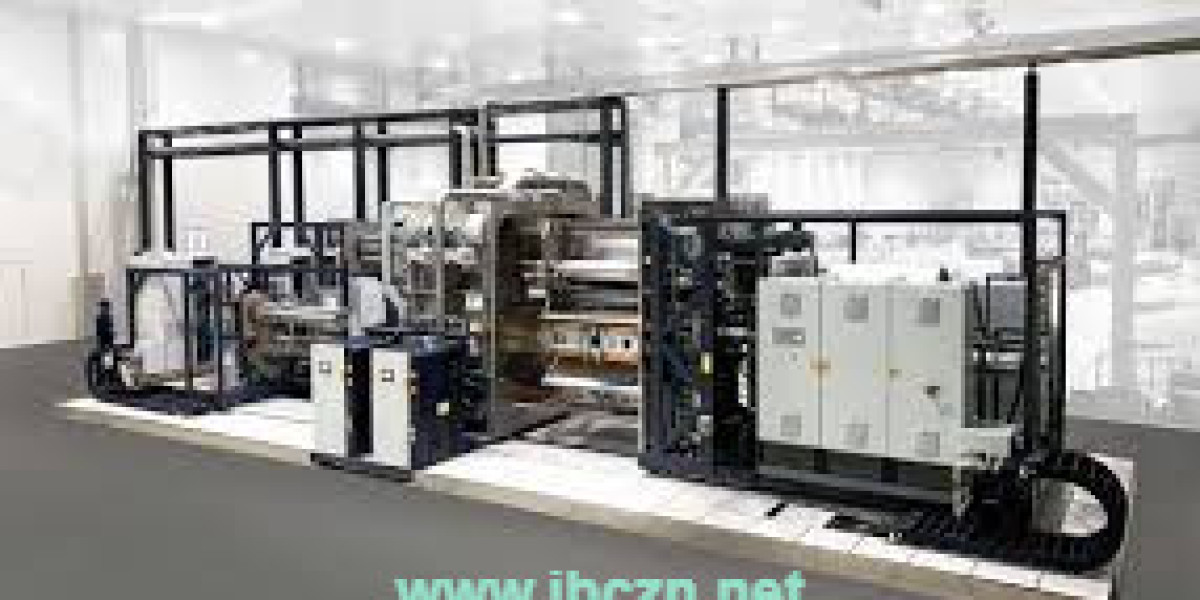
When a machine is operating, the distinction between the two deposition methods is not necessarily visible from the outside. The chamber door may be closed, the control panel may show the current stage, and the workpiece itself remains out of sight until the cycle is complete. A technical drawing or process explanation can make the internal arrangement easier to understand, while the company information at https://www.jbczn.net identifies the equipment supplier and its stated field of specialization. The PVD vacuum coating equipment stands beside the production area, with the chamber closed and the status indicators lit across the control panel.