
Shipping packaging does more than move products from one place to another. Custom printed mailer boxes help businesses protect orders while presenting their brand with every delivery. They combine practical box construction with printed designs that customers can recognize.
For e-commerce stores, subscription services, and growing retailers, custom printed mailer boxes offer a useful balance. They provide space for branding, product protection, and a memorable unboxing experience. Businesses can customize their dimensions, materials, printing, and internal layouts.
What Are Custom Mailer Boxes?
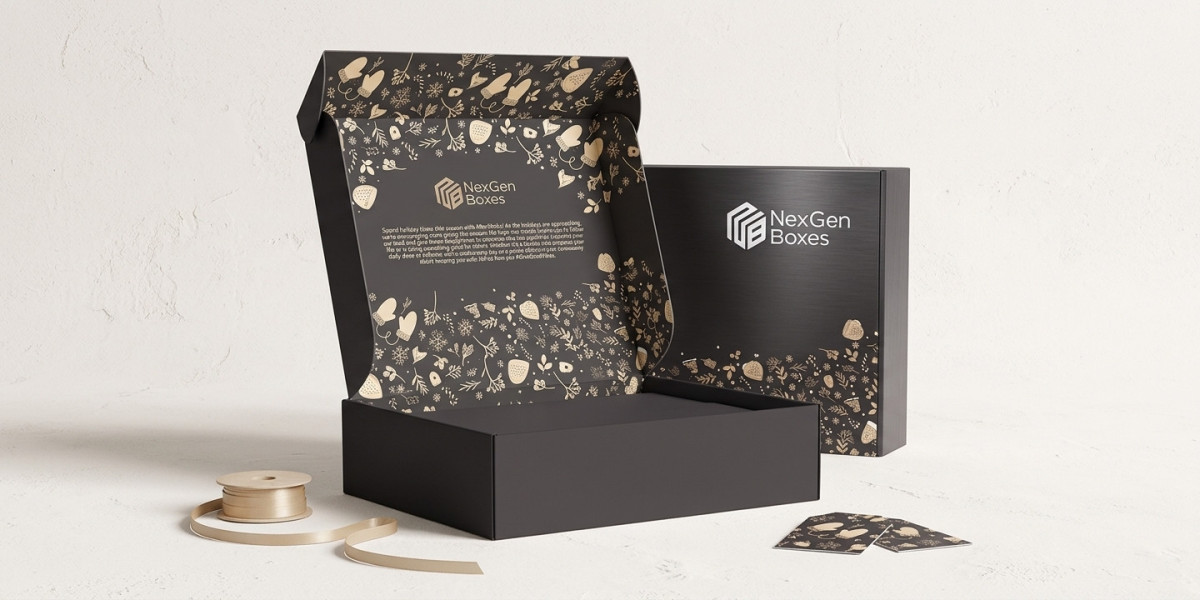
Mailer boxes are specially designed cartons used to package and ship products. Many feature a hinged lid, folding side panels, and a tuck-in front closure. This construction helps create a secure package without requiring the same taping approach used with many regular shipping cartons.
Custom printing adds brand elements to the exterior, interior, or both surfaces. Businesses can include logos, colors, product messages, instructions, and promotional artwork. This makes the package useful for shipping and brand presentation.
How Are Mailer Boxes Different From Regular Shipping Boxes?
Traditional shipping cartons often use separate top and bottom flaps. They commonly require packing tape to close and secure the package. Mailer boxes usually have an integrated folding structure and a built-in closure.
Their main differences include:
Construction: Mailer boxes often use a hinged lid and interlocking flaps.
Presentation: Printed interiors and exteriors support branded unboxing.
Assembly: Many styles fold into shape without complicated setup.
Storage: Flat-packed designs can save storage space before assembly.
Applications: They suit retail orders, subscription kits, and product deliveries.
Benefits of Custom Printed Mailer Packaging for Businesses
Packaging creates a physical connection between online businesses and their customers. A well-designed mailer can make an order easier to identify and more enjoyable to open. It also helps businesses maintain a consistent visual identity.
Build Brand Recognition
A logo, brand color, and clear typography can make packaging recognizable. Consistent artwork across different products also helps customers connect each delivery with the same business.
For example, a clothing retailer might use a simple branded mailer with its logo. A subscription company could print seasonal artwork inside the lid. Both approaches create a recognizable experience without requiring complicated decoration.
Support Product Protection
The corrugated board contains fluted paper between the liner sheets. This structure provides rigidity and helps resist pressure during normal handling. The suitable board grade depends on product weight, dimensions, and shipping conditions.
Businesses can also add protective features such as:
Corrugated or paperboard inserts
Dividers for multiple products
Tissue paper for surface protection
Paper cushioning for suitable items
Secure closures that limit unwanted opening
Materials, Box Styles, and Printing Options
Material selection affects strength, appearance, and cost. Most mailer boxes use corrugated boards, although the suitable grade varies by application. Businesses should discuss board options with their packaging supplier before approving production.
Understand Corrugated Board
Corrugated packaging combines liner sheets with a fluted middle layer. Different flute profiles provide different thicknesses, cushioning, and stacking characteristics.
Common considerations include:
E-flute: A relatively thin profile that supports neat printing and compact packaging.
B-flute: A thicker profile often selected when additional cushioning is needed.
C-flute: A common option for general shipping applications.
Double-wall board: Combines two fluted layers for applications requiring greater strength.
Select a Printing Method
Printing determines how artwork appears on the finished box. The best method depends on design complexity, production quantity, board surface, and budget.
Common options include:
Flexographic printing: Often suitable for corrugated packaging and larger production runs.
Digital printing: Useful for detailed artwork, shorter runs, and variable designs.
Lithographic printing: Can provide detailed graphics on a printed sheet laminated to corrugated board.
How to Choose the Right Size and Design
Correct sizing helps balance product protection, material use, and shipping efficiency. An oversized box may need extra cushioning and take up more storage space. A box that is too small may create pressure or leave insufficient room for protective inserts.
Consider These Design Factors
Product length, width, height, and weight
Fragility and surface sensitivity
Number of items inside each package
Required inserts and protective materials
Closure style and ease of opening
Shipping method and expected handling
Brand colors and printed artwork
This trend does not mean every product should use the smallest possible box. The goal is a suitable fit that protects the contents without unnecessary packaging.
Personalized Mailer Boxes for Different Industries
Mailer boxes serve businesses across several product categories. Their structure and interior layout can change to suit different products and customer expectations.
Fashion and apparel: Clothing brands can use mailers for folded garments, accessories, and seasonal collections. Printed interiors and tissue paper can create a coordinated presentation.
Beauty and skincare: Brands can package skincare kits, cosmetics, and personal care products. Inserts help organize bottles, jars, and smaller accessories.
Subscription services: Monthly boxes can hold selected products, printed guides, and promotional materials. Consistent exterior artwork helps customers recognize recurring deliveries.
Electronics and accessories: Suitable mailer designs can hold cables, small devices, and accessories. These products may need fitted inserts and additional cushioning.
Food businesses: Packaged food products may require special material and handling considerations.
Custom kraft boxes wholesale can also interest bakeries and food brands seeking coordinated paper-based packaging. However, food-contact materials must meet the requirements for their intended use.
Ordering Custom Mailer Boxes: What to Check
A clear packaging brief helps suppliers understand the project. Before requesting a quote, prepare the product measurements, estimated quantity, artwork requirements, and intended use.
Ask your supplier about:
Available corrugated grades and flute profiles.
Custom dimensions and structural options.
Exterior and interior printing capabilities.
Inserts, dividers, and protective materials.
Sample development and artwork approval.
Production quantities and ordering requirements.
For businesses planning branded shipping packaging, NexGen Boxes' custom mailer boxes provide a starting point for exploring suitable packaging options.
Conclusion
Custom printed mailer boxes combine product protection, brand communication, and a more organized delivery experience. Their materials, dimensions, printing methods, and inserts can be selected around different business needs. The right design balances appearance with strength, convenience, and shipping requirements.
Businesses should begin with product measurements and packaging conditions. They should then select suitable materials, review artwork, and test a sample before production. This approach helps create packaging that works for customers and the business.