
A plasma cutting machine is an important part of production in fabrication shops, engineering units, and metal manufacturing facilities. When a component wears out or gets damaged, the machine may not deliver the required cutting performance. In some cases, production can stop until the correct replacement is available.
This makes spare part planning an important responsibility for maintenance and purchasing teams.
However, ordering a replacement is not always as simple as matching the appearance of an old component. Different plasma systems and torch configurations can require different parts. Even components that look similar may have different specifications or applications.
Businesses looking for Hypertherm Spare Parts should therefore consider part identification, equipment compatibility, product details, and supplier availability before making a purchase.
This guide covers the main types of plasma system spare parts, common signs of wear, purchasing checks and practical maintenance tips for industrial users.
What Are Hypertherm Spare Parts?
Hypertherm spare parts are replacement components designed for use in compatible Hypertherm plasma cutting equipment. They help maintain the machine, torch assembly and related systems during regular production.
Some parts experience wear during normal operation, while others may need replacement because of damage, electrical faults or maintenance requirements.
The required components depend on the equipment model and the problem being addressed. A replacement may be related to the torch, power supply, gas delivery or another machine assembly.
It is important to identify the actual requirement before ordering. Not every spare part is a consumable, and not every replacement component follows the same inspection or replacement schedule.
Major Categories of Plasma Cutting Spare Parts
Understanding the different part categories helps purchasing teams prepare more accurate enquiries.
1. Torch Consumable Components
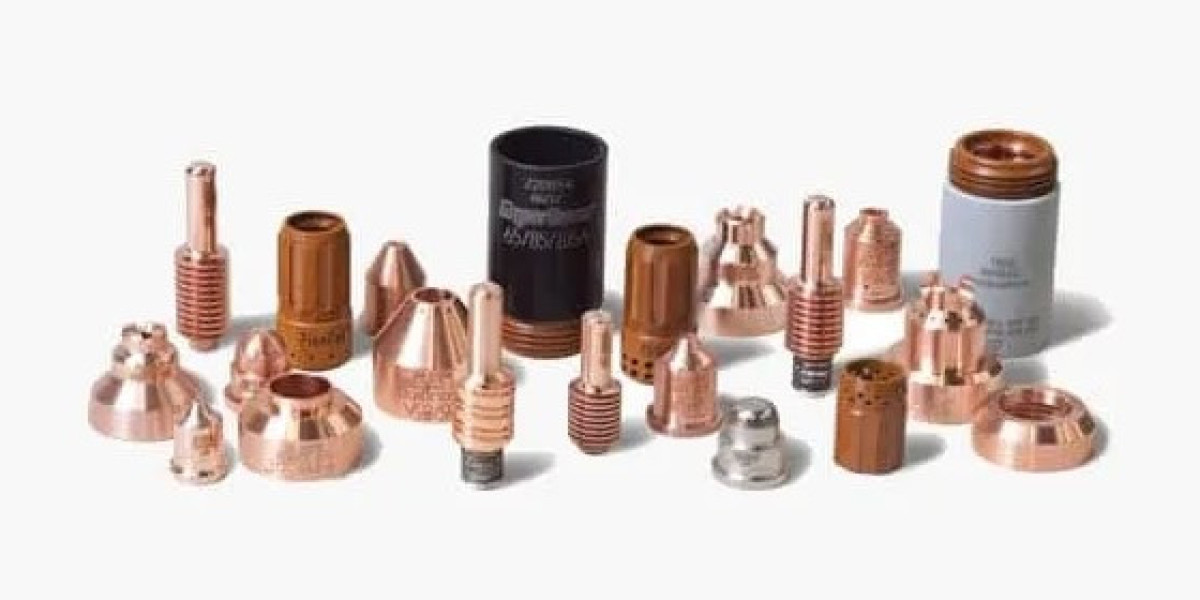
Torch consumables are parts that gradually wear during plasma cutting. Common examples include:
Electrodes
Nozzles
Swirl rings
Retaining caps
Shields
Deflectors, where applicable
These components help establish, control and protect the plasma arc. Their selection depends on the torch model, cutting process and operating conditions.
2. Torch Assembly Parts
A plasma torch contains components that hold and connect the torch assembly. Depending on the system, replacement requirements may involve torch bodies, handles, connections or other assembly-specific items.
Damage to these components may affect torch operation or make proper installation difficult. Confirm the exact torch configuration before ordering.
3. Cables and Connections
Cables and connections help link different parts of the plasma cutting system. Depending on the equipment, these may include torch leads, work cables, control connections and other electrical or communication components.
Damaged cables, loose connections or unsuitable replacement components can affect machine operation. Electrical parts should be checked by qualified maintenance personnel.
4. Power Supply and Machine Components
The plasma power supply contains components that support the machine's electrical operation. Some replacement requirements may relate to internal assemblies, cooling arrangements or other equipment-specific components.
These are not interchangeable across all systems. Always use the equipment documentation and correct part identification when sourcing them.
5. Gas and Cooling System Parts
Plasma cutting systems depend on the correct gas supply and, in some models, specific cooling arrangements. Related replacement requirements may involve connections, hoses, fittings or other system components.
The correct part depends on the machine design. Check the equipment specifications before ordering.
Signs That Your Plasma Cutting Machine May Need Spare Parts
A change in cutting performance can indicate that a component needs inspection. However, the same symptom may have several possible causes.
Watch for these common signs:
| Warning sign | Possible area to inspect |
|---|---|
| Poor edge quality | Torch consumables, cutting settings or torch alignment |
| Difficulty starting the arc | Electrode condition, connections or gas supply |
| Irregular cutting performance | Torch components, gas flow or operating parameters |
| Cable damage | Cable assembly and electrical connections |
| Unusual machine behaviour | Equipment-specific electrical or mechanical components |
| Frequent production interruptions | Wear parts, maintenance planning and spare stock |
Do not replace a component based only on a symptom. Inspect the system and identify the actual cause before purchasing a replacement.
Five Important Checks Before Ordering Hypertherm Spare Parts
Selecting the correct component is essential for reliable equipment maintenance. These checks can help reduce ordering mistakes.
1. Confirm the Exact Machine Model
Start with the model information on the plasma power supply or equipment documentation. Different models can use different components.
Do not rely only on a general product name. Record the full model details wherever possible.
2. Identify the Torch Model
The torch model and configuration are important when ordering torch-related parts. Two systems may use different torches, even when they belong to a similar product family.
Check the torch label, manual or existing part information.
3. Find the Correct Part Number
A part number is one of the most useful details for identifying a replacement. Compare it with the equipment manual, parts list or approved product documentation.
If the old number is unclear, share the equipment details with the supplier rather than guessing.
4. Explain the Application
Tell the supplier how the machine is being used. Relevant details may include:
Hand or mechanised cutting
Material being cut
Material thickness
Cutting process
Required component and quantity
These details can help clarify whether the requested part matches the intended application.
5. Confirm Product Details and Availability
Before placing an order, check the product description, part number, compatibility and stock status. Also confirm the expected dispatch and delivery details.
For production facilities, planning commonly required replacement parts can help reduce the impact of unexpected breakdowns.
Genuine Parts, Compatibility and Purchasing Decisions
When purchasing replacement components, businesses should understand exactly what the supplier is offering.
If your requirement is for genuine Hypertherm parts, communicate that clearly. Ask for confirmation of product identity and check the relevant part number and documentation.
Avoid assuming that a component is genuine or suitable simply because it looks similar to the original. Product appearance alone does not establish authenticity or compatibility.
For Hypertherm Plasma Spare Parts, buyers should pay attention to the equipment model, torch configuration and intended application. These details are particularly important when sourcing parts for machines used in regular industrial production.
A well-informed purchasing decision considers more than the initial price. Product suitability, availability, clear identification and supply requirements all matter.
How Spare Part Planning Helps Reduce Production Downtime
Waiting until a machine stops working before arranging replacement parts can create unnecessary pressure on production teams.
A basic spare part planning process can help businesses manage this risk.
Maintain a Record of Important Parts
Keep a list of frequently required components, their part numbers, equipment models and replacement history. This makes future enquiries easier.
Monitor Frequently Used Components
Inspect wear parts at suitable intervals. Record recurring problems and identify components that need regular attention.
Keep Critical Replacements in Stock
The required stock level depends on machine usage, supplier lead times and production requirements. Focus on components that could interrupt work if they become unavailable.
Review Maintenance History
Maintenance records can help identify recurring issues. If the same component fails repeatedly, investigate the underlying cause rather than continuing to replace it without further checks.
Coordinate Maintenance and Purchasing Teams
Maintenance staff can provide technical details, while purchasing teams can manage quotations, stock and delivery. Sharing accurate information helps both teams avoid ordering mistakes.
Where Can Industrial Buyers Source Hypertherm Spare Parts in India?
Industrial buyers should look for a supplier that can provide clear product information and help identify the required replacement components.
EGP Sales supplies plasma cutting products in India, including Hypertherm consumables and related spare parts. Buyers can share their machine model, torch details or required part numbers when making a product enquiry.
Before confirming an order, ask about:
Product name and part number
Compatibility with your machine
Genuine product requirements
Quantity and stock availability
Pricing and delivery details
Support for repeat purchasing requirements
Providing accurate equipment information makes it easier to discuss the correct product and reduces the risk of ordering an unsuitable component.
Frequently Asked Questions
1. What are the common spare parts used in Hypertherm plasma cutting systems?
Common requirements may include torch consumables, torch assembly components, cables, connections and machine-specific replacement parts. The exact list depends on the plasma system and its configuration.
2. Are Hypertherm spare parts and consumables the same?
No. Consumables are wear components used during the cutting process, such as electrodes and nozzles. Spare parts is a broader term that can also include torch assemblies, cables and other machine components.
3. How can I identify the correct replacement part?
Check the plasma system model, torch model and part number. Refer to the equipment documentation or approved parts list before placing an order.
4. Can similar-looking plasma spare parts be used interchangeably?
Not necessarily. Components may look similar but have different specifications or compatibility requirements. Confirm the correct part number and application before installation.
5. Why should industrial businesses maintain spare part records?
Records help identify frequently used components, simplify repeat orders and support maintenance planning. They can also help reduce delays when a replacement is needed.
Final Thoughts
The correct spare parts help keep plasma cutting equipment ready for production. However, successful purchasing starts with accurate identification rather than selecting a component by appearance or price.
Industrial buyers should confirm the machine model, torch configuration, part number and application before ordering. They should also maintain records of frequently required components and plan replacements according to actual equipment needs.
With clear product information and proper maintenance planning, businesses can reduce avoidable purchasing errors and manage plasma cutting equipment more effectively.